
Fever is one of the most common health concerns, especially during the monsoon season when viral infections and mosquito-borne diseases become more prevalent. While many people assume that every fever is simply a seasonal viral infection, dengue fever is a more serious illness that requires careful monitoring and timely medical attention. Since the early symptoms of dengue and viral fever often overlap, distinguishing between the two can be challenging without proper medical evaluation. Understanding the differences between these illnesses can help you seek the right treatment at the right time and reduce the risk of complications.
Viral fever is a broad term used to describe fever caused by various viruses that affect the respiratory system, digestive system, or other parts of the body. Common viral infections include influenza, the common cold, adenovirus infections, and several other seasonal viruses. These infections usually spread through coughing, sneezing, direct contact with an infected person, or touching contaminated surfaces. In most cases, viral fever is self-limiting, meaning it improves within a few days with adequate rest, hydration, and supportive treatment.
Dengue fever, on the other hand, is caused by the dengue virus and is transmitted through the bite of an infected Aedes aegypti mosquito. Unlike viral fever, dengue does not spread from person to person through casual contact. The disease is more common during and after the rainy season when stagnant water creates ideal breeding grounds for mosquitoes. Dengue affects thousands of people every year and can become severe if not diagnosed and managed promptly.
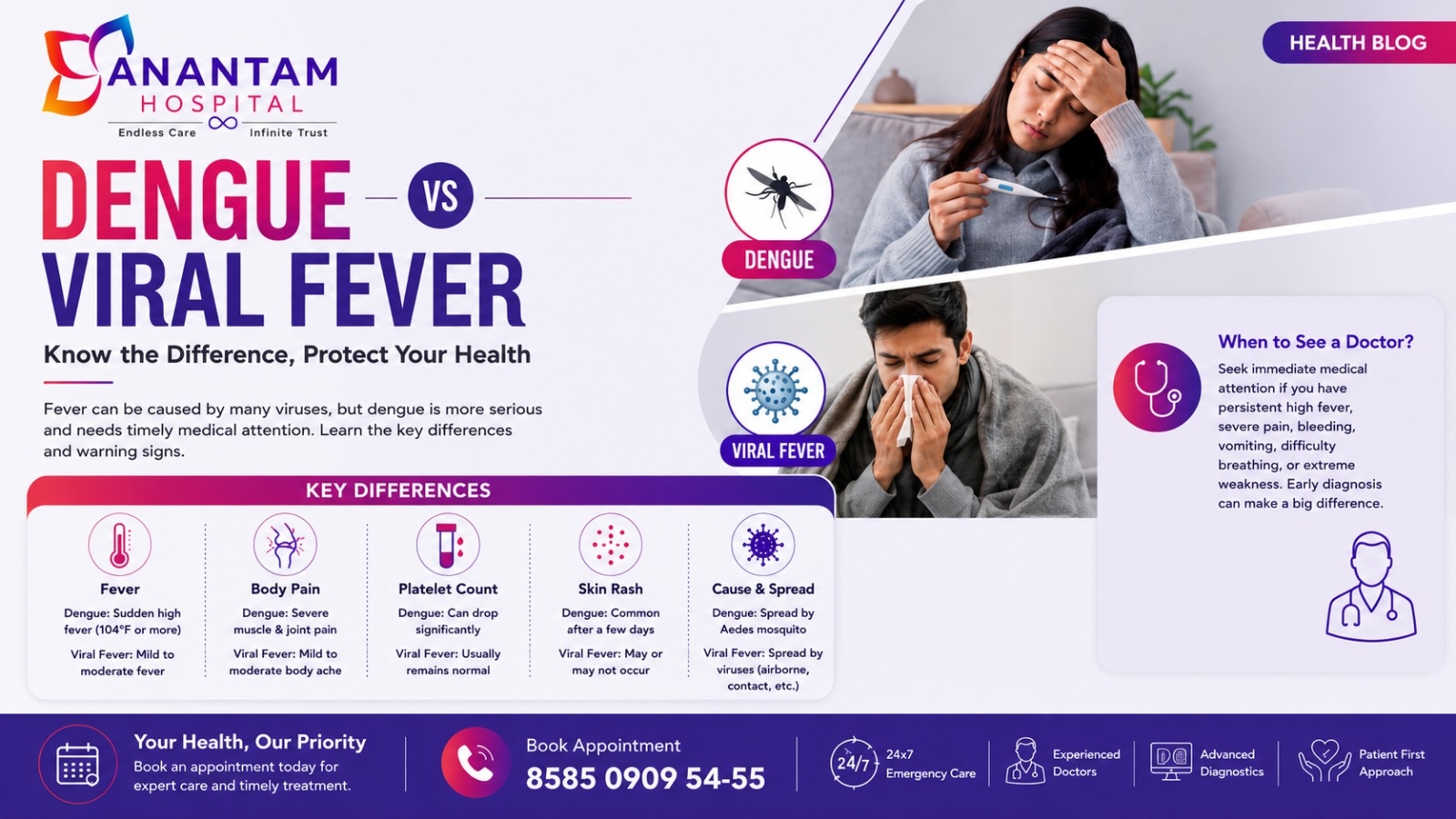
One of the biggest reasons dengue is often confused with viral fever is that both conditions usually begin with a sudden fever, body aches, headache, and fatigue. However, there are several important differences. Dengue typically causes a very high fever, often reaching 104°F or higher, accompanied by intense muscle and joint pain, severe headache, pain behind the eyes, nausea, vomiting, and skin rashes. Many patients describe the body pain associated with dengue as severe enough to affect even simple daily activities. Viral fever, while uncomfortable, generally causes milder body aches, sore throat, cough, runny nose, and nasal congestion, with symptoms gradually improving over three to seven days.
Another important distinction is the effect dengue has on the body’s blood cells. The dengue virus can reduce platelet levels and increase the risk of bleeding in severe cases. Patients may notice bleeding gums, nosebleeds, easy bruising, or tiny red spots on the skin. Viral fever usually does not cause a significant drop in platelet count or serious bleeding complications. This is why laboratory testing plays a crucial role in differentiating dengue from common viral infections.
Doctors diagnose dengue using specific blood tests such as the NS1 Antigen Test, Dengue IgM and IgG Antibody Tests, Complete Blood Count (CBC), platelet count, and hematocrit levels. These investigations help determine not only whether a person has dengue but also how severe the infection may be. Viral fever is often diagnosed based on clinical symptoms and physical examination, with additional tests recommended only if symptoms persist or another illness is suspected.
Many people become anxious when they hear that platelet counts are falling during dengue infection. While platelet monitoring is important, treatment decisions are not based solely on platelet numbers. Doctors also evaluate the patient’s hydration status, blood pressure, bleeding symptoms, overall clinical condition, and laboratory findings before deciding whether hospitalization is necessary. Regular monitoring allows healthcare providers to identify warning signs early and provide appropriate treatment before complications develop.
Treatment for viral fever mainly focuses on relieving symptoms. Patients are advised to get adequate rest, drink plenty of fluids to prevent dehydration, eat nutritious meals, and take fever-reducing medications as prescribed by their doctor. Since viral infections are caused by viruses rather than bacteria, antibiotics are generally not effective unless there is a confirmed bacterial infection alongside the viral illness.
Similarly, there is currently no specific antiviral medication available for dengue fever. Treatment is supportive and focuses on maintaining hydration, controlling fever safely, monitoring platelet levels, and identifying complications early. Patients with mild dengue may recover at home under regular medical supervision, while those showing warning signs such as severe abdominal pain, persistent vomiting, breathing difficulty, bleeding, extreme weakness, or signs of shock may require hospitalization for intravenous fluids and close observation.
Preventing dengue begins with controlling mosquito breeding and protecting yourself from mosquito bites. Emptying stagnant water from containers, flower pots, coolers, and unused tires helps reduce mosquito breeding. Wearing full-sleeved clothing, applying mosquito repellents, using window screens, and sleeping under mosquito nets can further lower the risk of infection. Viral fever prevention, on the other hand, focuses on maintaining good personal hygiene through regular handwashing, avoiding close contact with infected individuals, following proper cough etiquette, eating a balanced diet, staying physically active, and getting sufficient sleep to support the immune system.
It is important not to ignore persistent fever, particularly during the monsoon season. If you develop a high fever lasting more than two days, severe body pain, unusual weakness, bleeding, difficulty breathing, persistent vomiting, or signs of dehydration, seek immediate medical attention. Early diagnosis not only improves recovery but also helps prevent potentially life-threatening complications associated with severe dengue.
At Anantam Hospital, our experienced physicians, advanced diagnostic laboratory, and 24×7 emergency care services ensure that patients receive timely diagnosis and comprehensive treatment for both dengue and viral fever. From rapid laboratory investigations to personalized treatment plans and continuous monitoring, our multidisciplinary healthcare team is committed to providing compassionate, evidence-based care that supports faster recovery and better health outcomes.
Although dengue and viral fever may appear similar during the initial stages, they differ significantly in their cause, progression, and potential complications. While most viral fevers resolve with rest and supportive care, dengue requires careful monitoring because of its potential to affect platelet counts and cause serious health complications. Recognizing the warning signs and seeking prompt medical evaluation can make a significant difference in recovery. If you or a loved one experiences persistent fever or symptoms suggestive of dengue, consult the specialists at Anantam Hospital for accurate diagnosis, timely treatment, and comprehensive medical care.


Add a Comment