
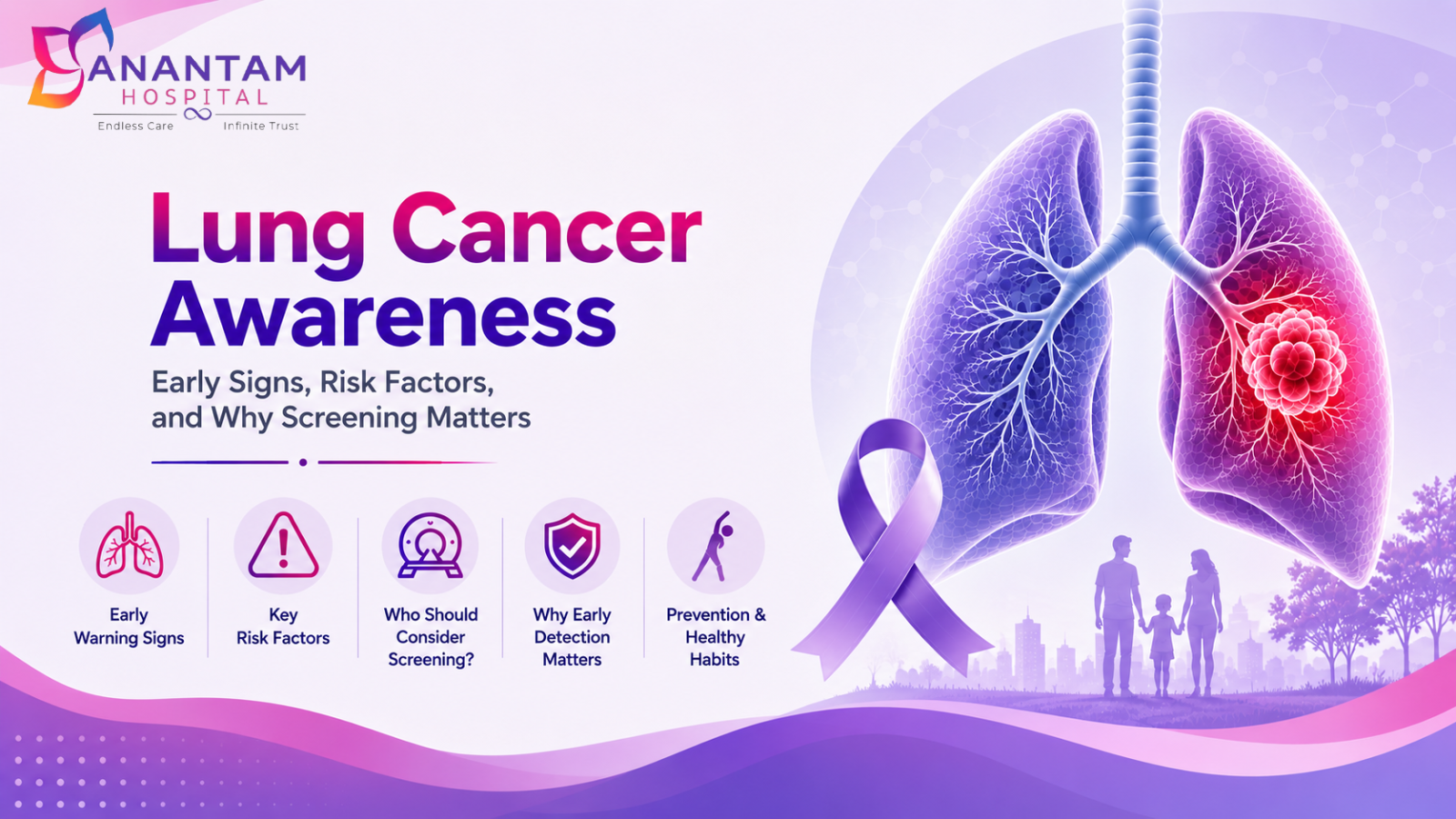
That cough you’ve had for three weeks? The one you keep blaming on allergies or “just a lingering cold”? It might be worth a second look. Most of us brush off small symptoms because we’re busy, or because we assume it’s nothing serious. But when it comes to lung cancer, catching the small stuff early can genuinely change the outcome.
The Signs People Love to Ignore
Here’s the tricky part about this disease. In its early stages, it often doesn’t feel like an emergency at all.
Watch out for these:
- A persistent cough that sticks around for weeks and doesn’t respond to usual remedies
- Breathlessness during activities that never used to wind you
- Unexplained weight loss without any change to your diet or routine
- Chest pain that’s dull, sharp, or worsens with deep breaths or coughing
None of these scream “cancer” on their own. That’s exactly why people wait it out instead of getting checked, and why the disease often gets diagnosed later than it should.
It’s Not Just About Smoking
Ask most people what causes this disease and they’ll say smoking. They’re not wrong, but they’re not seeing the full picture either.
A few other risk factors worth knowing about:
Radon Exposure
- This naturally occurring gas can seep into homes through cracks in the foundation
- It’s actually one of the leading causes of the disease in non-smokers
- You can’t see or smell it, so testing your home is the only way to know
Air Pollution
- Long-term exposure to polluted air adds up over the years
- Living in high-traffic or industrial areas increases your risk
- This is a growing concern, especially in urban environments
Occupational Hazards
- Jobs involving asbestos, diesel exhaust, or certain chemicals carry higher risk
- Construction, mining, and manufacturing workers should pay extra attention
- Protective gear and regular checkups matter more here than most people realize
Family History
- If a close relative had this disease, your own risk goes up
- Genetics don’t guarantee anything, but they’re worth mentioning to your doctor
So no, you don’t need to be a smoker to end up dealing with it. That’s a myth worth retiring for good.
Who Should Consider Screening
This is where a lot of people get stuck. Screening sounds intense, so they assume it’s not for them. Let’s simplify it.
You’re generally a candidate for lung cancer screening if you:
- Are between 50 and 80 years old
- Have a significant smoking history (past or present)
- Have been exposed to occupational or environmental risk factors over a long period
- Have a family history that raises concern
What does screening actually involve?
The standard tool used for lung cancer screening is a low-dose CT scan. It’s quick, non-invasive, and uses a fraction of the radiation of a regular CT scan. Think of it as a photograph of your lungs that can catch trouble before symptoms even show up.
Why Early Detection Changes Everything
Here’s the honest truth. Catching it early gives you a dramatically better treatment outlook than catching it late.
When it’s found at an early stage, treatment options widen. Surgery becomes more viable. Recovery odds improve. Simply put, the earlier you catch it, the more control you have over what happens next.
Waiting for symptoms to get “bad enough” isn’t a strategy. It’s a gamble, and it’s one you don’t need to take if screening is available to you.
Small Changes That Actually Help
Prevention isn’t about overhauling your entire life overnight. A few consistent habits go a long way:
- Quit smoking, or don’t start. This remains the single biggest step you can take
- Test your home for radon, especially if you live in an older building
- Limit exposure to pollutants where you can, whether that’s wearing a mask in high-traffic areas or improving ventilation at home
- Follow workplace safety protocols if your job involves chemical or industrial exposure
- Stay on top of checkups, especially if you fall into a higher-risk category
None of these guarantee you’ll never deal with the disease, but they meaningfully lower your odds and put you in a better position if something does show up.
Don’t Wait to Get Checked
If you’ve been shrugging off a cough, feeling more winded than usual, or just haven’t had a checkup in a while, this is your nudge to take lung cancer risk seriously. Lung cancer is far more manageable when it’s caught early, and screening is easier and faster than most people expect.
Anantam Hospital, known as the best multispeciality hospital in Kalyan, offers lung cancer screening and pulmonology consultations to help you stay ahead of your health. Book your screening today and give yourself the peace of mind you deserve.


Add a Comment