
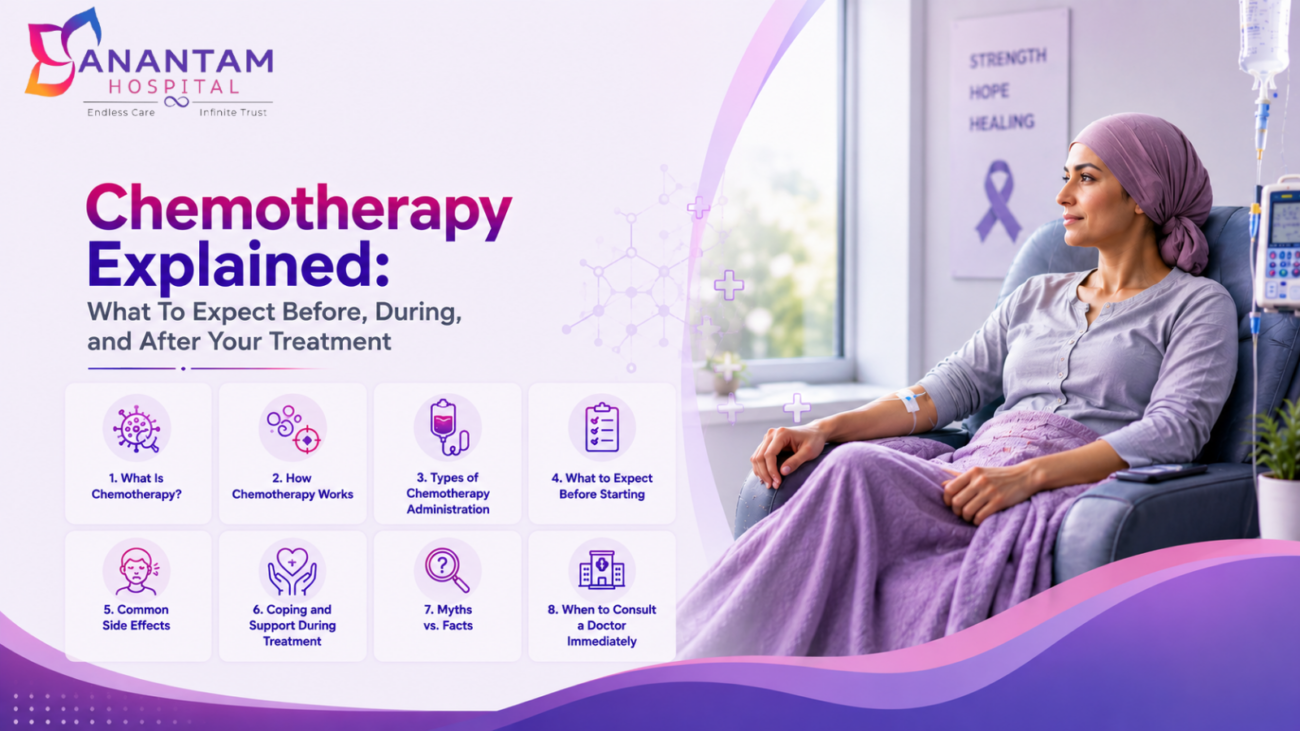
Chemotherapy treatment session at Anantam Hospital

Chemotherapy Explained: What To Expect Before, During, and After Your Treatment

Finding out you or a close one has to go through chemotherapy may cause a lot of questions at once. Most of them are related to what actually will happen now.

This article provides a comprehensive overview of chemotherapy and will help to understand what to expect, how to cope with it and how this type of treatment may affect you.

What Is Chemotherapy?

The very definition of chemotherapy is using chemicals to eliminate cancerous cells or stop them from growing. In everyday conversation, this treatment is often shortened to the “chemo”. As a rule, it’s one of the treatment methods for cancer.

Sometimes it’s used alone, sometimes with other types of treatment such as surgery, radiation, etc.

How Does It Work?

Cancer cells tend to grow very fast, and chemotherapy targets precisely this property. However, there are some other cells in our body which grow equally fast, and they are affected by treatment. Those cells are hair follicles, blood cells and the mucosa of the gastrointestinal tract.

The most common ways of using this treatment are:

  • Primary treatment. That is chemotherapy only.
  • Neoadjuvant therapy. It’s used before surgery to reduce the size of the tumor and make it easier to operate.
  • Adjuvant therapy. This is chemotherapy after surgery to kill the residual cancer cells not visible on the scan.

Knowing how the treatment works takes a lot of the uncertainty away.

How Is It Administered?

There are some different ways to administer chemotherapy to the patient, and each method has its advantages and disadvantages.

Here they are:

  • Oral administration. The patient gets pills to take at home.
  • Intravenous administration. It’s done at the hospital or specialized clinic. The medication is delivered intravenously.
  • Injection. The medicine is injected directly into the muscle or under the skin of the patient.

The vast majority of treatments is conducted according to the cycle scheme.

Pre-treatment Tests and What You Can Expect Before Chemotherapy

Before starting your treatment, you will have to undergo a number of tests in order to get a full picture of your health condition. They are blood tests, scans, general examination and others.

After that, the specialists design the personalized chemotherapy plan for you including the necessary drugs, dosages and frequency of treatments. Each person and each case of cancer is unique, and so is the treatment plan.

Possible Side Effects of Chemo

This is the part where the majority of people have doubts. Let’s be honest about it.

Here they are:

  • Fatigue that can vary from mild to severe
  • Nausea that is now usually managed with anti-nausea medication
  • Hair loss, but not all of the chemo drugs cause hair loss
  • Changes in appetite and taste and others

The thing is that side effects differ a lot depending on the specific type of drugs and the response of your body. Some people have mild symptoms, some – more serious.

Coping with Chemotherapy

Going through this type of treatment involves not only coping with it itself but also with the impact it makes on your everyday life.

Some useful tips are as follows:

  1. Stay hydrated and eat light meals even when you don’t feel hungry;
  2. Take breaks and get enough sleep whenever you need it, because fatigue is a normal part of treatment;
  3. Go to your follow-ups because the plan of your treatment is adjusted depending on your condition;
  4. Rely on the support of your family members, friends or support group;
  5. Communicate your feelings both physical and psychological.

The truth is cancer treatment not only impacts the patient, but it impacts the whole family. That’s the emotional burden which needs to be addressed as well.

Chemo Myths

There are many myths related to chemotherapy. Here are some of them debunked.

  • Myth: Chemo means that you will feel severely ill.
    Fact: This is not necessarily true because severity of symptoms differs from one drug type and individual to another.
  • Myth: You will certainly lose your hair.
    Fact: Not all of the chemo drugs cause hair loss, and it depends on your particular drugs.
  • Myth: You won’t be able to work during this period of your life.
    Fact: Yes, there are people who can continue working while undergoing chemo.

Warning Signs to Seek Immediate Medical Help

Most of the side effects can be managed at home. However, there are some signs when you should immediately contact your doctor. Here they are:

  • High fever and signs of infection
  • Severe vomiting and inability to keep fluids
  • Bleeding or unexplained bruising
  • Sudden severe weakness and confusion

This is the symptom list that should not be ignored, especially during active treatment period when your immunity is vulnerable.

Conclusion

Chemotherapy is a scary process for a lot of people. But when you understand how this type of treatment works, what to expect and how to cope with the journey, everything becomes less frightening. Every chemotherapy treatment plan is different, and that is why personalized treatment and communication with your doctor are so important.

If you or your loved one is facing a cancer diagnosis and thinking about the treatment options, you are not alone. Anantam Hospital, one of the best multispeciality hospitals in Kalyan with 24/7 emergency care provides you with professional Oncology consultations for chemotherapy and other treatment steps.
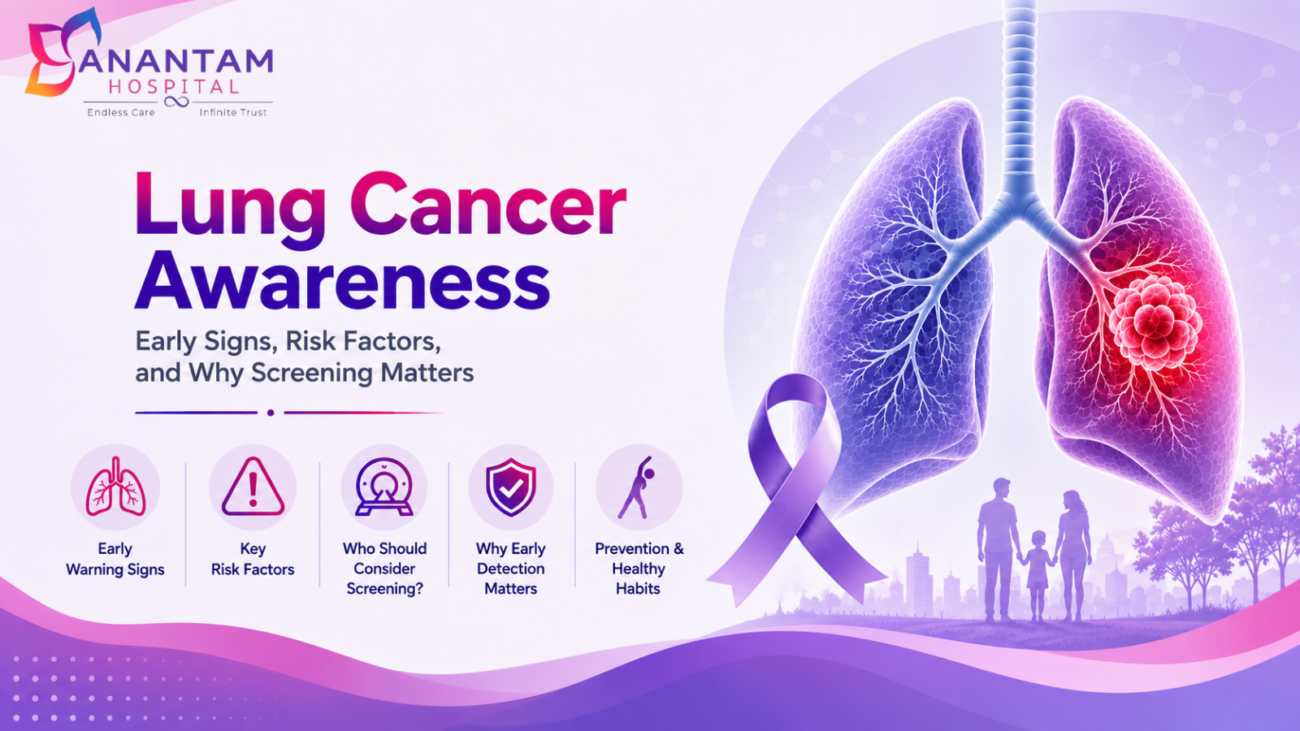
Lung Cancer: Signs and Guide

Lung Cancer Awareness: Early Signs, Risk Factors, and Why Screening Matters

That cough you’ve had for three weeks? The one you keep blaming on allergies or “just a lingering cold”? It might be worth a second look. Most of us brush off small symptoms because we’re busy, or because we assume it’s nothing serious. But when it comes to lung cancer, catching the small stuff early can genuinely change the outcome.

The Signs People Love to Ignore

Here’s the tricky part about this disease. In its early stages, it often doesn’t feel like an emergency at all.

Watch out for these:

  • A persistent cough that sticks around for weeks and doesn’t respond to usual remedies
  • Breathlessness during activities that never used to wind you
  • Unexplained weight loss without any change to your diet or routine
  • Chest pain that’s dull, sharp, or worsens with deep breaths or coughing

None of these scream “cancer” on their own. That’s exactly why people wait it out instead of getting checked, and why the disease often gets diagnosed later than it should.

It’s Not Just About Smoking

Ask most people what causes this disease and they’ll say smoking. They’re not wrong, but they’re not seeing the full picture either.

A few other risk factors worth knowing about:

Radon Exposure

  • This naturally occurring gas can seep into homes through cracks in the foundation
  • It’s actually one of the leading causes of the disease in non-smokers
  • You can’t see or smell it, so testing your home is the only way to know

Air Pollution

  • Long-term exposure to polluted air adds up over the years
  • Living in high-traffic or industrial areas increases your risk
  • This is a growing concern, especially in urban environments

Occupational Hazards

  • Jobs involving asbestos, diesel exhaust, or certain chemicals carry higher risk
  • Construction, mining, and manufacturing workers should pay extra attention
  • Protective gear and regular checkups matter more here than most people realize

Family History

  • If a close relative had this disease, your own risk goes up
  • Genetics don’t guarantee anything, but they’re worth mentioning to your doctor

So no, you don’t need to be a smoker to end up dealing with it. That’s a myth worth retiring for good.

Who Should Consider Screening

This is where a lot of people get stuck. Screening sounds intense, so they assume it’s not for them. Let’s simplify it.

You’re generally a candidate for lung cancer screening if you:

  • Are between 50 and 80 years old
  • Have a significant smoking history (past or present)
  • Have been exposed to occupational or environmental risk factors over a long period
  • Have a family history that raises concern

What does screening actually involve?

The standard tool used for lung cancer screening is a low-dose CT scan. It’s quick, non-invasive, and uses a fraction of the radiation of a regular CT scan. Think of it as a photograph of your lungs that can catch trouble before symptoms even show up.

Why Early Detection Changes Everything

Here’s the honest truth. Catching it early gives you a dramatically better treatment outlook than catching it late.

When it’s found at an early stage, treatment options widen. Surgery becomes more viable. Recovery odds improve. Simply put, the earlier you catch it, the more control you have over what happens next.

Waiting for symptoms to get “bad enough” isn’t a strategy. It’s a gamble, and it’s one you don’t need to take if screening is available to you.

Small Changes That Actually Help

Prevention isn’t about overhauling your entire life overnight. A few consistent habits go a long way:

  1. Quit smoking, or don’t start. This remains the single biggest step you can take
  2. Test your home for radon, especially if you live in an older building
  3. Limit exposure to pollutants where you can, whether that’s wearing a mask in high-traffic areas or improving ventilation at home
  4. Follow workplace safety protocols if your job involves chemical or industrial exposure
  5. Stay on top of checkups, especially if you fall into a higher-risk category

None of these guarantee you’ll never deal with the disease, but they meaningfully lower your odds and put you in a better position if something does show up.

Don’t Wait to Get Checked

If you’ve been shrugging off a cough, feeling more winded than usual, or just haven’t had a checkup in a while, this is your nudge to take lung cancer risk seriously. Lung cancer is far more manageable when it’s caught early, and screening is easier and faster than most people expect.

Anantam Hospital, known as the best multispeciality hospital in Kalyan, offers lung cancer screening and pulmonology consultations to help you stay ahead of your health. Book your screening today and give yourself the peace of mind you deserve.

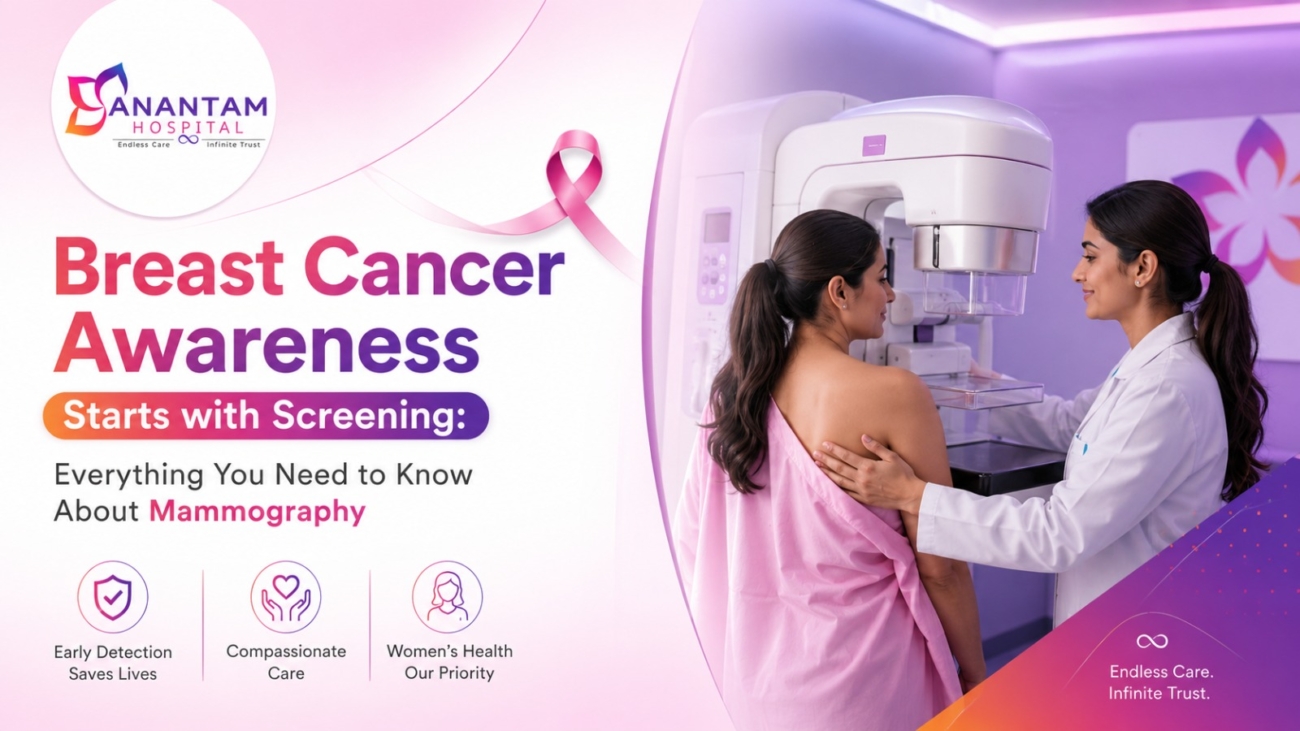
Woman undergoing breast cancer screening with mammography at Anantam Hospital, Kalyan West for early breast cancer detection.

Breast Cancer Awareness Starts with Screening: Everything You Need to Know About Mammography

Most of us do not think about our breast health until we notice something when it comes to breast cancer waiting for symptoms is not always the best choice. Breast cancer often develops silently in its stages without causing pain or a noticeable lump. That’s why regular screening through mammography is one of the effective ways to detect breast cancer early.

The earlier breast cancer is diagnosed, the the chances of successful treatment and recovery. A simple screening today can make a difference to your health tomorrow.

What Is Mammography?

A mammogram is a low-dose X-ray that creates images of the breast. It helps detect changes in breast tissue that may not be visible or felt during a self-examination or routine physical check-up. This makes mammography a trusted tool for early breast cancer screening.

It is essential to understand that a mammogram is not recommended when there is a problem. It is a screening that helps identify changes before symptoms appear giving doctors the opportunity to diagnose and treat breast cancer at its earliest stage.

Why Early Detection Matters

Breast cancer found early is often easier to treat. May require less treatment. In cases early detection improves treatment outcomes & increases survival rates.

Many women diagnosed through mammography had no pain, no lump and no obvious symptoms. This is why regular breast cancer screening is crucial it helps detect what cannot yet be seen or felt.

Who Should Consider a Mammogram?

Regular mammography is generally recommended for women aged 40 years and above or earlier if advised by a doctor based on family history.

You should also consult a healthcare professional if you experience:

  • A new lump in the breast. Underarm
  • Changes in the size or shape of the breast
  • Nipple. Nipple inversion
  • Skin dimpling, redness or thickening
  • Persistent pain in one area of the breast

These symptoms do not always indicate breast cancer. They should never be ignored. Breast cancer screening is vital.

Is Mammography Safe?

Yes. Mammography uses a dose of radiation and is considered a safe and effective screening test. The procedure is quick. While some women may experience mild discomfort for a few seconds the benefits of early detection far outweigh this temporary inconvenience.

Looking After Your Breast Health

Along with breast cancer screening maintaining a healthy lifestyle staying physically active and being aware of any changes in your breasts are all important steps towards better breast health. Importantly do not postpone a screening because you feel healthy. Preventive care is about identifying problems before they become serious.

Your Health Deserves Timely Attention

Breast cancer awareness is not just about knowing the signs, it is about taking action at the time. A mammogram is a screening that can provide reassurance detect concerns early and potentially save lives. Mammography is key.

At Anantam Hospital we believe that quality healthcare begins with awareness and timely diagnosis. With mammography services, experienced specialists and a patient-first approach we are committed to supporting every woman in making informed decisions, about her breast health. Because when breast cancer is detected early hope becomes stronger treatment becomes more effective. Lives can be changed.

Cervical cancer awareness poster promoting Pap Smear screening for early detection and prevention.

Cervical Cancer and the Importance of Pap Smear Screening: Early Detection Can Save Lives

Women’s health requires regular attention, preventive care, and timely screenings to identify potential health concerns before they become serious. Among the various health conditions affecting women, cervical cancer remains one of the most preventable and treatable cancers when detected early. Regular screening through Pap Smear testing plays a crucial role in identifying abnormal cervical cell changes and reducing the risk of developing cervical cancer. At Anantam Hospital, we are committed to promoting women’s health through awareness, early diagnosis, and comprehensive preventive care services.

Cervical cancer develops in the cells of the cervix, which is the lower part of the uterus that connects to the vagina. In most cases, cervical cancer is associated with persistent infection caused by certain types of Human Papillomavirus (HPV). The condition often develops slowly over several years, which makes regular screening extremely important. Early stages of cervical cancer may not cause noticeable symptoms, allowing the disease to progress silently if routine health check-ups are ignored.

The Pap Smear test is a simple, safe, and effective screening procedure used to detect abnormal changes in cervical cells before they become cancerous. During the test, a small sample of cells is collected from the cervix and examined under a microscope. The procedure usually takes only a few minutes and can help identify precancerous conditions at an early stage, allowing timely medical intervention and significantly improving treatment outcomes.

One of the biggest advantages of Pap Smear screening is its ability to detect abnormalities long before symptoms appear. Early detection allows healthcare professionals to monitor, treat, and manage abnormal cell changes before they develop into cervical cancer. Regular screening has contributed significantly to reducing cervical cancer-related complications and mortality rates worldwide.

Certain factors may increase the risk of cervical cancer, including persistent HPV infection, smoking, weakened immunity, multiple pregnancies, long-term use of oral contraceptives, and a family history of cervical cancer. However, even women without obvious risk factors should undergo regular screening as recommended by their healthcare provider. Preventive healthcare remains one of the most effective ways to protect long-term health and well-being.

Symptoms of cervical cancer may include abnormal vaginal bleeding, bleeding after intercourse, pelvic pain, unusual vaginal discharge, or discomfort during sexual activity. While these symptoms can occur due to other medical conditions, they should never be ignored. Seeking timely medical evaluation can help identify the underlying cause and ensure appropriate treatment if required.

At Anantam Hospital, women’s health services focus on preventive care, early diagnosis, and patient-centered treatment. Our experienced healthcare professionals provide Pap Smear screening, gynecological consultations, diagnostic evaluations, and personalized care plans tailored to each patient’s needs. We strive to create a comfortable and supportive environment where women can prioritize their health with confidence.

Awareness and education are equally important in the fight against cervical cancer. Encouraging regular health screenings, HPV vaccination, healthy lifestyle choices, and open conversations about women’s health can help reduce the burden of cervical cancer and improve overall healthcare outcomes. Early detection not only increases treatment success rates but also helps preserve quality of life and provides peace of mind.

At Anantam Hospital, we believe that preventive healthcare is the foundation of a healthier future. Through regular screenings, expert medical guidance, and compassionate care, we remain dedicated to empowering women to take charge of their health and make informed healthcare decisions. A simple Pap Smear test today can make a significant difference for tomorrow.

Oncology care and cancer treatment awareness services at Anantam Hospital

The Role of Oncology in Providing Comprehensive Cancer Care

Introduction:
Cancer is a health problem that affects many people worldwide. Medical science has
made progress in understanding and treating cancer but it’s not just about one
treatment or procedure. Patients need a step-by-step approach that includes getting
the diagnosis, having a plan for treatment, checking on their progress and getting
emotional support.
Oncology is a part of this. Oncology is a type of medicine that focuses on preventing,
finding out and treating cancer. It’s not just about giving treatments. Oncology is about
giving patients care that looks at their medical needs and personal needs. Places like
Anantam Hospital offer oncology care that makes sure patients get diagnosed on time,
get the treatment and have help and guidance as they recover. Oncology care helps
patients with cancer get better.
Understanding Oncology and Its Scope:
Oncology is the part of medicine that deals with cancer. It is about finding out what
cancer is and how to diagnose it and treat it. Oncology doctors are trained to help
patients with cancer from the start to the end. They help patients when they are first
diagnosed and they help them during treatment and after treatment is over.
The area of oncology is very big. It has many parts that work together to help patients
with cancer.
Medical Oncology is about using medicine to treat cancer. This includes chemotherapy
and other kinds of therapy that help kill cancer cells or stop them from growing.
Surgical Oncology is about surgery to remove tumors or bad tissues. Sometimes
surgery is very important to stop cancer from spreading and to help patients get better.
Radiation Oncology uses radiation to kill cancer cells without hurting the cells around
them. Doctors use this method to treat cancer by itself or with surgery and medicine.
All these parts of oncology work together to help doctors make a plan to treat each
patient. Oncology doctors look at each patient. Decide what is the best way to treat
their cancer. They want to help patients with cancer. They also want to support them
when they are feeling sad or sick. Oncology doctors are there to help patients with
cancer throughout the process.
The Importance of Early Detection and Accurate
Diagnosis:
Finding cancer early is very important for treating it successfully. When we find cancer
at the beginning the treatment is usually more effective and not as complicated.
Doctors who specialize in cancer called oncology specialists use tools to find cancer
and see how far it has spread. These tools include machines that take pictures like CT
scans, MRI scans and PET scans and tests that look at blood and tissue. Getting the
right diagnosis helps doctors understand what is going on with the cancer and choose
the treatment.
Doctors also help patients understand what is happening with their cancer and what
their treatment options are so patients can make decisions about their care.
Personalized Cancer Treatment Planning:
Every person’s cancer is different so we need to make a treatment plan that is just right
for each person. Doctors who treat cancer look carefully at things, like what kind of
cancer it is, how far it has spread, how healthy the person is and how the cancer might
respond to treatment.
Then doctors might suggest using one or more kinds of treatment like surgery,
chemotherapy, radiation therapy, targeted therapy or immunotherapy. These
treatments try to get rid of the cancer cells without hurting the cells.
Making a treatment plan that’s just for you helps doctors give you the best care
possible which means you will get better treatment and have a better experience
overall.
Advancements in Oncology and Future Possibilities:
Cancer treatment has gotten much better in recent years. This is thanks to medical
research and technology. Now doctors can use treatments like precision medicine. This
treatment uses a patient’s information to create a plan that fights their specific type of
cancer.
Immunotherapy is another step forward. It helps the body’s immune system find and
fight cancer cells. Better imaging technologies and molecular testing also help doctors
find cancer early. They can also track how well treatment is working.
These changes are making a difference in cancer care. They give patients hope for a
longer life and a better life.
Conclusion:
Oncology is key to cancer care. It combines finding cancer, getting an accurate
diagnosis, creating a treatment plan and supporting patients. Oncology uses a team
approach & the latest medical advancements. This way patients get care that treats
the cancer and helps their health.
Hospitals, like Anantam Hospital, keep working to provide complete oncology services.
They support patients at every step of their treatment. With the doctors, technology
and care oncology keeps getting better. It gives people with cancer hope for a future.


1770116259685

Oncology Services at Anantam Hospital: Comprehensive Cancer care with Compassion

Cancer remains one of the most significant health challenges of our time, affecting millions of individuals and families across the world. While the diagnosis of cancer can be overwhelming, advancements in medical science have transformed oncology into a field driven by early detection, precision treatment, and patient centered care. With timely intervention and expert guidance, many cancers today are manageable and, in several cases, curable.

At Anantam , oncology services are designed to provide comprehensive, ethical, and compassionate cancer care. The hospital is committed to supporting patients at every stage from prevention and diagnosis to treatment, recovery, and long-term follow-up.

Understanding Oncology

Oncology is the branch of medicine that focuses on the prevention, diagnosis, and treatment of cancer. It also involves managing the physical, emotional, and psychological impact of the disease on patients and their families.

Cancer can develop in almost any part of the body and may affect individuals of all ages. Common types include breast cancer, lung cancer, oral cancer, gastrointestinal cancers, and blood-related cancers such as leukemia and lymphoma. Each type of cancer behaves differently and requires a tailored approach to treatment.

At Anantam Hospital, oncology care emphasizes accurate diagnosis, evidence-based treatment, and continuous monitoring, ensuring that patients receive the most appropriate care according to their condition.

The Importance of Early Detection and Awareness

Early detection is one of the most critical factors in successful cancer treatment. When cancer is diagnosed at an early stage, treatment options are more effective, recovery rates are higher, and the overall impact on the patient’s life is significantly reduced.

However, many cases reach advanced stages due to lack of awareness or delayed medical consultation. Symptoms such as persistent pain, unexplained weight loss, unusual lumps, changes in bowel habits, prolonged fatigue, or abnormal bleeding should never be ignored.

Anantam Hospital actively promotes cancer awareness and preventive health education, encouraging individuals to seek medical advice at the earliest sign of concern. Regular health check-ups and screening programs play a vital role in identifying cancer before symptoms become severe.

Comprehensive Oncology Services at Anantam Hospital

Anantam Hospital offers a wide range of oncology services delivered by experienced medical professionals using modern diagnostic and therapeutic technologies. Each patient receives a personalized treatment plan based on their diagnosis, stage of cancer, and overall health.

Key oncology services include:

  • Advanced Cancer Diagnosis Accurate diagnosis through imaging studies, laboratory tests, and pathological evaluations to determine the type and stage of cancer.
  • Medical Oncology Services Administration of chemotherapy, targeted therapy, and other systemic treatments using standardized protocols designed to maximize effectiveness while minimizing side effects.
  • Supportive and Palliative Care Focused on symptom management, pain control, nutritional support, and improving quality of life during and after treatment.
  • Post-Treatment Follow-Up and Surveillance Regular monitoring to assess recovery, detect recurrence early, and guide patients toward long-term wellness and rehabilitation.

The hospital follows a multidisciplinary approach, where oncologists collaborate with physicians, nurses, counselors, and support staff to ensure holistic care.

Patient-Centered Approach to Cancer Care

At Anantam Hospital, cancer treatment extends beyond medical intervention. The emotional and psychological well-being of patients is considered equally important. A cancer diagnosis can bring uncertainty, fear, and stress not only for the patient but also for their families.

This transparent and empathetic approach helps build trust and enables patients to face their treatment journey with confidence.

Community Engagement and Cancer Prevention

Anantam Hospital is committed to creating awareness about cancer prevention and early detection within the community. Many cancers can be prevented or their risk significantly reduced through lifestyle modifications such as avoiding tobacco, maintaining a balanced diet, regular physical activity, and managing stress.

Through awareness initiatives, the hospital emphasizes:

  • Recognizing early warning signs of cancer
  • The importance of routine screenings
  • Dispelling myths and reducing stigma associated with cancer
  • Encouraging preventive healthcare practices

These efforts aim to promote proactive health behavior and reduce the incidence of late-stage cancer diagnoses.

Advancing Hope Through Modern Oncology

With continuous advancements in oncology, cancer care today offers improved outcomes and better quality of life for patients. Innovations in medical treatments, supportive care, and follow-up protocols have significantly changed the cancer care landscape.

At Anantam Hospital oncology services reflect a commitment to excellence, compassion, and integrity. The hospital strives to provide a safe and supportive environment where patients feel respected, informed, and cared for throughout their journey.

Cancer is a complex disease, but with timely diagnosis, expert medical care, and emotional support, it can be effectively managed. Anantam Hospital stands as a trusted healthcare institution in Kalyan, dedicated to delivering comprehensive oncology services with professionalism and empathy.

For individuals seeking reliable cancer care, preventive guidance, or expert consultation, Anantam Hospital remains committed to walking alongside patients and families offering hope, strength, and quality care at every step.