
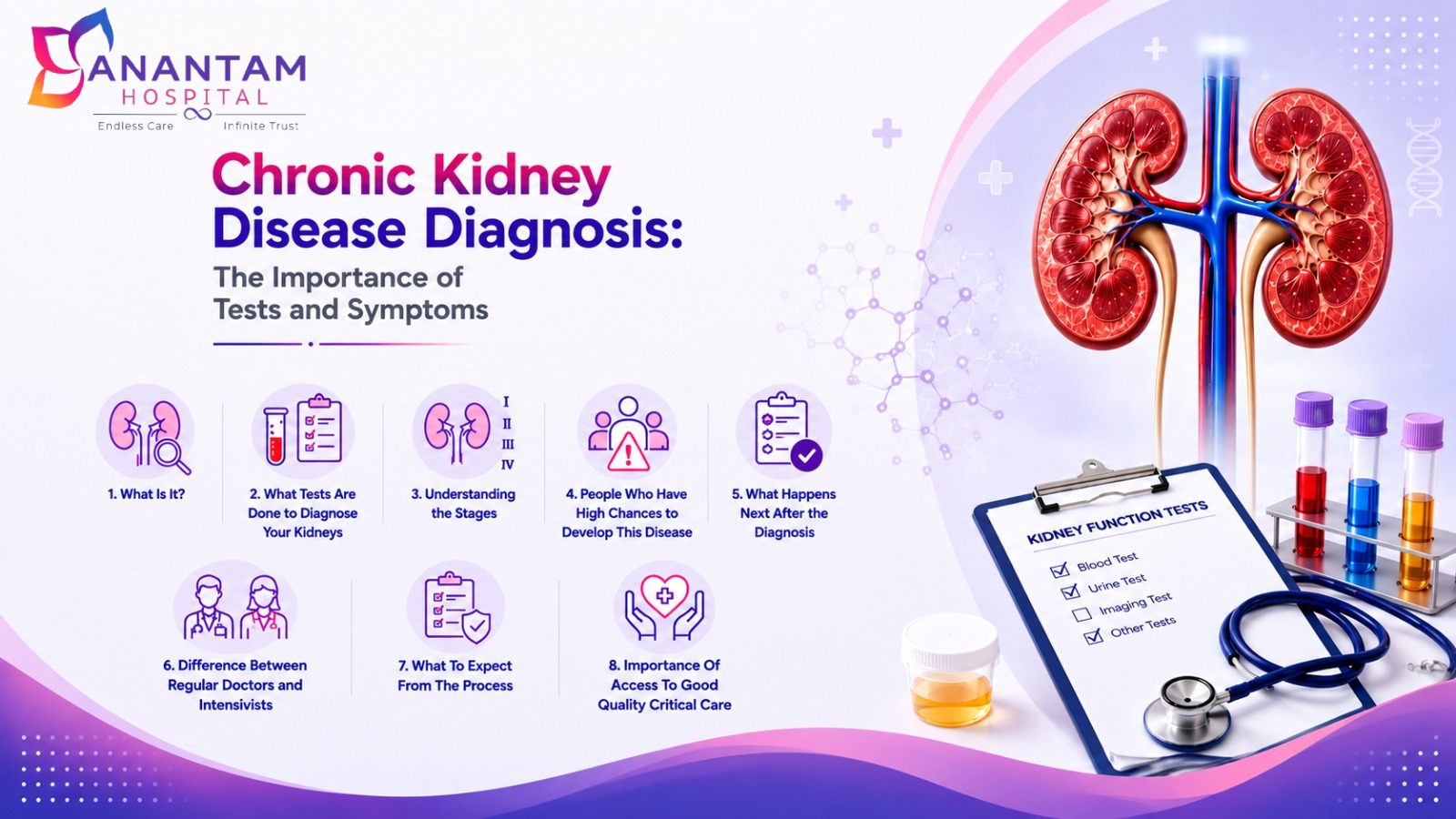
Your kidneys function continuously to cleanse your blood from toxins, yet you only pay attention to them once something goes wrong. By the time you notice the problem, lots of things may have been going on under the surface. That’s why chronic kidney disease diagnosis is so important. They usually appear slowly and develop silently, which means that an early detection becomes crucial for you to take appropriate action.
What Is Chronic Kidney Disease?
Chronic kidney disease, commonly known as CKD, is a slow decrease in kidney function due to some internal issues. Unlike acute cases, it takes a lot of time to develop, sometimes many years.
Your kidneys cleanse your blood from metabolic waste, adjust fluid balance, and maintain blood pressure levels. If something starts happening with kidneys, the consequences will affect the whole organism, not only the urinary system.
The First Signs that You Might Overlook
This illness is really hard to detect, and that is why chronic kidney disease diagnosis becomes so important.
Be careful about these symptoms:
- Frequent tiredness despite rest
- Leg swelling
- Unusual urination patterns, including color changes
- High blood pressure
- Loss of appetite or a metallic taste
They do not indicate any specific kidney problem at all, which is exactly why people ignore them.
What Tests Are Done to Diagnose Your Kidneys
Diagnosing kidney issues is pretty simple and does not require any sophisticated procedure.
Blood Tests
- Shows your creatinine level, a waste that should be filtered by your kidneys
- Determines your eGFR, which is your estimated glomerular filtration rate (it shows how well your kidneys work)
Urine Tests
- Detects presence of protein or albumin in urine, which should not be there
- Allows you to diagnose your kidney issues even before any symptom appears
Imaging Test
- Ultrasound helps you find the kidney’s size, structure, or blockages and cysts
Biopsy (If Needed)
- It’s done if it’s difficult to understand the reason of your illness after all blood and urine tests
These tests create a full picture, and this is the reason why chronic kidney disease diagnosis rarely requires one single test.
Understanding the Stages of CKD
After you get your result, doctors will divide your disease into 5 stages according to your eGFR results.
Stage 1: normal kidney function but other signs of kidney damage present
Stage 2: mild reduction in kidney function
Stage 3: moderate reduction in kidney function (stage 3b is usually accompanied with symptoms appearance)
Stage 4: severe reduction in kidney function
Stage 5: kidney failure
Each stage will allow you to plan the appropriate treatment for your kidney disease.
People Who Have High Chances to Develop This Disease
There are a few factors, which increase your chances to develop chronic kidney disease.
Diabetes – is one of the main reasons for the appearance of this illness.
High blood pressure – puts additional stress on the blood vessels of the kidneys.
Family history of kidney disease
Obesity – it increases the workload on your kidneys.
Knowing your risks allows you to prevent this illness before it appears.
What Happens Next After the Chronic Kidney Disease Diagnosis?
After the diagnosis, you have to create an appropriate treatment plan, which depends on your stage.
It includes the following steps:
Lifestyle changes – it’s needed to control blood sugar, reduce salt intake, and to exercise.
Medication – to control high blood pressure.
Monitoring – regular blood and urine tests to control kidney function.
Dialysis or transplant – it’s used in advanced stages of this disease.
Timely treatment allows you to slow down the process of chronic kidney disease development.
Summary
CKD is really hard to spot, which is the main reason why the knowledge of this illness symptoms becomes so important. Getting your diagnosis in time will give you the opportunity to manage it successfully.
If you have diabetes or high blood pressure, or you haven’t got checked recently, it’s better to do it now. Anantam Hospital, which is the best multispeciality hospital in Kalyan with 24/7 emergency care, provides consultations for Nephrology.


Add a Comment