
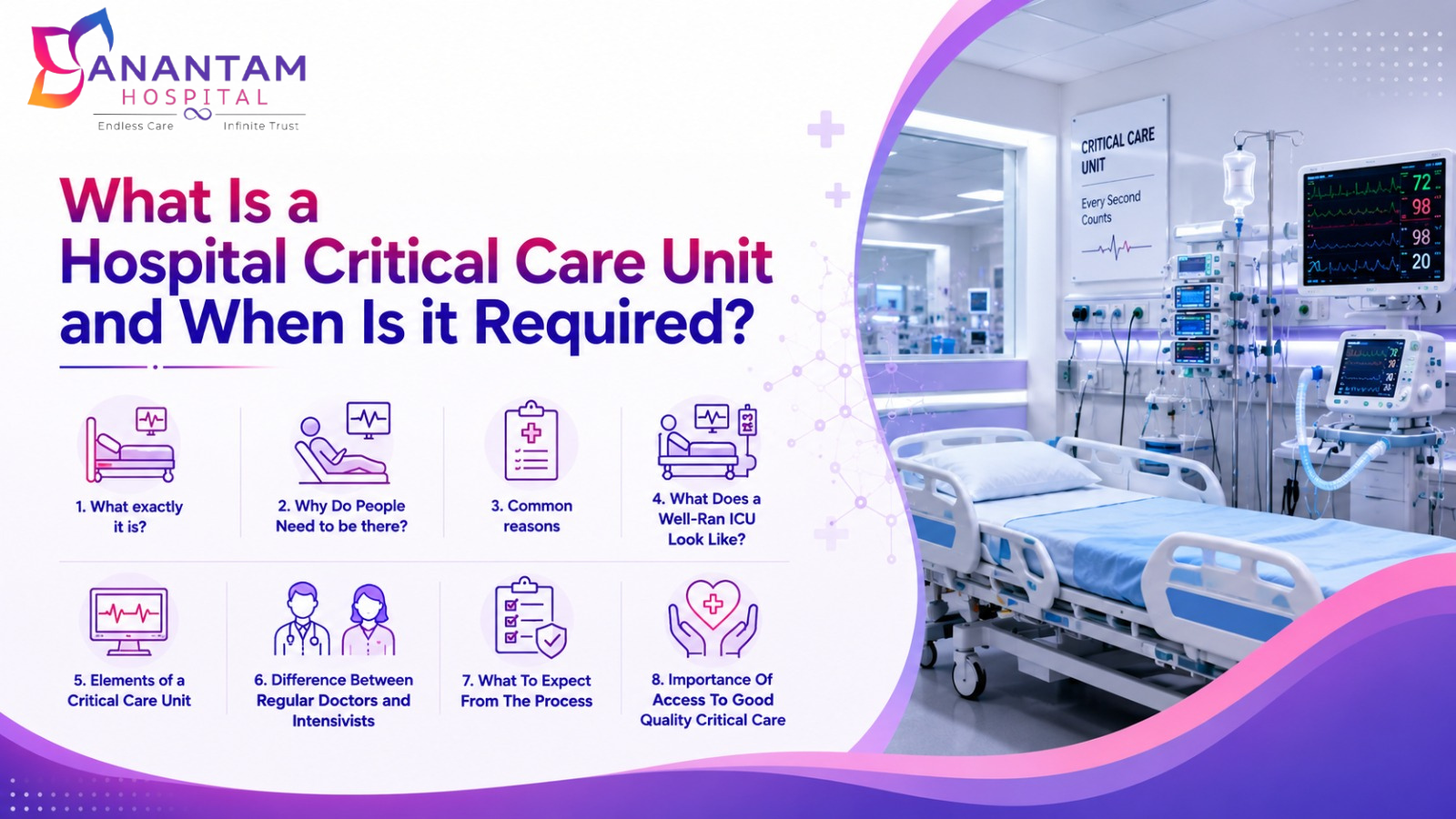
The news that a relative or close person will be admitted to the ICU may be frightening and even alarming as most people do not understand what does it mean. It is important to learn some information about a hospital critical care unit as it will help to understand the situation better.
What Is a Hospital Critical Care Unit?
The ICU, or a critical care unit, is a special area in the hospital which is dedicated to patients who require continuous monitoring and intensive attention. The main peculiarity of this unit is that each patient gets much more attention than it is in the other hospital areas.
Why Do People Need to Be in a Critical Care Unit?
There are many reasons why a person is admitted to the ICU and all of them are rather serious. In most cases, such a unit helps to save lives.
Common reasons for admission to a critical care unit include:
- Sepsis or other serious infections
- After complications following the surgical operation
- Patients with heart attacks
- Patients with breathing problems
- After an accident or any other trauma
- Organ failure
It may take several days or even weeks for a patient to leave the critical care unit. It depends on his or her condition.
What Does a Well-Ran ICU Look Like?
It is not only a ward with some additional devices and machines. A good ICU consists of highly-specialized medical staff, advanced medical technologies and readiness for rapid response.
Elements of a hospital critical care unit include:
- Constant monitoring of the patient’s vital signs
- Ventilators in case a person cannot breathe on his/her own
- Cardiac monitors
- Intensivists who are medical doctors specializing in critical care medicine
- Rapid response protocols
All these elements have a purpose to provide timely reaction to all possible problems of patients.
Difference Between Regular Doctors and Intensivists
Doctors usually focus on diagnostics and development of treatment plan. On the contrary, intensivists always try to make a quick decision in case of changes in a patient’s condition.
What To Expect From The Process
Being with your loved one in critical care can be a difficult experience, but there are certain things one can expect from the process.
- The visiting hours may be limited due to patient needs and restrictions
- Communications take place on regular basis, with doctors keeping the families informed about the current situation and future plans
- Getting psychological support is important so ask the hospital’s staff to help you if you need any assistance
- Questions are always allowed – ask the care team all the questions you might have
You are not supposed to know all the terms used by medical specialists, but a competent care team should be able to give you the needed explanation.
The Importance Of Access To Good Quality Critical Care
In a real emergency every minute counts, and having a well-equip hospital critical care unit available within the area is vital.
Some of the criteria for assessing a hospital’s readiness for a crisis situation:
- 24×7 availability of intensivists and other specialists
- Modern equipment maintained and upgraded regularly
- Quick admission to critical care after being detected at the general ward
- Effective communication between different departments in case of an emergency
These points are crucial to consider when evaluating the quality of the care offered at a particular facility.
Conclusion
Hospitals’ critical care units are designed to provide care to people who really need constant monitoring and fast reaction in case of a crisis situation. Understanding what such departments do, who are their target audiences and what one can expect from the process is important.
If you look for a hospital to get treatment for yourself or a loved one suffering from a certain condition, pay attention to the critical care unit. Anantam Hospital, which is considered the best multispeciality hospital in Kalyan, provides its patients with a 24×7 critical care unit staffed by experienced intensivists.


Add a Comment