
Introduction
The human brain is an intricate command center, silently coordinating every movement, thought, and emotion. A stroke disrupts this harmony, often suddenly and without warning. Understanding what a stroke is and how it affects the brain can help individuals respond quickly and reduce long-term damage.
What Is a Stroke?
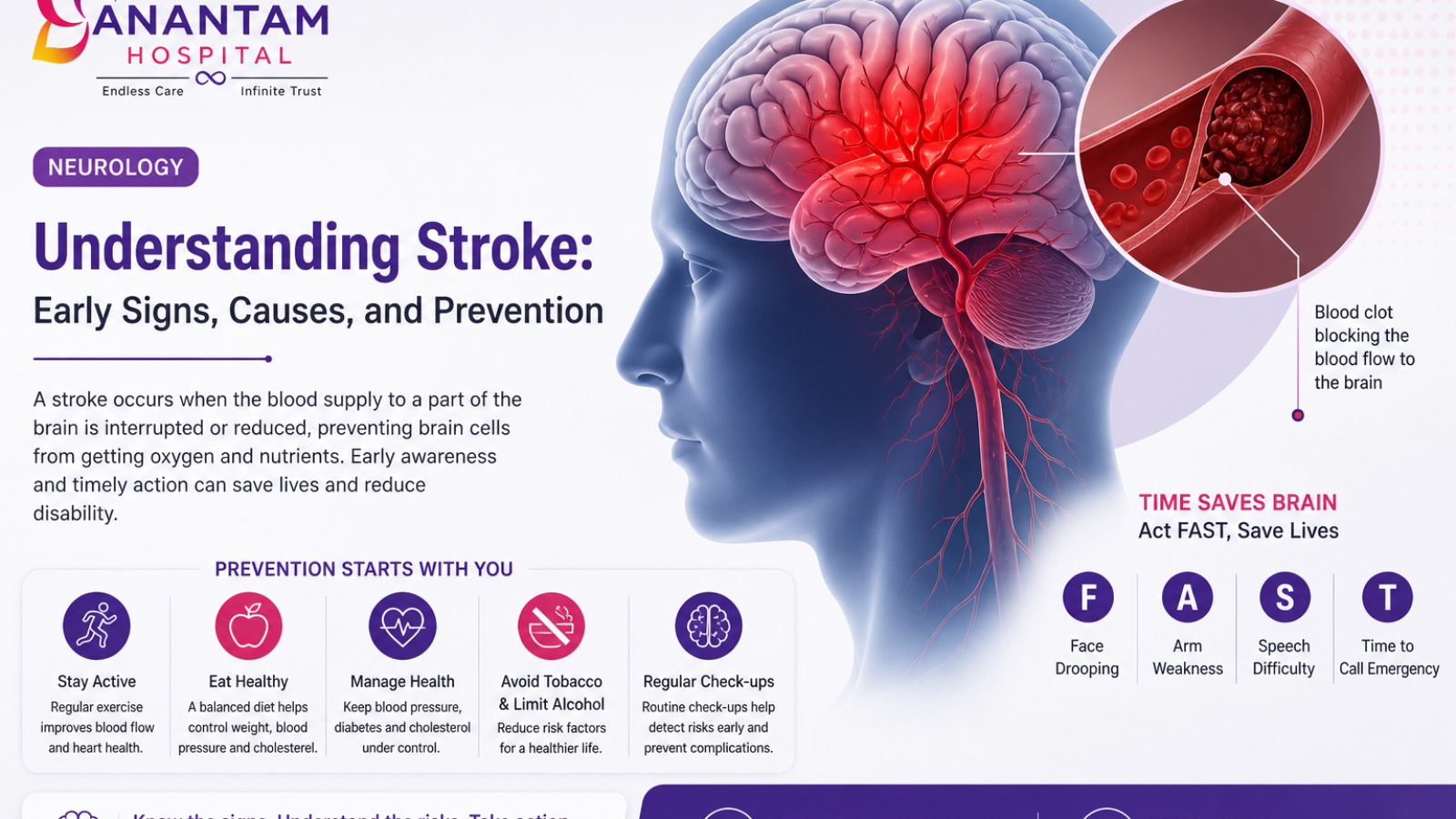
A stroke occurs when the blood supply to a part of the brain is interrupted or reduced, preventing brain tissue from receiving oxygen and nutrients. Within minutes, brain cells begin to die. The severity of a stroke depends on how long the brain is deprived of blood and which area is affected.
Types of Stroke
There are two main types of stroke, each with distinct causes. An ischemic stroke happens when a blood vessel supplying the brain becomes blocked, usually due to a clot. A hemorrhagic stroke occurs when a blood vessel in the brain leaks or ruptures, leading to bleeding within or around the brain. Both types require immediate medical attention.
Recognizing the Early Warning Signs
Stroke symptoms often appear suddenly and can vary from person to person. Common signs include sudden numbness or weakness in the face, arm, or leg, especially on one side of the body. Difficulty speaking or understanding speech, confusion, trouble seeing in one or both eyes, and loss of balance or coordination are also important indicators. Acting quickly when these symptoms appear can significantly improve outcomes.
Common Causes and Risk Factors
Several factors increase the likelihood of stroke, including high blood pressure, diabetes, high cholesterol, smoking, obesity, and a sedentary lifestyle. Age and family history also play a role. While some risk factors cannot be changed, many can be managed through lifestyle modifications and regular health monitoring.
Prevention and Brain Health
Preventing stroke involves maintaining overall cardiovascular and neurological health. A balanced diet rich in nutrients supports healthy blood vessels and brain function. Regular physical activity helps control blood pressure and improves circulation. Avoiding tobacco and limiting alcohol intake further reduces risk. Regular medical check-ups allow early detection and management of underlying conditions.
Why Early Action Matters
Time is critical when dealing with a stroke. The faster medical treatment is received, the better the chances of minimizing brain damage and improving recovery. Immediate recognition of symptoms and quick response can be life-saving and can significantly reduce long-term complications.
Conclusion
A stroke is a serious medical condition, but awareness and prevention can make a powerful difference. By understanding the causes, recognizing early signs, and adopting healthier habits, individuals can take proactive steps to protect their brain health and overall well-being.


Add a Comment