
neurology

Understanding Stroke: Early Signs, Causes, and Prevention

Introduction

The human brain is an intricate command center, silently coordinating every movement, thought, and emotion. A stroke disrupts this harmony, often suddenly and without warning. Understanding what a stroke is and how it affects the brain can help individuals respond quickly and reduce long-term damage.


What Is a Stroke?

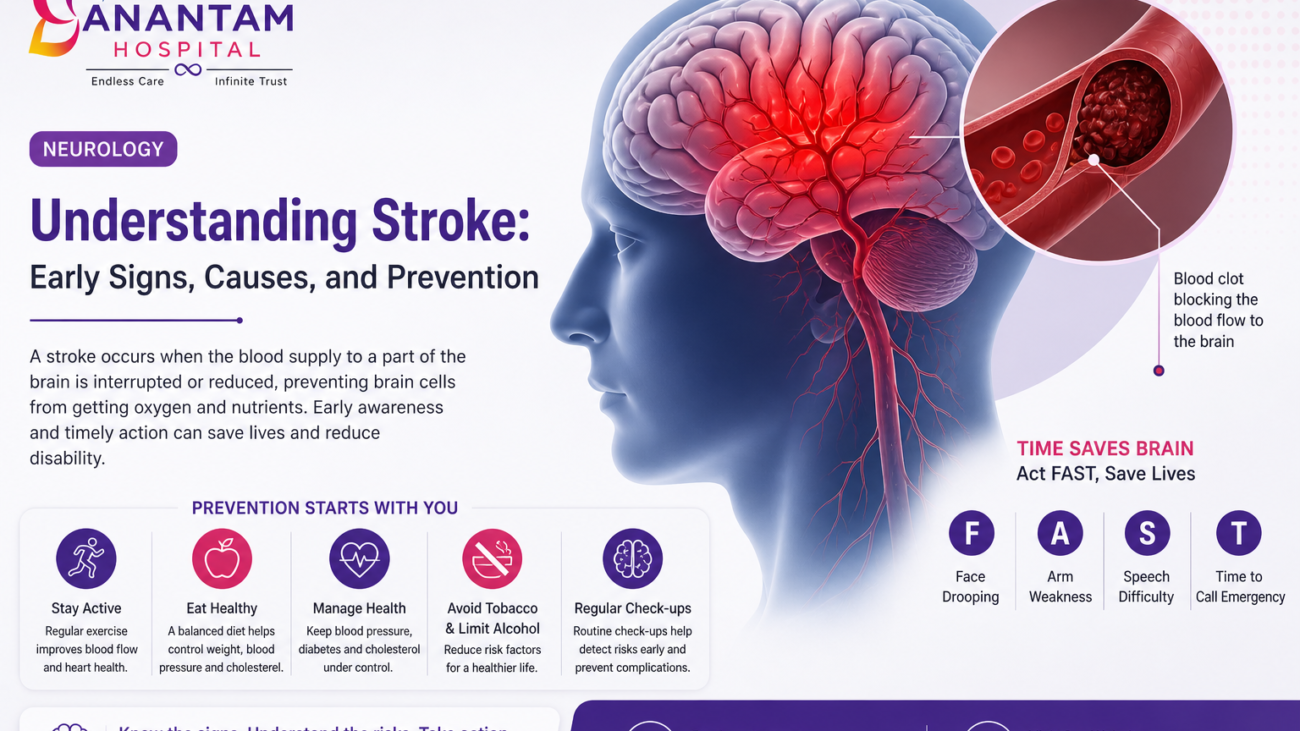
A stroke occurs when the blood supply to a part of the brain is interrupted or reduced, preventing brain tissue from receiving oxygen and nutrients. Within minutes, brain cells begin to die. The severity of a stroke depends on how long the brain is deprived of blood and which area is affected.


Types of Stroke

There are two main types of stroke, each with distinct causes. An ischemic stroke happens when a blood vessel supplying the brain becomes blocked, usually due to a clot. A hemorrhagic stroke occurs when a blood vessel in the brain leaks or ruptures, leading to bleeding within or around the brain. Both types require immediate medical attention.


Recognizing the Early Warning Signs

Stroke symptoms often appear suddenly and can vary from person to person. Common signs include sudden numbness or weakness in the face, arm, or leg, especially on one side of the body. Difficulty speaking or understanding speech, confusion, trouble seeing in one or both eyes, and loss of balance or coordination are also important indicators. Acting quickly when these symptoms appear can significantly improve outcomes.


Common Causes and Risk Factors

Several factors increase the likelihood of stroke, including high blood pressure, diabetes, high cholesterol, smoking, obesity, and a sedentary lifestyle. Age and family history also play a role. While some risk factors cannot be changed, many can be managed through lifestyle modifications and regular health monitoring.


Prevention and Brain Health

Preventing stroke involves maintaining overall cardiovascular and neurological health. A balanced diet rich in nutrients supports healthy blood vessels and brain function. Regular physical activity helps control blood pressure and improves circulation. Avoiding tobacco and limiting alcohol intake further reduces risk. Regular medical check-ups allow early detection and management of underlying conditions.


Why Early Action Matters

Time is critical when dealing with a stroke. The faster medical treatment is received, the better the chances of minimizing brain damage and improving recovery. Immediate recognition of symptoms and quick response can be life-saving and can significantly reduce long-term complications.


Conclusion

A stroke is a serious medical condition, but awareness and prevention can make a powerful difference. By understanding the causes, recognizing early signs, and adopting healthier habits, individuals can take proactive steps to protect their brain health and overall well-being.
anantamblog4

The Critical Role of Early Diagnosis in Neurological Health

Introduction:
The human nervous system controls everything we do from movement and speech to
memory, emotions, and decision-making. When neurological conditions develop, they
can silently affect these essential functions, often progressing before noticeable
symptoms appear.
Many neurological disorders worsen over time if left undiagnosed. However, modern
medicine has shown that early diagnosis significantly improves treatment
outcomes, reduces complications, and helps patients maintain a better quality of life.
At Anantam Hospital, patient education and preventive healthcare play a vital role in
neurological care. Understanding the importance of recognizing symptoms early can
empower individuals and families to seek timely medical attention and protect
long-term brain health.
Understanding Neurological Conditions
Neurological conditions are disorders that affect the brain, spinal cord, and nerves,
disrupting how the body communicates and functions. These conditions can range from
common issues like migraines to more complex disorders such as Alzheimer’s disease,
Parkinson’s disease, epilepsy, and multiple sclerosis. Because the nervous system
controls everything from movement and memory to speech and sensation, even small
changes can have a significant impact on daily life.
Living with a neurological condition often means facing challenges that go beyond
physical symptoms. Memory lapses, tremors, difficulty speaking, or sudden seizures can
affect independence, confidence, and relationships. Families and caregivers also
experience the ripple effects, adjusting routines and learning new ways to support their
loved ones. Understanding these conditions requires not only medical knowledge but
also empathy recognizing that behind every diagnosis is a person navigating
uncertainty and change.
Awareness and education are powerful tools in addressing neurological conditions.
Advances in research and treatment continue to improve quality of life, but equally
important is building supportive communities where individuals feel seen and
understood. By learning about these conditions, we can reduce stigma, encourage
early diagnosis, and foster compassion. Ultimately, understanding neurological
conditions is about more than science; it’s about valuing the human experience and
ensuring that those affected are supported with dignity and care.
What Is Early Diagnosis?
Early diagnosis means identifying a neurological condition at its initial stage, often
before severe damage occurs. This involves recognizing warning signs and conducting
medical evaluations using advanced diagnostic tools such as:
● Neurological examinations
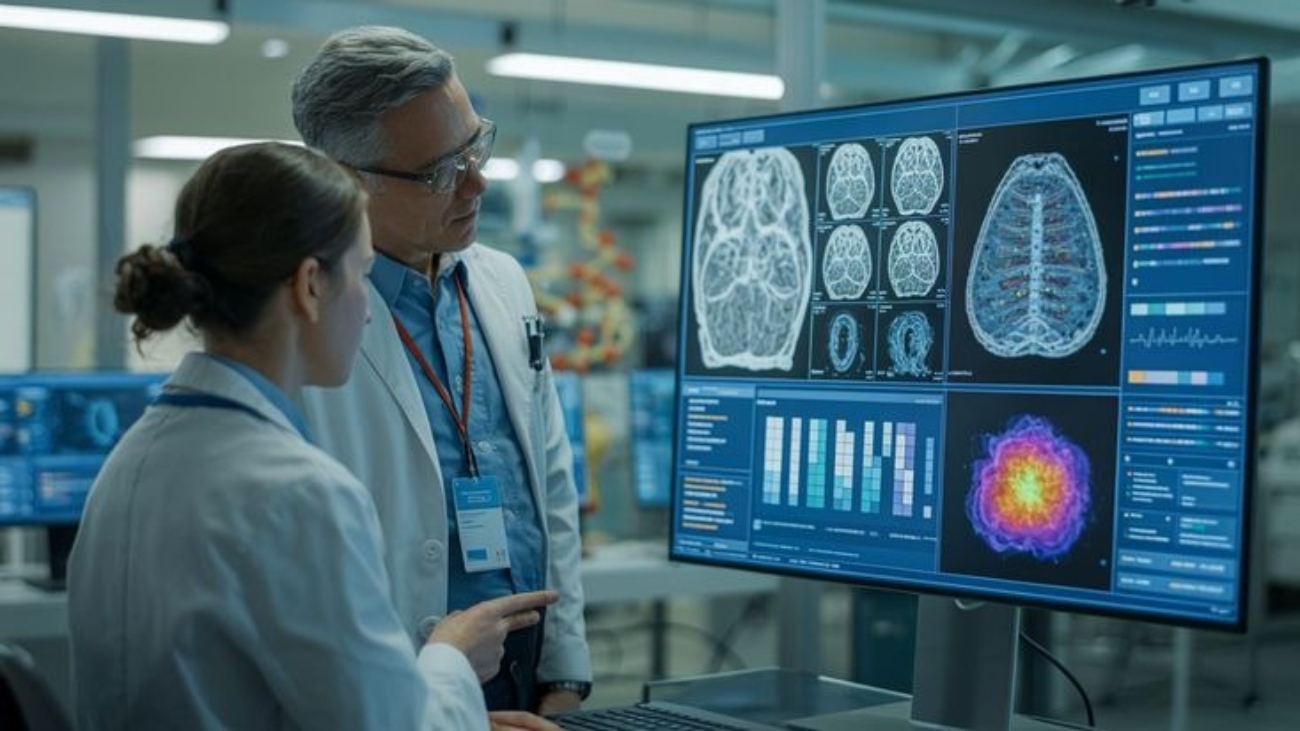
● MRI and CT brain imaging
● Cognitive and memory assessments
● Blood investigations
● Nerve conduction studies and EEG tests
Early detection allows doctors to understand the condition accurately and start
appropriate treatment plans without delay.
Why Early Diagnosis Is Critical

  1. Slows Disease Progression:
    Neurological conditions rarely appear overnight. They often begin with small, easily
    ignored changes, occasional forgetfulness, mild tremors, or unexplained fatigue. During
    these early stages, the brain and nervous system may still function well enough for
    treatment to slow or control disease progression. When patients seek medical advice
    promptly, doctors can introduce therapies that protect healthy nerve cells and help
    maintain normal functioning for a longer period.
    Early diagnosis allows healthcare to move from crisis management to preventive care.
    Instead of treating advanced complications, medical professionals focus on stabilizing
    symptoms and preserving independence. With timely intervention, patients often
    continue their daily routines, work life, and social activities with confidence, gaining
    valuable time to adapt while maintaining a better quality of life.
  2. Prevents Permanent Neurological Damage
    The nervous system is delicate, and once severe damage occurs, recovery can be
    limited. Many neurological conditions progress silently, affecting nerve pathways
    before noticeable disability appears. Early medical evaluation helps identify problems
    before irreversible harm develops, allowing doctors to intervene at a stage where
    recovery potential is much higher.
    For example, recognizing early signs of stroke or nerve dysfunction can significantly
    change outcomes. Immediate treatment can restore blood flow, reduce inflammation,
    and prevent lasting complications such as paralysis or speech difficulties. Seeking care
    early therefore becomes an act of protection safeguarding brain health and preventing
    lifelong challenges that may arise from delayed diagnosis.

Conclusion
Neurological conditions can deeply impact an individual’s life, but early diagnosis
offers a powerful opportunity for better outcomes. Timely detection allows doctors to
begin treatment sooner, prevent complications, and help patients maintain
independence and dignity.
Awareness, early symptom recognition, and professional medical evaluation are key to
protecting brain health. Seeking medical attention at the right time can make the
difference between disease progression and successful management.
At Anantam Hospital, the focus remains on compassionate care, advanced
diagnostics, and patient-centered treatment ensuring every individual receives timely
support for healthier neurological well-being.