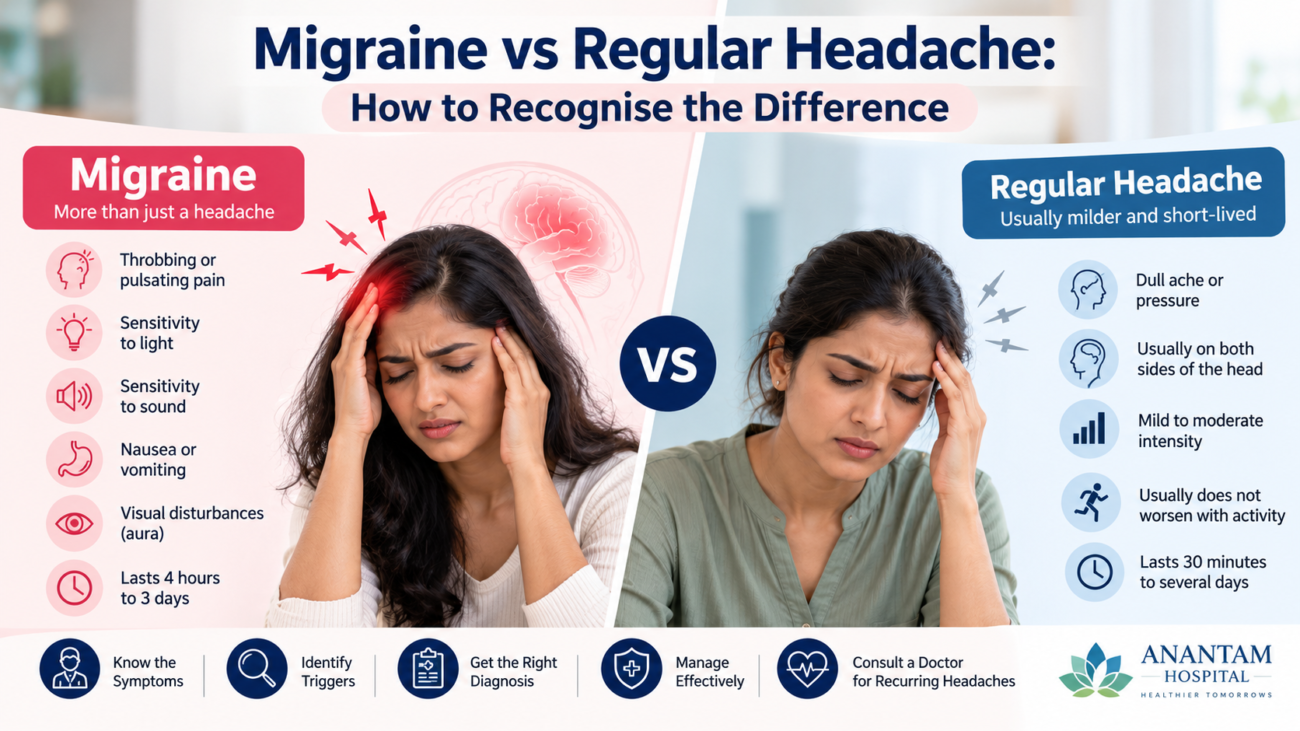
Migraine vs regular headache comparison showing differences in pain, light sensitivity, nausea, and other symptoms.

Migraine vs Regular Headache: How to Recognise the Difference

Headaches are a common occurrence for many individuals and they can have a significant negative impact on one’s activities. Some types of headaches are relatively minor, unlike others which could be intense with additional accompanying symptoms.

But how does one distinguish between a regular headache and a migraine?

Being aware of the causes and accompanying signs and symptoms can help in identifying whether one’s headache needs medical intervention.

What Is a Regular Headache?

The common headache or regular headache is generally a collective, umbrella term for all other types of headaches with mild or moderate pain. A tension-type headache is the most frequent type of regular headache, characterised by a feeling of pressure or discomfort around the head, forehead, temples or neck.

These are generally dull, non-throbbing headaches brought on by stress, insomnia, or neck muscle discomfort. A regular headache may not have severe nausea or other discomforts brought on by physical activity, but these signs and symptoms could still overlap in some people.

What Is a Migraine?

Migraine is a chronic neurological disease, characterised by episodes or attacks of intense and disabling headaches.

The pain from a migraine might be throbbing and/or pulsating, and it can begin anywhere in the head. It could also come with additional signs and symptoms such as and vomiting, sensitivity to light or sound, and visual abnormalities.

The attacks can last for several hours or even days, with each individual being susceptible to experiencing it anywhere from a few times a year to a dozen or more times a year.

Migraine vs Regular Headache: Comparison Chart

Comparison

These distinctions are not always cut-and-dry criteria, so it is vital not to attempt to self-diagnose. To identify what kind of headaches you are suffering from it is best to consult medical professionals.

Common Signs and Symptoms

Migraine symptoms are generally diverse, and could range from barely perceptible to severely incapacitating. Recognising patterns in one’s migraine attacks could help in identifying what is normal for that individual.

1. Throbbing, Pulsating Pain

The most typical symptom of migraine is a throbbing, pulsating, or pounding pain. Migraine pain can often be made worse by physical activity.

2. Sensitivity to Light or Sound

Migraine sufferers are generally sensitive to bright lights and loud noises. Some could even find that strong smells such as perfumes could trigger migraine attacks. A common coping mechanism is to rest in a dark and quiet room.

3. Nausea or Vomiting

Nausea and vomiting are generally incapacitating symptoms of migraine that interfere with daily activities.

4. Visual Disturbances

Some migraine sufferers experience visual disturbances called aura. There could also be other sensory problems such as numbness, balance issues, and difficulties with speech.

Fever, loss of vision, sudden weakness, confusion, seizures, and stiff neck are warning signs that demand immediate medical attention rather than waiting for a migraine.

5. Feeling Tired

Most people feel tired or sleepy before an attack or right after it. There might also be emotional or mental disturbances such as depression, irritability, or concentration problems.

What Are the Common Causes of Headaches and Migraines?

There are different causes and potential migraine triggers for everyone. Pay attention to what happens before you get a headache or migraine to monitor possible headache or migraine triggers. For example, if you tend to get migraines often after consuming too much caffeine or when you have a sleep deficit, it is wise to limit your intake or improve your sleep.

Common migraine triggers include:

  • Stress: Stress and anxiety could be a major contributor to headaches or migraine.
  • Lack of Sleep: Both lack of and poor quality of sleep could be headache triggers.
  • Dehydration: Not drinking enough water could potentially be a headache trigger.
  • Eating Meals or Fasting: Skipping meals could potentially be a headache trigger.
  • Bright Lights or Loud Noises: These could be potential migraine triggers for some people.
  • Changes In Hormones: Hormonal changes could potentially be a migraine trigger. It is common for women to get migraine attacks around their menstrual cycle.
  • Caffeine: Too much caffeine or reducing caffeine consumption could be a migraine trigger.

Maintaining a headache journal can help keep track of patterns and suspected possible migraine triggers, and thus, help in determining whether one needs to consult a medical professional about their headache or migraine.

How Can Headaches and Migraines Be Treated?

The appropriate treatment for headaches and migraine depends on several factors, including the type and severity of the headache, its effects on the individual’s lifestyle, and their medical history.

For instance, a tension-type headache can be treated with plenty of rest and ensuring good hydration, avoiding fasting, and getting good sleep. The recommended treatment for a migraine, on the other hand, could include medication for relief from attacks or preventive medication if the attacks are frequent and severe.

Preventive or attack medications could be recommended depending on the individual’s circumstances, the type and severity of their migraine, any coexisting medical conditions, and the drugs they are currently taking. Additionally, it is important not to take pain medications too often or in excessive amounts to prevent medication overuse from becoming an issue.

In addition to drug treatments, there are several nonpharmacologic measures that could be helpful in treating headaches or migraines.

1. Rest

It is necessary to get enough rest and plenty of fluids, especially if one is experiencing a headache or migraine.

2. Sleep

Sleep regularly and well to avoid sleep deprivation.

3. Cold Compress

Applying a cold compress could help reduce swelling and discomfort.

4. Heat Packs or Massages

Heat packs and massages are helpful in relaxing the muscles in the neck and shoulders.

5. Keep a Headache Journal

A headache journal will help keep track of the attacks, including the frequency, duration, intensity and any signs and symptoms, and the activities one was doing before the attack. This is useful in identifying possible migraine triggers so that those specific activities or substances could be eliminated or avoided.

It is necessary to consult a doctor if the headaches become frequent and severely impact day-to-day activities.

When Should One See a Doctor for Headaches or Migraines?

One should consult a medical professional if their headaches or migraines start to occur frequently or intensely. The same applies if they start to limit daily activities, or if they begin to experience migraine signs and symptoms that were previously not part of their regular migraine pattern, e.g., persistent nausea.

If the medication one is taking for their headaches or migraines begins to lose its efficacy, or is required more frequently, it is essential to consult a medical professional. Some individuals might not be able to access medication, in which case, they should consult a medical professional for advice.

One should seek emergency care if the individual experiences a sudden, very severe headache or one that develops over a short period of time, or if it is accompanied by other concerning symptoms such as weakness, tingling sensations, numbness, difficulty speaking, confusion, seizures, loss of vision, fever with a stiff neck, or following a severe head injury. These could be warning signs of an underlying life-threatening condition.

Conclusion

While migraine and tension-type headaches generally have overlapping triggers and symptoms, there are significant differences in terms of intensity and accompanying signs and symptoms. A regular headache is generally a dull discomfort, whereas migraine is generally characterised by severe throbbing pain, often accompanied by nausea, vomiting, and/or sensitivity to light and sound.

Knowing these differences can help in determining whether one should consult a medical professional for their headache. If one starts to get headaches more frequently, or if they are extremely severe or disabling, it is best to consult a qualified medical professional for an examination and appropriate treatment.

For health information and medical guidance, visit Anantam Hospital and view Anantam Hospital’s available services.

Medical disclaimer: This article is for general educational/informative purposes only and should not be used as a substitute for professional medical advice, diagnosis, or treatment. Always consult with your doctor or other qualified health care providers before using any of the information contained in this article.

Heart health tips for adults over 40 for better cardiovascular health

How to Keep Your Heart Healthy After 40: Essential Tips for a Stronger Heart

Turning 40 is an important milestone for your health. As we age, the risk of developing conditions such as high blood pressure, high cholesterol, diabetes, and heart disease can increase. However, adopting healthy habits and attending regular health checkups can help protect your heart and support long-term wellbeing.

Heart disease does not always cause noticeable symptoms in its early stages. This makes preventive care particularly important after 40. Understanding your risk factors, making informed lifestyle choices, and seeking medical advice when needed can help you maintain a healthier heart.

At Anantam Hospital, the Best Multispeciality Hospital in Kalyan, patients can access medical consultations, preventive health assessments, and cardiac evaluation to support better heart health at every stage of life.

Why Does Heart Health Matter After 40?

As people grow older, factors such as changes in blood vessels, long-term exposure to high blood pressure, elevated cholesterol, and changes in blood sugar can contribute to cardiovascular disease.

Family history, smoking, physical inactivity, unhealthy eating habits, excess alcohol consumption, and ongoing stress can further increase cardiovascular risk.

Age alone does not mean that heart disease is inevitable. Understanding your personal risk and taking preventive steps can make a meaningful difference.

  1. Eat a Heart-Healthy Diet

A balanced diet is one of the foundations of cardiovascular health. Choose a variety of vegetables, fruits, whole grains, beans, lentils, nuts, seeds, and other nutritious foods.

Include appropriate sources of protein and choose healthier fats, such as those found in nuts, seeds, and certain vegetable oils. Limit foods high in salt, added sugar, saturated fat, and trans fat, including frequent consumption of highly processed foods and deep-fried snacks.

In Indian households, simple changes can help. Choose whole-wheat roti, dal, vegetables, and salads more often, and moderate the amount of salt and oil used in cooking.

  1. Stay Physically Active

Regular physical activity helps support healthy blood pressure, cholesterol levels, blood sugar, and body function.

Adults should generally aim for at least 150 minutes of moderate-intensity aerobic activity per week, such as brisk walking, cycling, or swimming, alongside muscle-strengthening activities on two or more days per week, as appropriate for their health and fitness level.

If you have been inactive for a long time or have an existing medical condition, begin gradually and consult your healthcare professional if you are unsure which activities are suitable for you.

  1. Monitor Your Blood Pressure

High blood pressure is a major risk factor for heart disease and stroke. It often develops without obvious symptoms, so feeling healthy does not necessarily mean your blood pressure is normal.

Check your blood pressure at appropriate intervals, particularly if you have a family history of hypertension, diabetes, kidney disease, or previous elevated readings.

If your blood pressure is consistently high, your doctor may recommend lifestyle changes, medication, or both. Follow-up monitoring helps assess whether your treatment plan is working.

  1. Keep Cholesterol Levels in Check

Cholesterol is necessary for normal body functions, but unhealthy levels of LDL cholesterol can contribute to plaque buildup in the arteries. Over time, this can increase the risk of heart attacks and strokes.

A lipid profile measures cholesterol and other blood fats. Your doctor can advise when to get tested based on your age, family history, existing conditions, and overall cardiovascular risk.

A heart-healthy diet, regular exercise, avoiding tobacco, and prescribed medication when necessary can help manage cholesterol levels.

  1. Manage Blood Sugar and Diabetes

Diabetes can damage blood vessels over time and increase the risk of cardiovascular complications. People with diabetes may also have other risk factors, including high blood pressure and abnormal cholesterol levels.

After 40, discuss blood sugar screening with your healthcare provider, especially if you have a family history of diabetes, high blood pressure, excess abdominal fat, or other risk factors.

If you already have diabetes, follow your treatment plan and attend recommended checkups to monitor blood sugar and other cardiovascular risk factors.

  1. Avoid Smoking and Tobacco

Smoking damages blood vessels, promotes plaque formation, and increases the risk of heart attacks and strokes. Exposure to second-hand smoke can also be harmful.

Avoid cigarettes and other tobacco products. If you smoke, speak with a healthcare professional about support and strategies to help you quit.

Limiting or avoiding alcohol is also a sensible part of a heart-conscious lifestyle, as alcohol can contribute to high blood pressure and other health problems.

  1. Prioritize Sleep and Stress Management

Sleep and emotional wellbeing are important parts of overall cardiovascular health. Poor sleep and ongoing stress can make it more difficult to manage blood pressure, blood sugar, and other risk factors.

Try to maintain a consistent sleep schedule and aim for around seven to nine hours of sleep each night for most adults.

Relaxation techniques, hobbies, regular physical activity, and spending time with supportive people may help manage stress. If you regularly snore loudly, wake up gasping, or feel excessively sleepy during the day, discuss the possibility of a sleep disorder with your doctor.

8. Schedule Regular Health Checkups

Preventive health checkups can help identify cardiovascular risk factors before they cause noticeable symptoms.

Depending on your medical history and individual risk, your healthcare provider may recommend monitoring:

– Blood pressure – Cholesterol and other blood lipids – Blood glucose or HbA1c – Weight and other relevant health indicators – Kidney function, when appropriate

Not everyone needs the same tests at the same frequency. Your doctor can create a screening schedule based on your personal health profile. An ECG or other cardiac investigation may be recommended when clinically appropriate, but these tests are not necessary for every healthy adult simply because they have turned 40.

9. Know the Warning Signs of a Heart Attack

Even people who follow a healthy lifestyle can develop heart disease. Recognizing the warning signs of a heart attack is therefore essential.

Seek emergency medical help immediately if you or someone else experiences chest pressure, tightness or discomfort; pain spreading to the arm, shoulder, back, neck or jaw; shortness of breath; cold sweats; nausea; or sudden lightheadedness.

Heart attacks do not always cause severe chest pain, and symptoms can differ between individuals. Do not wait for symptoms to disappear before seeking help.

Heart Care at Anantam Hospital

At Anantam Hospital, patients can seek medical guidance for cardiovascular risk assessment, heart-related symptoms, and preventive health management.

As the Best Multispeciality Hospital in Kalyan, Anantam Hospital provides access to multidisciplinary healthcare services to support the early evaluation and management of conditions that may affect heart health.

If you have high blood pressure, diabetes, elevated cholesterol, a family history of heart disease, or concerns about your cardiovascular health, consult a qualified healthcare professional for personalized guidance.

Conclusion

Keeping your heart healthy after 40 does not require complicated changes. A balanced diet, regular physical activity, healthy sleep habits, avoiding tobacco, managing stress, and monitoring blood pressure, cholesterol, and blood sugar can all contribute to better cardiovascular health.

The most important step is to understand your individual risk and take preventive action before problems develop. Regular medical checkups and timely evaluation of unusual symptoms can help you make informed decisions about your heart health.

Take charge of your heart health today with preventive care and expert medical guidance at Anantam Hospital, Kalyan.

Medical Disclaimer: This article is for general health education and does not replace professional medical advice. Screening and treatment recommendations vary according to individual health conditions and cardiovascular risk. Seek emergency medical help if you suspect a heart attack.

meta title, description, geotagging keywords description, image alt, description, etc

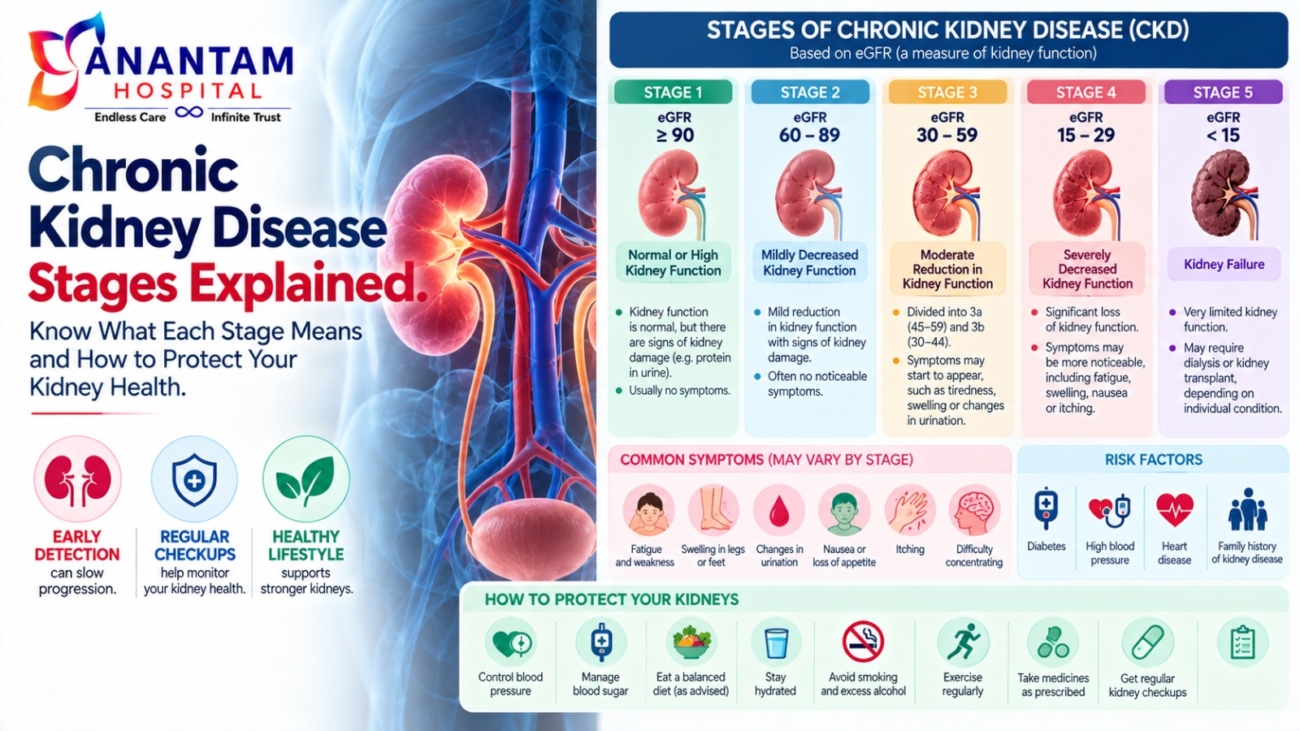
Stages of chronic kidney disease from G1 to G5 and declining kidney function

Chronic Kidney Disease Stages Explained: What Each Stage Means

Chronic kidney disease refers to a situation where the kidneys are damaged or unable to perform their normal function of eliminating wastes and extra fluids from the body. This disease can develop insidiously and may show mild symptoms at its early stages. Patients can therefore rely on blood and urine tests to support the diagnosis of chronic kidney disease. Stages of chronic kidney disease help patients understand their kidney function, manage their treatment, and know what to expect.

Chronic kidney disease has five stages and is defined by the underlying cause, the estimated glomerular filtration rate (eGFR), and the amount of albumin in the urine. The estimated glomerular filtration rate means an estimated of the percentage of kidney function. A patient’s physician will mostly analyze the eGFR trends instead of the exact figures. Chronic kidney disease mostly develops when there is a persistent abnormality in kidney function for a period of at least three months. Chronic kidney disease is diagnosed if there is a decrease in the eGFR or increased albumin in the urine.

Stage 1: Normal or High Kidney Function

In this stage, the eGFR is equal to or higher than 90%. There is also an increased risk of kidney damage, which may be evident from other health problems or tests. Although there may not be any symptoms because the kidney can perform its function efficiently, the doctor may try to identify and manage any underlying causes of chronic kidney disease. The physician may also advise the patient to periodically monitor their kidney function.

Even though the kidney function may be normal or near-normal, it does not mean that the kidneys are completely healthy. The patient should therefore continue to have regular checkups to ensure that kidney function does not change.

Stage 2: Mildly Reduced Kidney Function

Stage 2 chronic kidney disease is characterized by an eGFR between 60% and 89% and abnormal kidney function results. Most patients do not show symptoms as they do not show signs of complications. The physician can therefore advise periodic testing of albumin levels in the urine, blood pressure, blood sugar levels and kidney function to determine the risk of developing complications and to monitor the progression of the disease. The patient should also take precautions to prevent chronic kidney disease from getting worse since diabetes and high blood pressure are the leading causes of chronic kidney disease among adults.

Stage 3: Moderately Reduced Kidney Function

Stage 3 chronic kidney disease is further split into two categories. In stage 3a, the eGFR is between 45% and 59%. The eGFR for stage 3b is between 30% and 44%. The physician may advise that the patient continues to have their kidney function monitored because this stage can either progress rapidly or be slow. Patients may also begin to show symptoms of the disease, although some might remain asymptomatic. These symptoms may include fatigue, puffiness, and changes in the frequency or volume of urination.

The physician can also check for other complications associated with chronic kidney disease, including anemia, mineral imbalance, hypertension, and heart conditions.

Stage 4: Severely Reduced Kidney Function

Chronic kidney disease in stage 4 can be characterized by an eGFR of 15% and 29%. In this stage, the physician will closely monitor the patient’s kidney function and other possible complications since the risk increases. Patients who are in this stage can show more severe symptoms of chronic kidney disease, including fatigue, puffiness, changes in the amount of urine, nausea, vomiting, dry or itchy skin, muscle cramps, or difficulty concentrating. However, symptoms can vary depending on individual circumstances.

The physician can advise the patient to consider kidney transplant or dialysis options. It is however important to note that not all patients with stage 4 chronic kidney disease progress to the final stage.

Stage 5: Kidney Failure

Stage 5 chronic kidney disease corresponds to an eGFR of less than 15% and is characterized by kidney failure. Most patients with kidney failure require dialysis. However, kidney transplant can also be considered depending on the patient’s condition, symptoms, test results, general wellbeing, and the physician’s advice.

Why Is the Amount of Albumin in the Urine Important?

Chronic kidney disease staging is based on the cause, GFR, and the level of albumin in the urine. The Kidney Disease Improving Global Outcomes or KDIGO recommends classifying chronic kidney disease based on Cause, GFR category, and Albuminuria category. This grouping method is referred to as the CGA classification. Albuminuria is categorized into three levels, namely:

  • A1: Less than 30 mg/g of albumin – normal to mildly increased
  • A2: 30 – 300 mg/g of albumin – moderately increased
  • A3: More than 300 mg/g of albumin – severely increased

The levels of albuminuria support physicians to classify chronic kidney disease, determine the level of risk, and monitor the progression of the disease. It is therefore important to have regular urine tests to check the levels of albumin in the urine. Hence, the next time you visit the doctor, you should request for a kidney test instead of a routine kidney disease test.

Can Chronic Kidney Disease Progress to Kidney Failure?

Chronic kidney disease rarely progresses to kidney failure because its progression may be slow and can be stopped depending on an individual’s health status. Chronic kidney disease can only progress to kidney failure when the GFR declines drastically or if the test results worsen over time. Factors that can contribute to rapid progression of chronic kidney disease to kidney failure include the underlying cause of kidney disease, eGFR, albuminuria, diabetes, and high blood pressure.

Patients with chronic kidney disease should therefore regularly monitor their kidney function and adhere to the physician’s instructions.

How Is Chronic Kidney Disease Treated and Managed?

There is no standard treatment regimen for chronic kidney disease since it depends on the underlying cause, disease stage, and the patient’s general health. Chronic kidney disease patients should also work with their physicians to control the condition, regularly monitor their kidney function, manage their blood pressure and blood sugar levels, and minimize the risks of developing other diseases. The physician can also review the patient’s medications and recommend a suitable diet and lifestyle changes based on their disease severity, general health status, and other factors.

Patients with chronic kidney disease should not adjust their diet on their own because there is no universal diet that is suitable for all patients with chronic kidney disease. It is always important to consult a physician before making any drastic changes to your diet.

Who Should Have Kidney Function Tests Done?

Patients with diabetes, high blood pressure, or heart disease and those with a family history of kidney failure should consider getting their kidney function tested. Chronic kidney disease rarely shows symptoms when it develops, especially at the early stages. Hence, these patients should make sure they get their kidney function tested so that they can start managing the condition early.

Kidney Care at Anantam Hospital

Anantam Hospital offers comprehensive kidney care to patients who want to manage their chronic kidney disease by helping them understand their kidney testing results and managing their kidney disease. Patients can also benefit from regular consultations with a nephrologist to monitor their kidney function, determine risk factors, and develop a suitable treatment plan.

Final Remarks

Chronic kidney disease is not a disease with a uniform prognosis. Therefore, stages of chronic kidney disease from G1 to G5 give doctors a way to classify patients based on their kidney function. Doctors will analyze other factors, including the amount of albumin in the urine and the underlying cause of kidney disease. The most important point is to ensure that you get tested if you have heart disease, diabetes, high blood pressure, or a family history of kidney failure.

Medical Disclaimer: This article is meant for educational purposes only and should not be used as a substitute for advice from a qualified nephrologist. Chronic kidney disease stage and treatment options should be determined by a physician after relevant testing and evaluation.

Pregnancy care month-by-month guide at Anantam Hospital in Kalyan

Pregnancy Care Month by Month: A Guide for a Healthy Pregnancy

Pregnancy Care Month by Month: A Guide for a Healthy Pregnancy

Pregnancy is a journey that brings a range of physical, emotional, and hormonal changes. From the moment the pregnancy test is positive and till the moment the delivery is over, antenatal care is vital to check the mother’s and baby’s wellbeing, screen for possible complications and prepare the family for childbirth.

According to the WHO, regular antenatal contact should continue throughout pregnancy, starting with the first trimester. The frequency and timing could be determined based on the individual’s specific needs and risk factors identified with the obstetrician.

Below is the monthly pregnancy guide that could help you track your health and address your concerns.

Month 1: Confirming the Pregnancy

The first month is usually when the pregnancy is being confirmed, so scheduling an appointment with an Obstetrician and Gynecologist is essential. Consulting a specialist early in pregnancy allows the doctor to understand your medical history, medication prescriptions, and other existing conditions.

The doctor will also advise you on the required prenatal supplements and tests, like folic acid dose, which WHO recommends to take before conception or during the first few months of pregnancy. It is also a good time to ask questions related to nutrition, exercise, vaccination, and other discomforts or concerns you may have.

Month 2:Early Pregnancy Monitoring

The second month is usually when most women start feeling pregnancy-related discomforts like nausea, vomiting, tiredness, sore or sensitive breasts, and increased urge or frequency to urinate.

The Obstetrician may also recommend an early ultrasound, depending on the circumstances of your pregnancy. An ultrasound scan is suggested before the 24th week of pregnancy to determine the due dates, and the test timing could be individual, depending on the healthcare provider’s recommendations. However, WHO recommends that an ultrasound scan should be done at least once during pregnancy, preferably before the 24th week. If the morning sickness is severe or vomiting is persistent, the doctor may suggest fluid replacement or prescribe medication to control the symptoms.

Month 3:Completing First Trimester Care

By the third month, your pregnancy will be in its final stages of the first trimester. Your Obstetrician may ask you for tests related to blood pressure, blood group and Rh factor, and certain infection screening. WHO recommends that all pregnant women should be screened for HIV, syphilis, and hepatitis B as part of early antenatal care. Depending on your age, medical history, and pregnancy risk factors, your doctor may also advise genetic and chromosomal disease screening or testing.

During your visits, make sure to take the prenatal multivitamin and other supplements regularly and consistently, even if you feel well. You may also want to ask the Obstetrician to review your diet, exercise regime, and other prenatal vitamins or medication.

Month 4:Entering the Second Trimester

The fourth month is a transition period for pregnancy as most women start to feel less nauseous and energetic. Prenatal visits will continue to be regular and more frequent to monitor blood pressure, weight, overall wellbeing, and general health throughout pregnancy. Continuing to eat healthily and exercising regularly will also help you stay physically and mentally well during pregnancy. WHO recommends that a pregnant woman should engage in moderate physical activity throughout pregnancy. Your doctor may also talk to you about upcoming tests and ultrasounds.

Month 5:Monitoring the Baby’s Development

The fifth month is a crucial point in your pregnancy as most women start feeling the movement of the fetus. Your Obstetrician may schedule an anatomy scan to review your baby’s wellbeing, screen for any potential abnormalities, and estimate the pregnancy due dates. Depending on the doctor’s recommendation, the scan could be scheduled anytime between 18 until 22 weeks.

Make sure to have a regular antenatal check-up and bring up any concerns or discomforts you may feel along with the Obstetrician. Fetal movements should also be reviewed at every antenatal visit to assess how well the fetus is doing. Any persistent pain, discomfort, swelling, bleeding, or other concerns should also be brought up with the doctor.

Month 6:Screening and Preparing for the Third Trimester

By the sixth month, your pregnancy is entering the third trimester, and your Obstetrician may start focussing more on fetal wellbeing, foetal movement, and other indicators of a healthy pregnancy. One of the routine screening tests during this trimester is gestational diabetes screening, which is usually done between 24 until 28 weeks. WHO recommends that pregnant women should be screened for gestational diabetes during this period. The Obstetrician may also review your anemia risk and discuss your diet and supplements during the prenatal visit.

Month 7:Beginning the Third Trimester

The seventh month marks the beginning of the last pregnancy trimester. Appointments are now more centered around pregnancy and childbirth. The Obstetrician may also screen for pregnancy-related conditions, like preeclampsia and other risks identified with the prenatal tests and ultrasounds. Screenings are now more frequent to make sure that the fetus is growing at an appropriate rate and the mother is also doing well. It is also a good time to discuss your birth plan and wishes for postpartum care and breastfeeding with your Obstetrician.

Month 8:Closer Monitoring

The eighth month is the last before childbirth, and the Obstetrician will be reviewing your wellbeing, foetal wellbeing, foetal movement, and other concerns more frequently. If you have a high-risk pregnancy, more frequent tests and additional screening may be recommended by your doctor.

You may also want to start preparing your hospital bag, documents, and other equipment you may need after childbirth, as well as make arrangements to get to the hospital or birthing center.

Month 9:Preparing for Delivery

The ninth month is the final one before childbirth, and the Obstetrician will be reviewing your wellbeing, foetal wellbeing, foetal movement, and other concerns more frequently. If you have a high-risk pregnancy, more frequent tests and additional screening may be recommended by your doctor.

You may also want to start preparing your hospital bag, documents, and other equipment you may need after childbirth, as well as make arrangements to get to the hospital or birthing center.

Important Pregnancy Warning Signs

Pregnancy could have various symptoms and discomforts, and most are normal during this period. However, severe, unusual pain, bleeding, or any other severe symptoms should be reviewed by your Obstetrician. WHO advises Pregnant women to know the danger signs during pregnancy and seek appropriate care. Other warning signs during pregnancy include significant vaginal bleeding, severe abdominal pain or cramps, severe headaches or vision changes, high fever, difficulty breathing, sudden or significant swelling, and others. If you have any of these symptoms, especially in the third trimester, make sure to contact your doctor immediately.

Healthy Habits Throughout Pregnancy

Pregnancy care is not only about regular antenatal scans. Making sure you have a healthy diet and take all recommended supplements and prenatal vitamins, as well as get proper rest, avoid harmful substances, stay physically and emotionally well, have regular antenatal visits and screenings, and follow your Obstetrician’s advice regarding vaccination and other health and safety measures are important parts of a healthy pregnancy.

Medications and supplements should also not be discontinued or taken without a doctor’s consultation throughout your pregnancy.

Why Regular Antenatal Care Matters

Regular antenatal care allows the Obstetrician to check the mother’s wellbeing as well as foetal wellbeing and screen for any potential health concerns and address them accordingly. WHO recommends regular antenatal contact throughout pregnancy. It is important to make sure that any concerns or questions are addressed timely as a responsible Obstetrician will be able to guide you through the necessary procedures and preparations for childbirth. Every pregnancy is unique, and a month-by-month antenatal guide will help you stay prepared but is only a starting point for a personal pregnancy plan with the Obstetrician.

Pregnancy Care at Anantam Hospital

Anantam Hospital provides comprehensive maternity care to support expectant mothers throughout the pregnancy, delivery, and postpartum period. Regular consultations with the Obstetrician and Gynecologist will help you review your personal pregnancy plan and track your prenatal tests, screen for possible pregnancy complications and answer any questions you may have.

Conclusion

Pregnancy is a month-by-month journey of both the mother and the baby. Regular antenatal scans and tests, proper diet, exercise, rest, and obstetrical consultations are important parts of a healthy pregnancy. Make sure to follow your Obstetrician’s recommendations to address any concerns throughout your pregnancy. A month-by-month pregnancy guide is only a starting point for a personal pregnancy care plan with your Obstetrician.

Medical Disclaimer: This article is for educational purposes only and should not be considered medical advice. Please consult a qualified Obstetrician for any questions or concerns you may have regarding your pregnancy.

frequent nose bleeding

Causes of Frequent Nose Bleeding: When Should You Be Concerned?

Nosebleeds, medically known as epistaxis, are common and can happen to people of all ages. A nosebleed may occur suddenly and can sometimes look alarming, but most episodes are caused by minor irritation or dryness and stop on their own. However, if nosebleeds happen frequently, last longer than usual, or occur along with other symptoms, they should not be ignored.

Understanding the possible causes of frequent nosebleeds can help you identify when medical evaluation may be necessary. At Anantam Hospital, patients can receive comprehensive ENT evaluation and treatment for recurring nosebleeds and other nose, ear, and throat conditions.

Why Do Nosebleeds Happen?
The inside of the nose contains many small blood vessels close to the surface. These blood vessels can bleed easily when the nasal lining becomes dry, irritated, inflamed, or injured.

Most nosebleeds come from the front part of the nasal septum, where several small blood vessels meet. This type of bleeding is called an anterior nosebleed and is usually easier to control. Bleeding from deeper inside the nose is less common but can sometimes be more serious.

Common Causes of Frequent Nosebleeds
One of the most common causes is dry air. Low humidity can dry out the nasal lining, causing it to become irritated and more likely to crack and bleed. Air conditioning and indoor heating can also contribute to nasal dryness.

Nose picking or frequent rubbing of the nose can injure delicate blood vessels. Even repeated or vigorous nose blowing during a cold can irritate the nasal lining and trigger bleeding.

Allergies and nasal infections can also contribute. Conditions such as allergic rhinitis, sinus infections, and common colds may cause inflammation, congestion, sneezing, and frequent nose blowing, increasing the likelihood of nosebleeds.

Another possible cause is nasal injury or trauma. A blow to the nose, sports injury, or accidental impact can damage blood vessels and cause bleeding. If a nosebleed follows a significant injury, medical assessment may be necessary.

Certain medications can increase the likelihood or duration of bleeding. Blood-thinning medicines such as anticoagulants and antiplatelet drugs can make it harder for bleeding to stop. Some nasal sprays may also irritate the nasal lining when used incorrectly or excessively.

Deviated nasal septum may contribute to dryness and irritation in certain areas of the nose, potentially making nosebleeds more frequent.

In some cases, frequent nosebleeds may be associated with high blood pressure or problems affecting blood clotting. High blood pressure does not usually directly cause a typical nosebleed, but elevated blood pressure can sometimes make bleeding more difficult to control. Certain blood disorders or low platelet counts can also increase bleeding tendency.

Less commonly, recurring nosebleeds can be associated with abnormal growths or other conditions inside the nose. Persistent or one-sided bleeding, particularly when accompanied by nasal blockage or other symptoms, should be evaluated by an ENT specialist.

When Are Frequent Nosebleeds a Warning Sign?
An occasional nosebleed is usually not a reason for concern. However, you should consider medical evaluation if nosebleeds:

– Keep happening repeatedly without an obvious reason – Are difficult to stop – Continue for a prolonged period despite appropriate first aid – Are particularly heavy – Occur mainly from one side of the nose repeatedly – Are accompanied by unusual bruising or bleeding elsewhere – Occur after a significant injury – Are associated with weakness, dizziness, or difficulty breathing

Children with recurrent nosebleeds should also be evaluated if episodes are frequent, heavy, or affecting daily activities.

What Should You Do During a Nosebleed?
If your nose starts bleeding, sit upright and lean slightly forward. This helps prevent blood from flowing toward the back of the throat. Gently pinch the soft part of your nose continuously for about 10–15 minutes while breathing through your mouth.

Avoid tilting your head backward, as this can cause blood to flow down the throat.

If the bleeding does not stop after appropriate first aid, is very heavy, or you feel faint or unwell, seek urgent medical attention.

How Can Frequent Nosebleeds Be Prevented?
Keeping the nasal lining moist can help reduce irritation. Saline nasal sprays or other treatments recommended by a healthcare professional may be useful for people who experience nasal dryness.

Avoid picking or aggressively rubbing the nose, and blow your nose gently. Managing allergies and nasal infections appropriately can also reduce repeated irritation.

If you take medicines that affect blood clotting, do not stop them on your own because of nosebleeds. Discuss recurring bleeding with the doctor who prescribed the medication.

When Should You See an ENT Specialist?
Frequent or unexplained nosebleeds deserve professional evaluation. An ENT specialist can examine the nose to identify potential sources of bleeding and determine whether factors such as dryness, infection, nasal structure, medications, or another underlying condition may be involved.

Depending on the symptoms, your doctor may recommend a nasal examination, blood tests, imaging, or other investigations.

ENT Care at Anantam Hospital
At Anantam Hospital, patients can receive evaluation and treatment for recurring nosebleeds, nasal infections, allergies, sinus problems, and other ENT conditions. The hospital provides multidisciplinary medical care with access to specialist consultation and diagnostic services.

If you are experiencing frequent or unexplained nosebleeds, consulting a qualified ENT specialist can help identify the cause and guide appropriate treatment.

Most nosebleeds are caused by relatively minor factors such as dryness, irritation, allergies, infections, or nose picking. However, frequent or heavy nosebleeds should not simply be considered normal.

Knowing the possible causes and recognizing warning signs can help you seek medical attention at the right time. If nosebleeds keep returning, are difficult to control, or occur with other unusual symptoms, consult an ENT specialist for proper evaluation.

Medical Disclaimer: This article is intended for general health awareness and does not replace professional medical advice. If you experience heavy, prolonged, or recurrent nosebleeds, seek evaluation from a qualified healthcare professional.

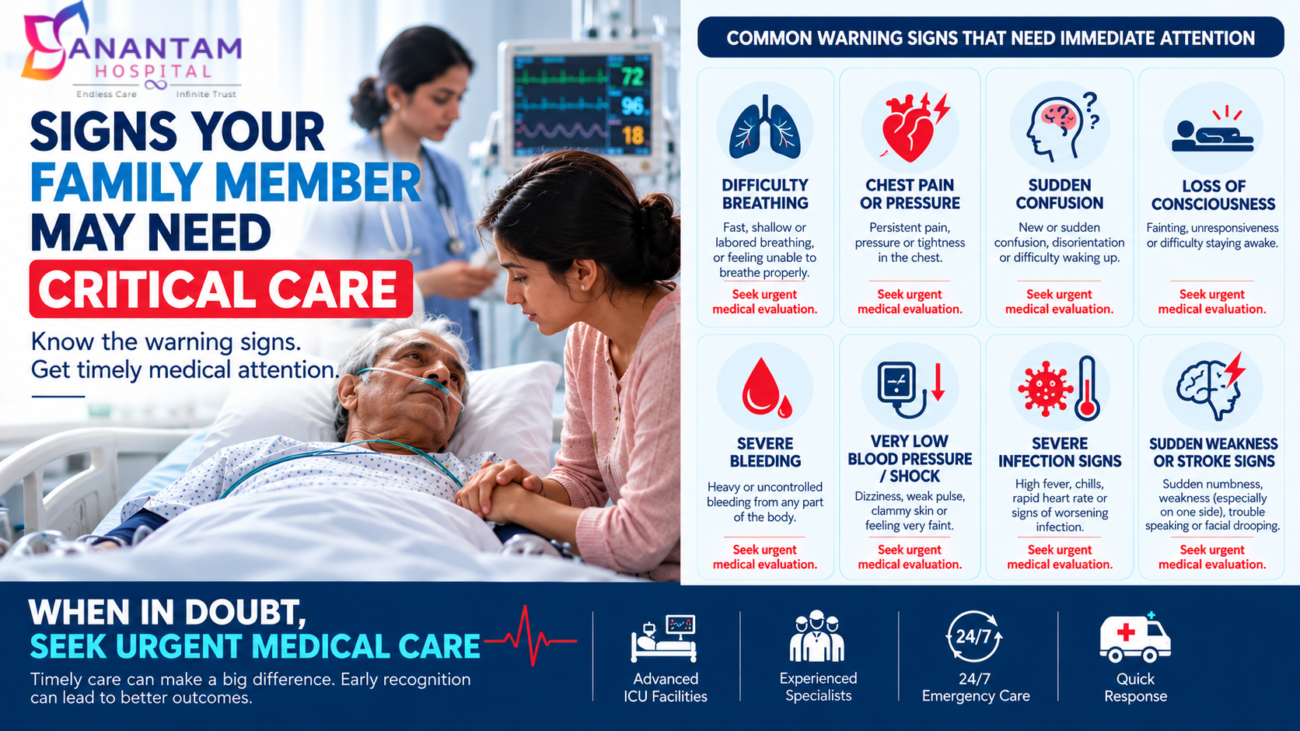
Doctor monitoring a patient in the ICU: signs of critical illness that need urgent care

Signs of Critical Illness: When a Family Member Needs ICU Care

When a person you care about suddenly feels unwell, it can be confusing to decide whether the situation can wait until morning or if it is an emergency. Recognizing the signs of critical illness is vital because it can mean the difference between receiving timely treatment and suffering a dangerous delay. Many families pause, hoping that the symptoms will calm down by themselves. This pause can cost precious time.

This guide explains the essential signs of critical illness how they may appear at home and what steps to take next. At Anantam Hospital in Khadakpada, Kalyan our critical care team collaborates with 24/7 emergency care to treat patients whose condition is serious or rapidly worsening.

What Is Critical Care?

Critical care is treatment for people who face life‑threatening illness or injury. It is provided in an intensive care unit (ICU) where doctors and nurses keep a close eye on breathing, heart rate, blood pressure and organ function. They can also support the body with oxygen, medicines and advanced equipment whenever it is required.

A patient may need critical care after a heart attack, a stroke, a severe infection a major accident, a serious breathing problem or complications that arise after surgery.

Key Signs of Critical Illness You Should Never Ignore

– Difficulty breathing: struggling for breath breathing fast unable to say a full sentence or noisy laboured breathing.

– Chest pain or pressure: pain, tightness or heaviness in the chest especially if it spreads to the arm, jaw or back or comes with sweating.

– Confusion or unusual drowsiness: confusion, disorientation hard to wake the person or unresponsiveness.

– Blue, pale or grey lips and skin: this can show that the body is not getting enough oxygen.

– Fast heartbeat, dizziness or fainting: especially if the person also looks pale, sweaty or has cold clammy skin.

– High fever with shivering or confusion: infection that spreads through the body (sepsis) can worsen quickly.

– Sudden weakness or a drooping face: weakness on one side slurred speech or trouble understanding speech may point to a stroke.

– Seizures: especially the first seizure, one that lasts more than a few minutes or repeated seizures.

– Severe bleeding or major injury: bleeding that does not stop with pressure or injuries from an accident or fall.

– Persistent Vomiting or very little urine: this may signal severe dehydration or organ stress especially in the elderly and children.

If you notice more than one of these signs of critical illness together or if a symptom is getting worse quickly do not wait.

Signs of Critical Illness in Older Adults, Children and Pregnant Women

Symptoms can look different depending on age and health.

– Older adults may not have a fever or obvious pain. New confusion, sleepiness, a sudden fall or refusing food and water can be early warning signs.

– Children may become unusually limp or difficult to wake breathe fast refuse feeds or have fewer wet nappies or less urine than normal.

– Pregnant women should seek care for severe headache, blurred vision, heavy bleeding reduced baby movements, breathlessness or seizures.

– People with long‑term conditions such as diabetes, heart disease, kidney disease or cancer can deteriorate faster so a lower threshold for seeking help is safer.

Ambulance or Emergency Department: What Should You Do?

If someone is unconscious struggling to breathe has chest pain, a seizure or heavy bleeding call an ambulance instead of driving them yourself. Trained staff can start care on the way and alert the hospital ahead of time. In India you can call 108 for an ambulance. Contact the hospital’s emergency number directly.

If the person is stable but you are worried for example a fever that will not go down or ongoing vomiting bring them to the emergency department for evaluation.

What to Do While Waiting for Help

Stay calm and keep the person in a comfortable position. Do not force them to eat or drink. If the person is unconscious but breathing lay them on their side. Apply firm, pressure to any bleeding with a clean cloth. Loosen clothing and keep the person warm. Keep a list of their medicines, allergies and medical conditions ready along with reports and prescriptions. Do not give medicines on your own unless a doctor advises it. Anyone trained in CPR should begin it if the person is unresponsive and not breathing normally while help is on the way.

– Stay calm. Keep the person in a safe comfortable position.

– Do not force them to eat or drink.

– If the person is unconscious but breathing lay them on their side.

– Apply firm, pressure to any bleeding with a clean cloth.

– Loosen tight clothing and keep the person warm.

– Keep a list of their medicines, allergies and medical conditions ready along, with reports and prescriptions.

– Do not give medicines on your own unless a doctor advises it.

What Happens in Critical Care?

When a patient arrives in critical care the medical team first steadies the breathing and circulation. Then the team looks for the reason for the illness using tests and scans. Treatment may involve oxygen support, ventilator support, medicines delivered through a drip close monitoring of signs and care from many specialists working together.

Families are kept informed about the patient’s condition and the treatment plan. It is normal to feel anxious. Asking questions to the care team helps families understand what is happening.

Critical Care at Anantam Hospital, Kalyan

Anantam Hospital, located in Khadakpada, Kalyan offers critical care, a trauma team, door‑step ambulance service, emergency operation theatres and 24‑hour emergency readiness under one roof. When minutes matter having emergency care, critical care and many specialists in one hospital helps avoid delays in treatment.

If you notice the signs of illness in a family member call the emergency team right away or bring the patient straight to the hospital.

Frequently Asked Questions

How do I know if my family member needs ICU care?

Severe breathing difficulty, chest pain, confusion, unresponsiveness, seizures, heavy bleeding or a worsening condition are reasons to seek emergency care right away. The doctors then decide whether ICU admission is needed.

Can high fever be a sign of critical illness?

A fever alone is often not serious. A high fever with confusion shivering, fast breathing or extreme weakness may point to a severe infection and needs urgent evaluation.

Should I take the patient to the hospital myself or call an ambulance?

For life‑threatening symptoms call an ambulance. Trained staff can start care on the way. If the person is stable you may bring them to the emergency department.

Is it better to wait and watch at home?

If symptoms are severe, sudden or worsening do not wait. Early treatment often leads to better outcomes.

Parent holding newborn baby with essential of newborn care guidance at Anantam Hospital

Essential of Newborn Care: A Guide for First-Time Parents

The birth of a child, despite the joy it brings to the parents who have longed for it, comes with its fair share of anxieties. New parents do not always feel prepared to cope with the responsibilities of childcare. However with the knowledge of the essential of newborn care, each phase becomes surmountable.

Key Aspects of Newborn Care: Feeding

Feeding is often the first order of the essential of newborn care, though it is an aspect in which there is no definitive answer.

Some of the basic rules include:

  • Breastfeeding or formula, both are valid options, and the most important is that the baby is well-fed and develops;
  • Frequency, a newborn may need to be fed every 2-3 hours throughout the day, including at night;
  • Hunger, the signs can be manifold, such as rooting for the breast, moving the lips, or putting their hands in their mouth, and not necessarily crying;
  • Burping, it is crucial to burp the baby after each feeding to avoid gas pains.

Sleep Basics for Newborn Care

The sleep of a newborn can be exhausting for the parents since, for the first few months, newborns do not sleep through the night.

Safety tips for essential of newborn care and sleep basics are:

  • Always put the baby to sleep on his back;
  • The mattress should be firm, without any bedding and soft toys;
  • It is safer to room share rather than bed share;
  • Newborns sleep, on average, 14–17 hours a day, albeit in segments.

Since the baby sleeps so little, the parents should also get their share of rest; asking a family member to help out while the parents sleep is a good idea.

Essential of Newborn Care: Umbilical Cord and Skin

The umbilical cord and the skin require special care, including keeping the navel dry and avoiding topical lotions and creams as much as possible.

Things to remember for the essential of newborn care in this category:

  • Keep the umbilical stump dry, changing the diaper so that it is folded below the navel until it is gone;
  • Sponge Baths, until the navel is gone;
  • Skin Conditions, normal occurrences, such as rashes and patches, and baby acne should be ignored;
  • Lotions and creams, are not recommended due to the sensitivity of the skin.

Essential of Newborn Care: Diapering

For the first few months of an infant’s life, parents must change a baby’s diaper many times a day. In the case of essential of newborn care, some things to remember are:

  • Frequency, a baby can soil 8-10 times a day;
  • Stool consistency, can vary greatly in the first few days;
  • Diaper rash prevention, frequent checks are necessary and the bottom should be exposed to air where possible;
  • When to see a doctor, fewer wet diapers than normal should be brought up to the pediatrician, as well as stools of an abnormal color.

Essential of Newborn Care: When to See a Doctor

Although there are lots of normal conditions in the first few months of a child’s life, there are red flags that require urgent attention from a medical professional.

Those include:

  • Fever, especially in children under 3 months old;
  • Poor feeding;
  • Excessive crying;
  • Yellowish eyes and skin;
  • Difficult breathing.

Essential of Newborn Care: Shots and Vaccinations

One of the most overlooked parts of essential of newborn care, in the early stages, is keeping track of shots and vaccinations.

The pediatrician will explain the vaccination schedule and recommend the most appropriate option; usually, vaccines begin shortly after birth and continue until the child reaches 6 months of age. Although one dose is not a big problem, it is better not to miss any.

Essential of Newborn Care: Bonding and Comfort

Besides the practical parts mentioned in the essential of newborn care, bonding with the baby is critical.

The following activities have proven to be helpful in building a connection:

  1. Skin-to-skin contact;
  2. Rocking or swaying as a means to calm the baby;
  3. Talking or even singing to the child;
  4. Swaddling securely;
  5. Consistent response to a baby’s cries helps to build trust.

Essential of Newborn Care: Self-Care

New parents often neglect their own comfort in the first few weeks of their child’s life. Taking care of the baby, and especially breastfeeding, can be physically and emotionally draining. This is why it is essential to take advantage of any help offered.

Essential of Newborn Care: Remember, You Are Human Too

Remembering that learning the essential of newborn care is a process that happens over time helps to be patient and not put undue pressure on yourself. Asking for advice from experienced family members and parents is helpful. If you feel physically or emotionally uncomfortable, contacting a doctor is always an option.

In case of any queries regarding feeding, sleep, or other matters in these initial weeks, there’s no need to wait until your next appointment. Anantam Hospital, known as the best multispeciality hospital in Kalyan west, provides specialized Pediatric and Obstetrics & Gynaecology services to assist you with newborn care and your postpartum recovery.

blog2

WHAT WE TREAT &  HOW WE CARE

Walking into a hospital for the first time can feel overwhelming. Big words, many departments, and unfamiliar procedures often leave people confused. Anantam Hospital in Kalyan aims to change that experience by making healthcare approachable, understandable, and patient-focused.

At its core, Anantam Hospital is a multispecialty hospital, which means it offers treatment for many different health conditions — all under one place. Instead of running from clinic to clinic, patients can find doctors, diagnostics, treatment, and recovery support in one place.

Let’s understand our key services in a simple and clear way.

Cardiology – Care for the Heart

The cardiology department focuses on heart health. If someone experiences chest pain, breathlessness, irregular heartbeat, or high blood pressure, this is where they are treated.

Our services include:

  • Heart check-ups and evaluations
  • Diagnosis of heart problems using ECG, echo, and other tests
  • Treatment for conditions like blocked arteries, heart weakness, and heart rhythm issues

The goal is not only to treat heart disease but also to prevent future problems through early detection and lifestyle guidance.

Neurology – Brain, Spine & Nerve Care

Neurology deals with the brain, spinal cord, and nerves — which control movement, memory, speech, and sensations.

This department helps patients with:

  • Stroke care and recovery
  • Headaches, seizures, and dizziness
  • Nerve pain, weakness, or numbness
  • Brain and spine-related conditions

 Neurological care combines advanced imaging, accurate diagnosis, and expert medical support, helping patients regain function and quality of life.

Gastroenterology & Endoscopy – Digestive Health

Digestive issues are common but often ignored. This department focuses on the stomach, intestines, liver, and digestive system.

Services include:

  • Treatment for acidity, ulcers, constipation, and stomach pain
  • Liver and gallbladder disorder management
  • Endoscopy procedures, which allow doctors to look inside the digestive tract using a small camera

These services help identify problems early and treat them effectively, improving daily comfort and nutrition.

Nephrology & Dialysis – Kidney Care

Kidneys help remove waste from the body. When they don’t function properly, patients may need specialist care or dialysis.

 Service includes:

  • Diagnosis and treatment of kidney diseases
  • Blood pressure and diabetes-related kidney care
  • Hemodialysis for patients with kidney failure

The dialysis unit is designed to be safe, hygienic, and supportive, making long-term treatment more comfortable for patients.

 Orthopaedics – Bones, Joints & Movement

This department focuses on bones, joints, muscles, and injuries.

It helps patients with:

  • Joint pain and arthritis
  • Fractures and trauma care
  • Knee and hip replacement surgeries
  • Back pain and mobility issues

The aim is to reduce pain, restore movement, and help patients return to their daily activities confidently.

Pediatrics – Care for Children

Children need special care, and the pediatric department ensures that infants, toddlers, and teenagers receive age-appropriate treatment.

Services include:

  • Newborn and child health check-ups
  • Treatment for infections, fever, and growth issues
  • Vaccinations and preventive care

Doctors here focus on both physical health and emotional comfort, making the hospital experience less frightening for children and parents.

Infertility & IVF Services – Support for Parenthood

For couples facing difficulty in conceiving, Anantam Hospital provides fertility and IVF services.

These services include:

  • Fertility assessments for both partners
  • Hormonal treatments and assisted reproductive techniques
  • Emotional and medical guidance throughout the journey

The approach is respectful, private, and supportive — understanding that fertility care involves both medical science and emotional strength.

Diagnostics & Laboratory Services – Accurate Testing

Correct treatment starts with correct diagnosis. Anantam Hospital has advanced diagnostic and lab facilities that help doctors understand a patient’s condition clearly.

These include:

  • Blood tests and pathology services
  • Imaging such as X-rays, scans, and ultrasounds
  • Health packages for preventive check-ups

Fast and accurate reports help in early detection and timely treatment.

Emergency & Critical Care – When Time Matters Most

In emergencies, every second counts. The emergency and critical care unit is available 24/7 to handle serious conditions such as:

  • Accidents and trauma
  • Heart attacks and strokes
  • Severe infections or breathing problems

A trained medical team and advanced equipment ensure immediate response and continuous monitoring.

Preventive & Supportive Care

Anantam Hospital believes in preventing illness, not just treating it. Additional services include:

  • Regular health check-ups
  • Vaccination programs
  • Home healthcare support for recovery

These services help patients stay healthy even after leaving the hospital.


Anantam Hospital is not just a place for treatment — it is a place where:

  • Health is explained clearly
  • Patients are treated with dignity
  • Care continues beyond discharge

For anyone new to healthcare or visiting a hospital for the first time, Anantam Hospital makes the journey easier, safer, and more human. From preventive check-ups and accurate diagnostics to advanced treatments and emergency care, we focus on timely intervention and long-term well-being. Whether it is managing chronic conditions, supporting critical emergencies, or guiding patients on their journey to better health, we ensure that no one feels alone in the process.

blog3

A THOUGHTFULLY DESIGNED HEALTHCARE DESTINATION ANANTAM

Imagine entering a hospital and immediately feeling reassured. At Anantam Hospital, Kalyan, this is the standard. From the welcoming reception to the thoughtfully designed treatment areas, every aspect of the facility is created to make healthcare a seamless and compassionate experience.

Consider a patient visiting for a routine check-up. Instead of a hurried consultation, they encounter medical professionals who listen attentively, explain clearly, and guide patients through every step, ensuring clarity, confidence, and comfort. For those undergoing complex procedures, the hospital provides not only advanced clinical care but also emotional support, coordinated follow-ups, and personalized attention, making the entire healthcare journey smooth and reassuring.

Centrally located in Kalyan, the hospital serves as a trusted healthcare partner for families and communities, delivering holistic care that addresses physical, emotional, and long-term wellness.

At Anantam Hospital, compassionate care and clinical excellence go hand in hand. While every patient is welcomed with warmth, empathy, and personalized attention. This unique approach ensures that patients not only receive accurate diagnoses and effective treatments but also feel supported, informed, and confident throughout their healthcare journey. It is this balance of human connection and medical expertise that defines Anantam Hospital’s vision of healthcare—where every decision, every service, and every interaction is designed to restore hope, build trust, and elevate the standard of care.

OUR VISION DESIGNED FOR TOMORROW’S NEEDS

Anantam Hospital has been envisioned in response to a fundamental shift in how healthcare must function in modern communities. As medical needs grow more complex and patient expectations continue to evolve,

The hospital’s long-term outlook focuses on creating a resilient healthcare model—one that adapts to changing disease patterns, advances in medical science, and the social realities of the community it serves. This forward-thinking vision positions Anantam Hospital as an institution built not only for the present, but for the decades ahead.

A key element of OUR vision is the creation of a seamless and coordinated healthcare journey. Fragmented care often leads to delays, confusion, and unnecessary stress for patients. To address this, the hospital is structured to encourage collaboration across departments, enabling smoother transitions from diagnosis to treatment and recovery.

Expanding the Role of Hospitals Beyond Treatment

Anantam Hospital is built on the belief that the role of a hospital should not begin with illness nor end with discharge. In today’s world, where lifestyle-related conditions, stress-induced disorders, and preventable diseases are on the rise, healthcare institutions must evolve into active partners in long-term health management. Anantam Hospital’s vision reflects this shift—reimagining hospitals as centres of guidance, education, and sustained well-being.

 The hospital aims to become a health knowledge hub—a space where individuals seek advice, clarity, and direction for maintaining good health throughout their lives. This perspective positions healthcare as a continuous journey rather than an episodic experience.

Emphasis on Preventive and Predictive Care

A key component of this expanded role is a strong focus on preventive healthcare. Anantam Hospital envisions encouraging regular health assessments, screenings, and risk evaluations to identify potential issues before they develop into serious conditions. By prioritizing prevention, the hospital aims to reduce avoidable hospitalizations and improve overall quality of life.

In addition to prevention, the hospital recognizes the importance of predictive care—using medical insights, diagnostics, and patient history to anticipate future health risks

Empowering Patients Through Health Education

Anantam Hospital views informed patients as healthier patients. One of its long-term goals is to promote health literacy, enabling individuals to understand their bodies, conditions, and treatment options more clearly. Through consultations, awareness initiatives, and educational outreach, the hospital seeks to equip patients with the knowledge needed to make confident health decisions.

Supporting Lifestyle and Behavioural Health

Modern health challenges often stem from lifestyle patterns rather than acute illness alone. Anantam Hospital’s expanded vision includes addressing factors such as nutrition, physical activity, sleep habits, and stress management as part of comprehensive care.

.Continuity of Care Beyond Hospital Walls

Another important aspect of this broader vision is continuity of care after discharge. Anantam Hospital aims to ensure that recovery and management continue well beyond a hospital stay through follow-ups, monitoring, and coordinated outpatient support.

This approach helps patients transition smoothly back into daily life while maintaining medical oversight, reducing complications and readmissions. It reflects the our intent to remain engaged in a patient’s health journey even after acute treatment has concluded.

Building a Health-Conscious Community

Anantam Hospital’s vision extends to fostering a culture of health within the wider community. By participating in awareness campaigns, health programs, and educational initiatives, the hospital seeks to contribute to a more informed and proactive society.

Investing in Medical Excellence and Continuous Learning

Another important aspect of Anantam Hospital’s vision is its commitment to continuous improvement and medical excellence. Healthcare is a rapidly evolving field, and the hospital recognizes the importance of staying aligned with new clinical standards, technologies, and treatment methodologies.

Reimagining the Patient Experience

At Anantam Hospital, the patient experience is designed as more than just a medical visit—it is a comprehensive journey. From the moment someone walks through the doors, the hospital emphasizes ease, clarity, and support. Every touchpoint, from registration and diagnostics to consultation and follow-up, is planned to reduce stress and create a sense of confidence.

Patient comfort extends to both the physical environment—spacious, hygienic, and calming spaces—and the emotional environment, where staff are trained to listen, reassure, and guide.

Integrated Multispeciality Care.

Instead of siloed departments, the hospital encourages cross-specialty communication, so patients with complex or multiple conditions can have a single, unified treatment plan. This integration saves time, reduces redundancy, and ensures that decisions are made with a full understanding of the patient’s health picture.

Advanced Diagnostics for Faster, Accurate Treatment

Recognizing that timely and accurate diagnosis is the backbone of effective treatment. From imaging and lab tests to advanced screening technologies, the hospital ensures that every patient receives precise evaluation.

Fast, reliable diagnostics enable doctors to tailor treatments quickly and monitor progress closely, reducing uncertainty and improving outcomes. This capability aligns perfectly with the hospital’s vision of proactive, preventive, and personalized healthcare.

Holistic Wellness Beyond Illness

Anantam Hospital is not just about treating disease—it’s about building wellness into everyday life. The hospital integrates lifestyle management, nutrition guidance, physiotherapy, mental health support, and preventive programs into its services.

Emergency and Critical Care Excellence

A hospital’s impact is often measured in urgent moments, and Anantam Hospital is prepared to handle emergencies and critical care with speed and precision. Its 24/7 emergency department, fully-equipped ICUs, and rapid response teams ensure that patients receive immediate, life-saving care.

Community-Centric Healthcare

Anantam Hospital sees itself as an integral part of the Kalyan community. Its mission is to bring quality healthcare closer to home,

Beyond clinical services, the hospital plans to engage with the community through health camps, awareness drives, preventive screenings, and wellness workshops. By doing so, it aims to promote health literacy, preventive care, and early intervention—a proactive approach that benefits everyone in the region.

Ethical, Transparent, and Accessible Care

One of the pillars of Anantam Hospital’s vision is ethics and transparency. Every patient interaction is guided by honesty, clear communication, and accountability.

Treatment recommendations are based on medical necessity rather than commercial considerations, and costs are communicated openly to avoid surprises. Accessibility is another focus, ensuring that high-quality healthcare is within reach for all segments of the population, not limited to a few.

Technology as a Tool for Human-Centred Care

While the hospital leverages modern medical technology, the emphasis is always on enhancing human care, not replacing it. Digital patient records, advanced diagnostics, and innovative treatment tools are used to improve efficiency, safety, and precision—but always in service of better human experiences and outcomes.

Preparing for the Future of Healthcare

Anantam Hospital is forward-looking, designed to adapt to emerging health trends and challenges. Whether it is integrating new treatment modalities, expanding specialized services, or addressing lifestyle-related illnesses, the hospital’s vision is to stay ahead of evolving community needs.

In the heart of Kalyan, Anantam Hospital is more than a place to heal—it is where hope takes shape and care becomes a promise. Every corridor, every consultation, every procedure reflects a commitment not just to medicine, but to the people who place their trust in it. Here, cutting-edge technology meets the wisdom of experienced specialists, creating a seamless blend of precision and empathy.

At Anantam, healthcare is not limited to curing illness—it is about understanding each individual’s journey, addressing every worry, and guiding every patient with patience, compassion, and expertise. From prevention to treatment, from education to community wellness initiatives, the hospital’s mission is holistic: to nurture healthy bodies, informed minds, and confident spirits.

Every life is treated with respect, every story is valued, and every moment of care is delivered with unwavering dedication. For Kalyan and its neighbouring communities, Anantam Hospital is more than a medical center —it is a sanctuary of trust, a beacon of hope, and a steadfast partner in the pursuit of lasting wellness.