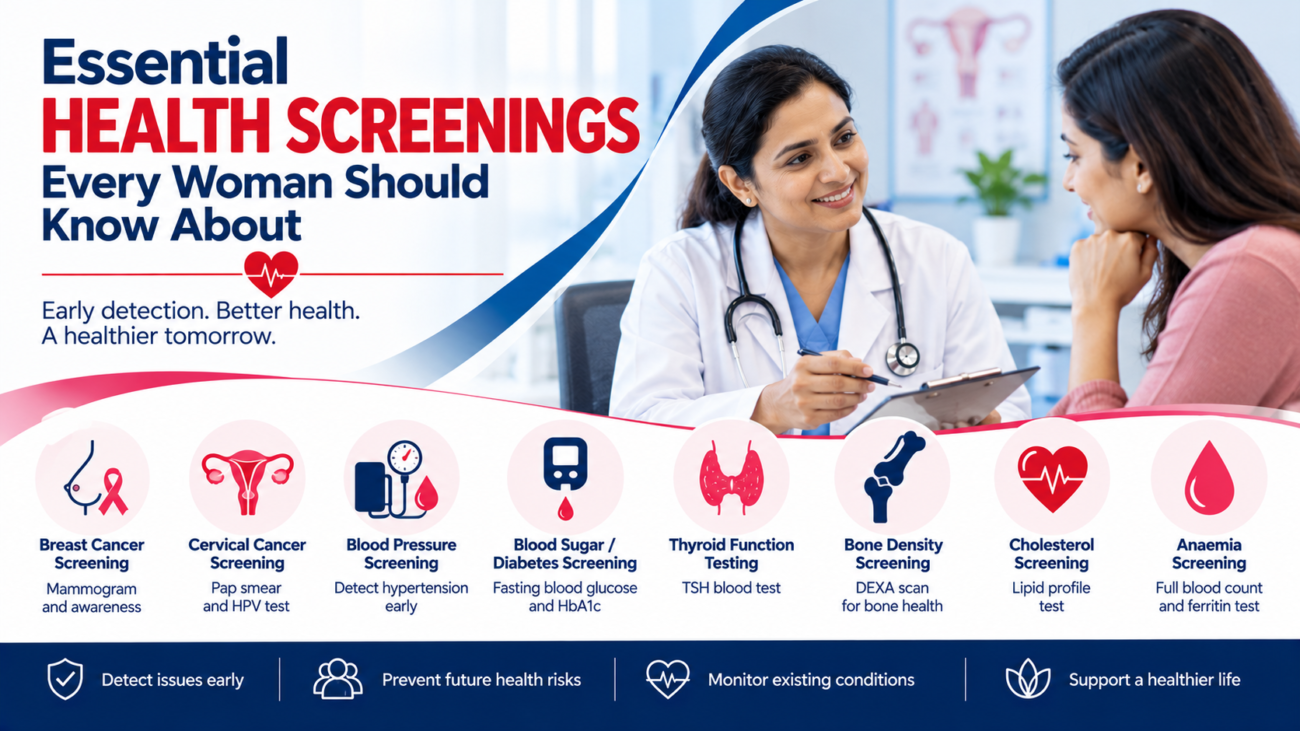
Regular women’s health screening is an important part of preventive healthcare. It helps detect potential health conditions before noticeable symptoms develop. From reproductive health and hormonal conditions to heart health and cancer prevention, regular screenings help women make informed decisions about their well-being.
Understanding the essential health screenings recommended at different stages of life can help women take better care of their health.
- Breast Cancer
Breast cancer screenings can detect any suspicious changes in breast tissue.
A mammogram is a common test used to screen for breast cancer. Speak to your doctor about when you should start to have these scans based on your age, family history and risk. Being aware of any changes in your breasts such as lump, discharge from the nipple and any changes in the appearance of your breasts is also important.
- Cervical Cancer
Cervical cancer can develop gradually and you may not have any noticeable symptoms in the early stages.
The most common tests are:
Pap smear – To detect any abnormal cells in your cervix.
HPV test – Identify high risk Human Papilloma Virus infections.
Speak to your doctor about which tests you should be having and how often based on your age, medical history and previous results.
- Blood Pressure
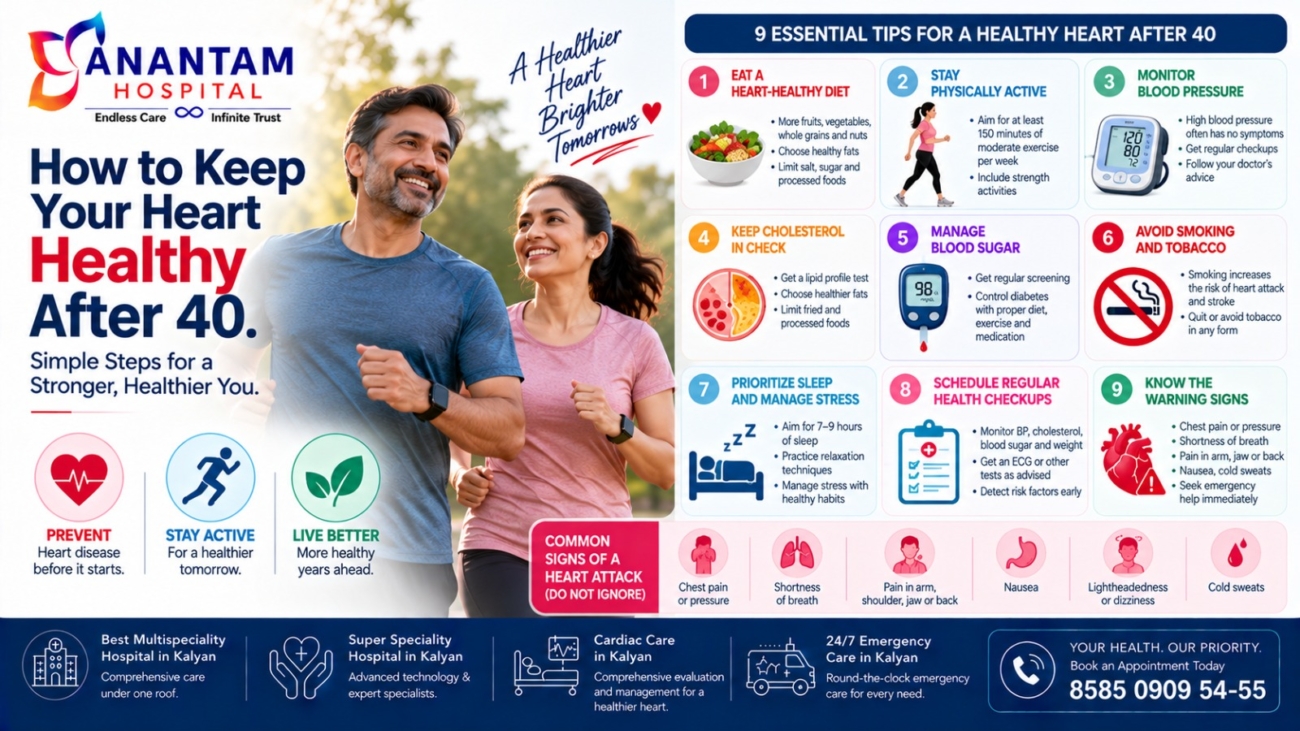
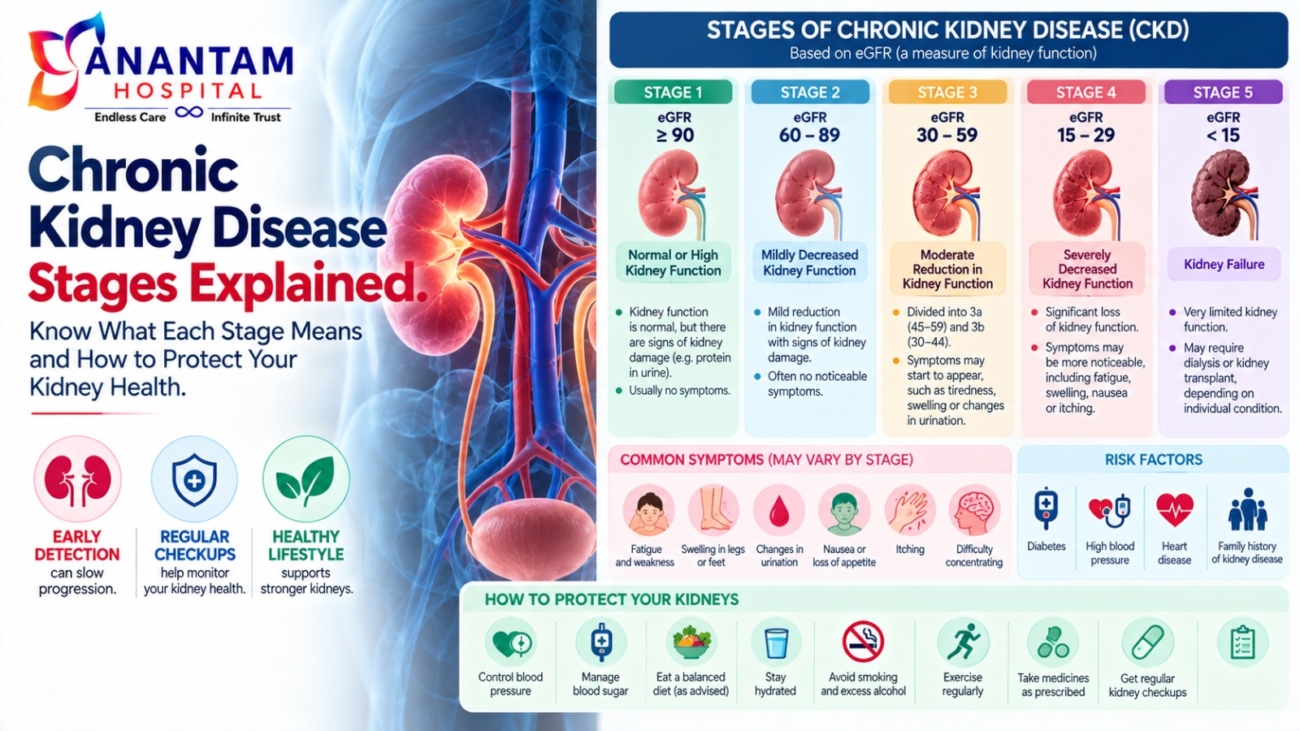
High blood pressure can develop without any obvious symptoms but can increase risks of heart disease, stroke and kidney issues.
Regularly monitoring your blood pressure can help detect any hypertension. If you have diabetes, family history of hypertension or have other risk factors you may need to have these checked more regularly.
- Blood Sugar / Diabetes
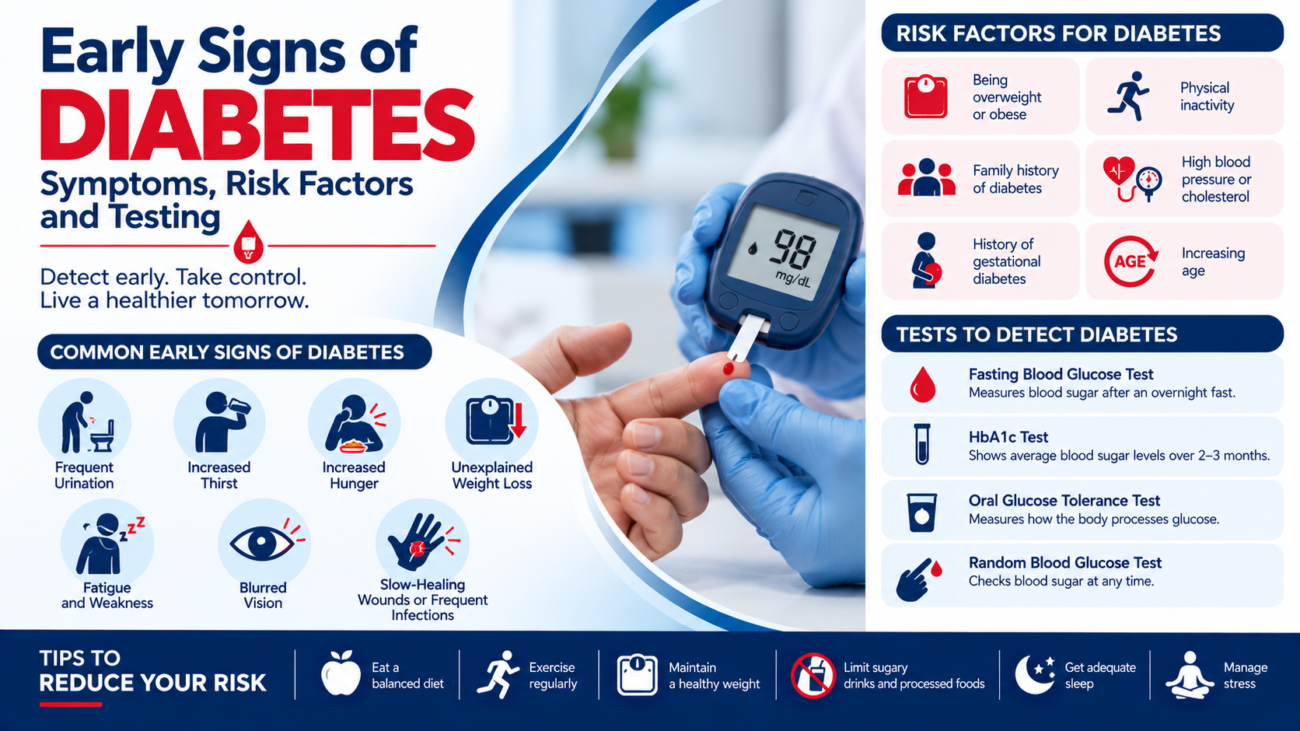
Women can develop diabetes without any noticeable symptoms. Checking your blood glucose can help detect any abnormal levels and identify risks of type 2 diabetes.
The most common tests are the fasting blood glucose and HbA1c.
These are particularly important to have if you have obesity, family history of diabetes, a history of gestational diabetes or conditions such as PCOS.
- Thyroid Function
Thyroid issues are fairly common in women and can affect your metabolism, energy levels, periods and reproductive health.
The TSH blood test is a common test to look at thyroid function. Further tests may be suggested based on your results and symptoms.
If you are experiencing unexplained weight changes, tiredness, hair loss and irregular periods you should seek medical advice.
- Bone Density
Women (especially post-menopause) may see a decrease in bone density due to hormonal changes increasing the risk of osteoporosis and fractures.
A bone mineral density test (often a DEXA scan) can help determine bone strength.
Based on your age, whether you are post-menopausal, if you have had any fractures and risk factors your doctor may recommend you have screening.
- Cholesterol
High cholesterol can lead to heart disease.
A lipoprotein profile is a test to detect different types of cholesterol and triglycerides in your blood. Having regular tests can aid in detecting any cardiovascular risks. If needed lifestyle changes or treatment can be put in place.
- Anaemia
Women can suffer from iron deficiencies and anaemia. Especially those who have heavy periods, deficiencies and those with iron requirements during pregnancy.
Having a full blood count can help identify any issues with your haemoglobin levels and determine if you may be anaemic. Further tests like ferritin may be recommended.
Common symptoms include tiredness, feeling weak, dizziness and pale skin.
Why are regular health screenings important?
Regular preventative health screenings can help:
Detect any issues early.
Ensure you get diagnosed and treated quickly.
Monitor any existing medical conditions.
Identify any risk factors for future complications.
Encourage healthy lifestyle choices.
The right screenings will depend on your age, family history, lifestyle, reproductive health and existing medical conditions.
FAQ
- What age should women start regular health screening?
Adult women can start having regular preventative healthcare. Some tests have specific recommendations for when you should start (such as cervical cancer). Other tests will depend on your individual risk factors and medical history.
- What health tests should women have yearly?
Blood pressure and general health checks may be recommended. Blood sugar, cholesterol, thyroid and other tests will depend on your individual health.
- Should I have regular health screenings if I feel well?
Yes. Some conditions can develop without any noticeable symptoms such as high blood pressure, diabetes and certain cancers. Having the right screening can help detect any issues early.
- Should women have extra screenings after menopause?
Women post menopause may need extra attention to their bone health, cardiovascular risk and cancer screenings. Speak to your doctor about what tests would be most suitable.
Health is important!
Having regular health screenings can be an important part of your preventative healthcare. Knowing what your body needs, having the recommended check ups and seeking medical advice when you have symptoms can help protect your health throughout your life.
At Anantam hospital women can find out what healthcare options are available and speak to qualified medical professionals. They can help identify the right health checks for you.
Your health is important! Make sure you are having regular check ups.
Medical Disclaimer: The information in this article is for general education purposes only. Recommendations for screening will depend on your individual health and medical history. Speak to a qualified healthcare professional for personalised advice.