Angioplasty Treatment in Kalyan

What is Angioplasty? Everything You Need to Know

Heart disease remains one of the leading causes of death worldwide, and one of the most common reasons behind heart attacks is the narrowing or blockage of the coronary arteries. These arteries supply oxygen-rich blood to the heart muscle, and when blood flow is restricted, it can lead to chest pain, breathlessness, or even a life-threatening heart attack. Fortunately, advancements in medical science have made it possible to restore blood flow quickly through a minimally invasive procedure known as angioplasty.

If you or a loved one has been advised to undergo angioplasty, it is natural to have several questions about the procedure, its benefits, recovery process, and long-term outcomes. Understanding how angioplasty works can help reduce anxiety and prepare you for a smoother treatment journey.

At Anantam Hospital, recognized as the Best Multispeciality Hospital in Kalyan, our experienced cardiologists, state-of-the-art cardiac care unit, and advanced catheterization laboratory provide world-class heart care with a strong focus on patient safety and successful outcomes.

What is Angioplasty?
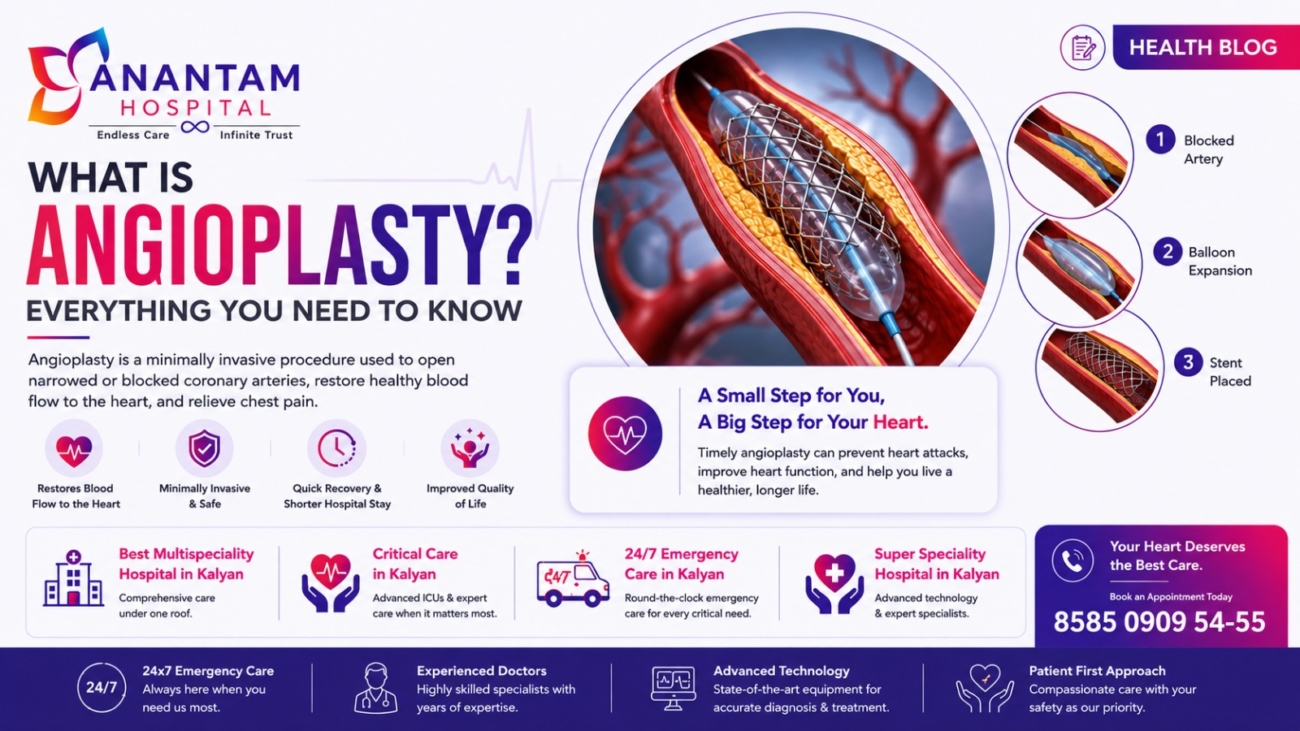
Angioplasty, also known as Percutaneous Coronary Intervention (PCI), is a minimally invasive procedure performed to open blocked or narrowed coronary arteries. Instead of performing open-heart surgery, doctors use a thin flexible tube called a catheter, which is inserted through an artery in the wrist or groin and carefully guided to the blocked artery.

Once the catheter reaches the affected area, a small balloon attached to its tip is inflated. This balloon compresses the plaque against the artery walls, restoring normal blood flow to the heart. In most cases, a small wire mesh tube called a stent is also placed inside the artery to keep it open and reduce the chances of future blockage.

Because angioplasty does not require large surgical incisions, patients usually experience less pain, shorter hospital stays, and faster recovery compared to traditional heart surgery.

Why is Angioplasty Needed?
The coronary arteries can gradually become narrowed due to the buildup of fatty deposits, cholesterol, calcium, and other substances, collectively known as plaque. This condition is called coronary artery disease (CAD). As the arteries narrow, the heart receives less oxygen-rich blood, making it difficult to function efficiently.

Doctors may recommend angioplasty for patients experiencing persistent chest pain (angina), shortness of breath, reduced blood supply to the heart, or after diagnostic tests reveal significant artery blockage. In emergency situations such as an acute heart attack, angioplasty is often performed immediately to restore blood flow and minimize damage to the heart muscle.

Early intervention significantly improves survival rates and reduces long-term complications associated with heart disease.

Symptoms That May Indicate Blocked Heart Arteries
Blocked arteries often develop gradually, and many people ignore the early warning signs. Some of the most common symptoms include persistent chest discomfort or pressure, pain radiating to the left arm, jaw, shoulder, or back, shortness of breath during physical activity, excessive fatigue, dizziness, cold sweats, irregular heartbeat, and nausea. In some individuals, particularly those with diabetes, symptoms may be mild or completely absent until a heart attack occurs.

Seeking immediate medical attention when these symptoms appear can be life-saving.

How is Angioplasty Performed?
The angioplasty procedure is usually completed within one to two hours, depending on the complexity of the blockage. Patients are given local anesthesia at the catheter insertion site, ensuring minimal discomfort while remaining awake throughout the procedure.

A catheter is inserted through an artery in the wrist or groin and guided toward the heart using real-time X-ray imaging. A contrast dye is injected to clearly visualize the blocked coronary artery. Once the blockage is identified, a balloon catheter is positioned and inflated to widen the artery. A stent is then deployed to keep the artery open and maintain healthy blood flow.

After the procedure, the catheter is removed, and pressure is applied to prevent bleeding. Patients are monitored closely before being shifted to recovery.

Types of Stents Used During Angioplasty
Modern angioplasty commonly involves the placement of a stent. Drug-Eluting Stents (DES) slowly release medication that helps prevent the artery from narrowing again, making them the most commonly used option today. Bare Metal Stents (BMS), although less frequently used, may still be appropriate for selected patients based on their medical condition and treatment requirements.

The choice of stent depends on the patient’s overall health, medical history, and recommendations made by the treating cardiologist.

Benefits of Angioplasty
Angioplasty provides rapid relief from symptoms by restoring blood flow to the heart. Patients often experience a significant reduction in chest pain and improved ability to perform daily activities. The procedure reduces the risk of heart attacks, improves heart function, shortens hospital stays, and allows for quicker recovery compared to conventional surgery. Since only a small incision is required, there is less pain, minimal scarring, and a lower risk of infection.

For patients experiencing a heart attack, emergency angioplasty can preserve heart muscle, improve survival rates, and prevent permanent damage.

Are There Any Risks?
Like any medical procedure, angioplasty carries some risks, although serious complications are uncommon when performed by experienced specialists. Possible risks include bleeding at the catheter insertion site, allergic reactions to contrast dye, blood clots, artery damage, irregular heartbeat, infection, kidney complications in susceptible individuals, and rarely, re-narrowing of the treated artery.

At Anantam Hospital, advanced technology, experienced cardiologists, and strict safety protocols significantly reduce these risks while ensuring the highest standards of patient care.

Recovery After Angioplasty
Recovery following angioplasty is generally quick. Most patients are able to walk within a few hours and return home within one or two days, depending on their condition. During the recovery period, patients should avoid strenuous activities for a short time, take prescribed medications regularly, attend scheduled follow-up appointments, maintain adequate hydration, and monitor the catheter insertion site for any unusual swelling or bleeding.

Complete recovery varies from person to person, but many individuals resume their normal routine within a week after consulting their doctor.

Lifestyle Changes After Angioplasty
While angioplasty restores blood flow, it does not cure coronary artery disease. Maintaining long-term heart health requires healthy lifestyle choices. Patients should adopt a balanced diet rich in fruits, vegetables, whole grains, and lean proteins while reducing the intake of saturated fats, processed foods, and excess salt. Regular physical activity, maintaining a healthy weight, controlling blood pressure, diabetes, and cholesterol levels, quitting smoking, limiting alcohol consumption, managing stress, and following prescribed medications all play a crucial role in preventing future heart problems.

These lifestyle modifications significantly improve long-term outcomes and reduce the chances of repeat procedures.

When Should You Seek Emergency Medical Care?
Never ignore symptoms that could indicate a heart attack. Severe chest pain lasting more than a few minutes, pain spreading to the arm, jaw, or back, sudden breathlessness, excessive sweating, fainting, nausea, or loss of consciousness require immediate medical attention.

Prompt treatment during the “golden hour” can save heart muscle and greatly improve survival. Anantam Hospital provides 24/7 Emergency Care in Kalyan, ensuring that experienced emergency physicians and cardiologists are available round the clock to respond to cardiac emergencies without delay.

Why Choose Anantam Hospital for Cardiac Care?
Choosing the right hospital is one of the most important decisions when it comes to heart health. As a Super Speciality Hospital in Kalyan, Anantam Hospital offers comprehensive cardiac services under one roof, supported by advanced medical technology and a multidisciplinary team of specialists.

Patients benefit from experienced interventional cardiologists, advanced cardiac catheterization facilities, modern diagnostic imaging, comprehensive cardiac rehabilitation, intensive monitoring, and personalized treatment plans. Our dedicated Critical Care in Kalyan unit is equipped to manage complex cardiac emergencies with continuous monitoring and expert medical support.

Whether it is emergency angioplasty, preventive heart screening, or long-term cardiac care, our commitment is to provide safe, evidence-based treatment focused on improving patient outcomes and quality of life.

Angioplasty has transformed the treatment of coronary artery disease by offering a safe, effective, and minimally invasive solution for restoring blood flow to the heart. Early diagnosis, timely intervention, and appropriate lifestyle changes can significantly reduce the risk of future cardiac events and help patients lead healthier lives.

If you experience persistent chest pain, breathlessness, or any symptoms suggestive of heart disease, do not delay seeking medical attention. At Anantam Hospital the Best Multispeciality Hospital in Kalyan, our expert cardiologists, advanced cardiac facilities, Critical Care in Kalyan, 24/7 Emergency Care in Kalyan, and comprehensive healthcare services ensure you receive the highest standard of treatment when every second matters.
Dengue Treatment in Kalyan West | Anantam Hospital

Dengue vs Viral Fever: Understanding the Difference and When to Seek Medical Care

Fever is one of the most common health concerns, especially during the monsoon season when viral infections and mosquito-borne diseases become more prevalent. While many people assume that every fever is simply a seasonal viral infection, dengue fever is a more serious illness that requires careful monitoring and timely medical attention. Since the early symptoms of dengue and viral fever often overlap, distinguishing between the two can be challenging without proper medical evaluation. Understanding the differences between these illnesses can help you seek the right treatment at the right time and reduce the risk of complications.

Viral fever is a broad term used to describe fever caused by various viruses that affect the respiratory system, digestive system, or other parts of the body. Common viral infections include influenza, the common cold, adenovirus infections, and several other seasonal viruses. These infections usually spread through coughing, sneezing, direct contact with an infected person, or touching contaminated surfaces. In most cases, viral fever is self-limiting, meaning it improves within a few days with adequate rest, hydration, and supportive treatment.

Dengue fever, on the other hand, is caused by the dengue virus and is transmitted through the bite of an infected Aedes aegypti mosquito. Unlike viral fever, dengue does not spread from person to person through casual contact. The disease is more common during and after the rainy season when stagnant water creates ideal breeding grounds for mosquitoes. Dengue affects thousands of people every year and can become severe if not diagnosed and managed promptly.

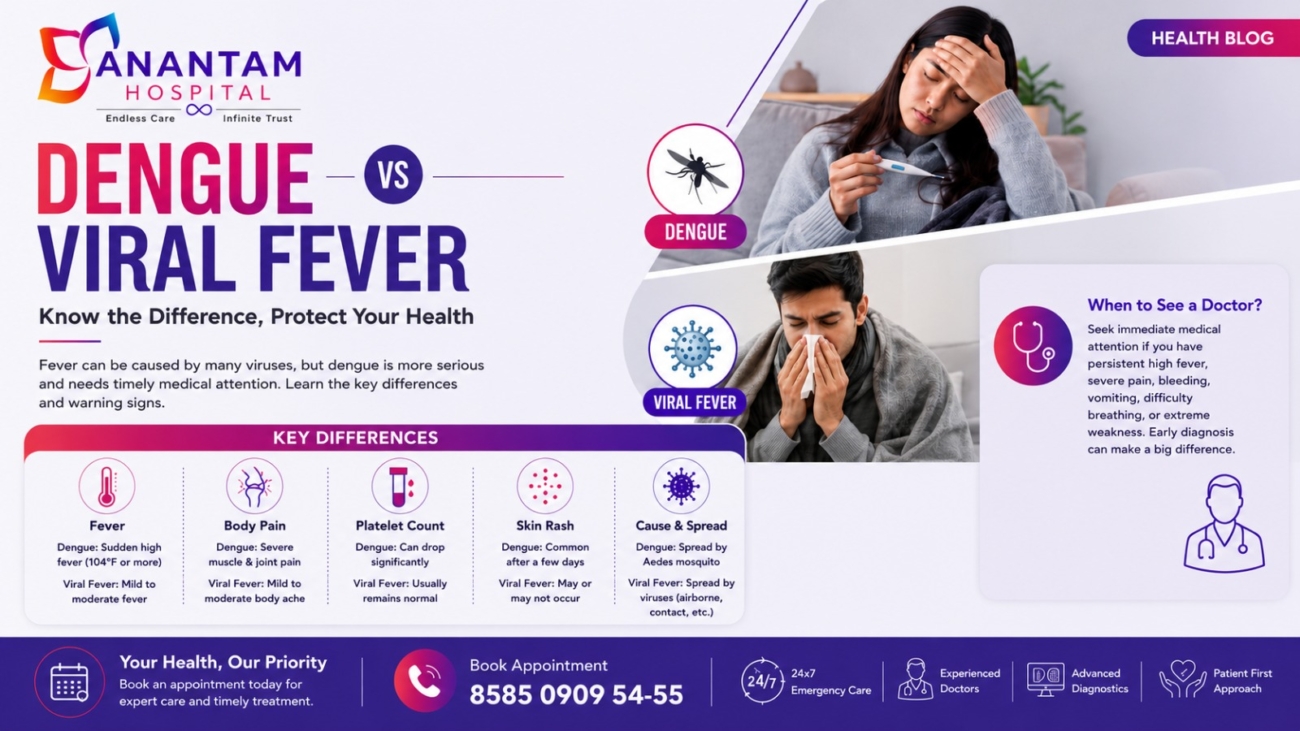
One of the biggest reasons dengue is often confused with viral fever is that both conditions usually begin with a sudden fever, body aches, headache, and fatigue. However, there are several important differences. Dengue typically causes a very high fever, often reaching 104°F or higher, accompanied by intense muscle and joint pain, severe headache, pain behind the eyes, nausea, vomiting, and skin rashes. Many patients describe the body pain associated with dengue as severe enough to affect even simple daily activities. Viral fever, while uncomfortable, generally causes milder body aches, sore throat, cough, runny nose, and nasal congestion, with symptoms gradually improving over three to seven days.

Another important distinction is the effect dengue has on the body’s blood cells. The dengue virus can reduce platelet levels and increase the risk of bleeding in severe cases. Patients may notice bleeding gums, nosebleeds, easy bruising, or tiny red spots on the skin. Viral fever usually does not cause a significant drop in platelet count or serious bleeding complications. This is why laboratory testing plays a crucial role in differentiating dengue from common viral infections.

Doctors diagnose dengue using specific blood tests such as the NS1 Antigen Test, Dengue IgM and IgG Antibody Tests, Complete Blood Count (CBC), platelet count, and hematocrit levels. These investigations help determine not only whether a person has dengue but also how severe the infection may be. Viral fever is often diagnosed based on clinical symptoms and physical examination, with additional tests recommended only if symptoms persist or another illness is suspected.

Many people become anxious when they hear that platelet counts are falling during dengue infection. While platelet monitoring is important, treatment decisions are not based solely on platelet numbers. Doctors also evaluate the patient’s hydration status, blood pressure, bleeding symptoms, overall clinical condition, and laboratory findings before deciding whether hospitalization is necessary. Regular monitoring allows healthcare providers to identify warning signs early and provide appropriate treatment before complications develop.

Treatment for viral fever mainly focuses on relieving symptoms. Patients are advised to get adequate rest, drink plenty of fluids to prevent dehydration, eat nutritious meals, and take fever-reducing medications as prescribed by their doctor. Since viral infections are caused by viruses rather than bacteria, antibiotics are generally not effective unless there is a confirmed bacterial infection alongside the viral illness.

Similarly, there is currently no specific antiviral medication available for dengue fever. Treatment is supportive and focuses on maintaining hydration, controlling fever safely, monitoring platelet levels, and identifying complications early. Patients with mild dengue may recover at home under regular medical supervision, while those showing warning signs such as severe abdominal pain, persistent vomiting, breathing difficulty, bleeding, extreme weakness, or signs of shock may require hospitalization for intravenous fluids and close observation.

Preventing dengue begins with controlling mosquito breeding and protecting yourself from mosquito bites. Emptying stagnant water from containers, flower pots, coolers, and unused tires helps reduce mosquito breeding. Wearing full-sleeved clothing, applying mosquito repellents, using window screens, and sleeping under mosquito nets can further lower the risk of infection. Viral fever prevention, on the other hand, focuses on maintaining good personal hygiene through regular handwashing, avoiding close contact with infected individuals, following proper cough etiquette, eating a balanced diet, staying physically active, and getting sufficient sleep to support the immune system.

It is important not to ignore persistent fever, particularly during the monsoon season. If you develop a high fever lasting more than two days, severe body pain, unusual weakness, bleeding, difficulty breathing, persistent vomiting, or signs of dehydration, seek immediate medical attention. Early diagnosis not only improves recovery but also helps prevent potentially life-threatening complications associated with severe dengue.

At Anantam Hospital, our experienced physicians, advanced diagnostic laboratory, and 24×7 emergency care services ensure that patients receive timely diagnosis and comprehensive treatment for both dengue and viral fever. From rapid laboratory investigations to personalized treatment plans and continuous monitoring, our multidisciplinary healthcare team is committed to providing compassionate, evidence-based care that supports faster recovery and better health outcomes.

Although dengue and viral fever may appear similar during the initial stages, they differ significantly in their cause, progression, and potential complications. While most viral fevers resolve with rest and supportive care, dengue requires careful monitoring because of its potential to affect platelet counts and cause serious health complications. Recognizing the warning signs and seeking prompt medical evaluation can make a significant difference in recovery. If you or a loved one experiences persistent fever or symptoms suggestive of dengue, consult the specialists at Anantam Hospital for accurate diagnosis, timely treatment, and comprehensive medical care.

Blood Storage Services in Kalyan at Anantam Hospital

Blood Bank Storage at Anantam Hospital: Ensuring Safe and Reliable Blood Component Care

Blood is one of the most critical resources in healthcare. During emergencies, surgeries, childbirth, trauma care, cancer treatment, and several medical procedures, timely access to safe blood and blood components can be life-saving. Proper blood bank storage plays a crucial role in maintaining the quality, safety, and availability of blood for patients who require transfusion support.

At Anantam Hospital, blood bank storage is an important part of our commitment to comprehensive and patient-centred healthcare. Properly collected and stored blood components require controlled conditions, systematic monitoring, and strict safety protocols to ensure they remain suitable for use when needed.

Why Proper Blood Storage Is Important
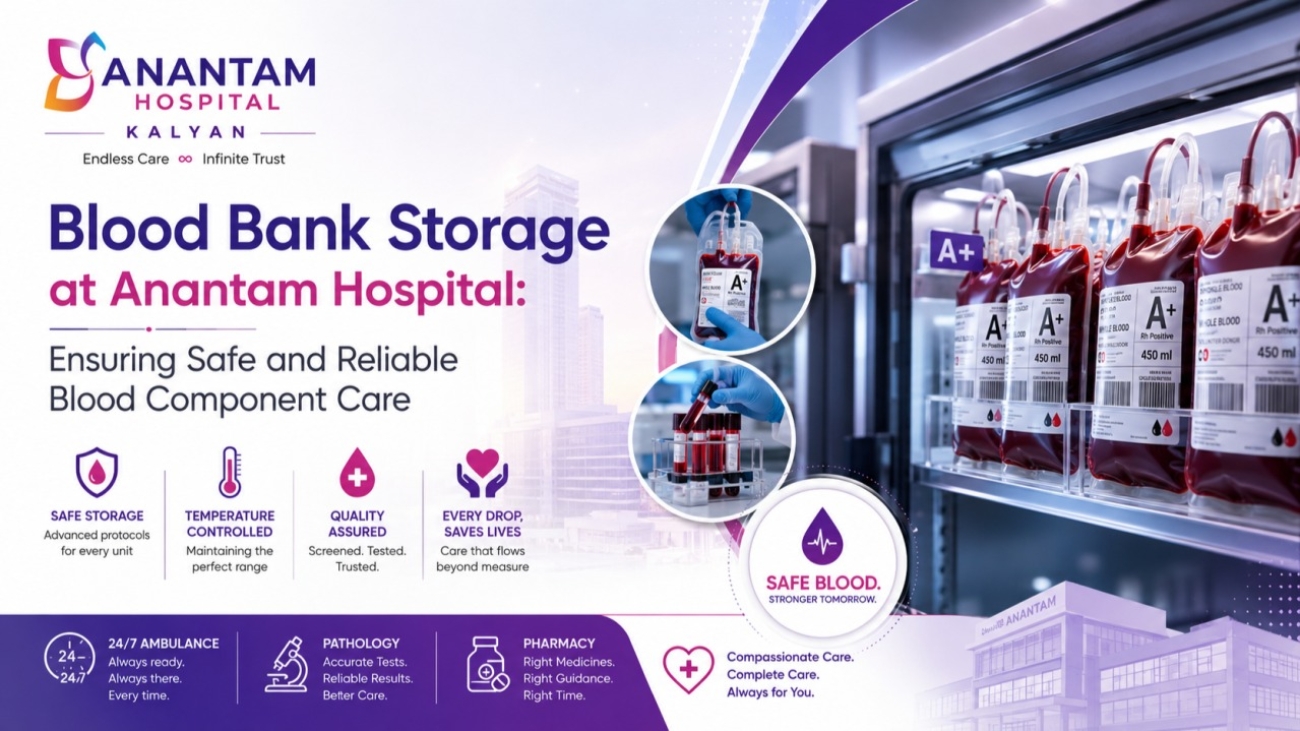
Blood and its components are biological products that require specific storage conditions. Maintaining the correct temperature and monitoring storage conditions are essential for preserving the quality and effectiveness of blood components.

Different blood components have different storage requirements. Red blood cells, plasma, platelets, and other components must be handled and stored according to established medical and safety protocols. Continuous monitoring helps ensure that the required conditions are maintained and that any variation can be identified promptly.

Proper storage also helps healthcare teams access the required blood components efficiently during planned procedures and emergency situations.

Supporting Emergency and Surgical Care
Timely availability of blood can be extremely important during medical emergencies. Patients experiencing severe blood loss due to accidents, trauma, complications during surgery, or other critical medical conditions may require urgent transfusion support.

Blood bank storage facilities help hospitals maintain access to essential blood components for patients who need them. This is particularly important for a multispeciality hospital that provides services across emergency medicine, surgery, critical care, cardiology, oncology, and other departments.

At Anantam Hospital, the availability of reliable healthcare support services contributes to coordinated patient care, especially when immediate medical intervention is required.

Importance of Safety and Monitoring
Blood bank storage involves more than simply keeping blood units in a refrigerator. It requires careful monitoring, proper documentation, appropriate handling, and adherence to strict safety procedures.

Blood units and components must be carefully identified, tracked, and stored under appropriate conditions. Regular monitoring helps support the safety and quality of blood products throughout the storage period. Proper procedures also help reduce the risk of errors and ensure that blood is made available for the right patient when required.

Every step, from blood collection and testing to storage and transfusion, is an important part of maintaining safe blood transfusion practices.

Blood Storage and Patient-Centred Healthcare
For patients and their families, knowing that essential medical support is available when needed can provide reassurance during challenging medical situations. Blood bank services form an important part of the larger healthcare system and support various treatments and procedures.

Patients undergoing major surgeries, cancer treatment, critical care, or emergency medical procedures may require blood or blood components as part of their treatment plan. Proper blood bank storage helps hospitals prepare for these requirements and support timely medical care.

Integrated Healthcare at Anantam Hospital
As the best multispeciality hospital in Kalyan West, Anantam Hospital is committed to providing comprehensive medical care supported by essential healthcare services and experienced medical professionals.

The hospital offers a wide range of medical services, including emergency care, critical care, surgery, cardiology, oncology, nephrology, diagnostics, and other specialised treatments. Access to appropriate blood bank support plays an important role in supporting patients across multiple departments.

As a super speciality hospital in Kalyan West, Anantam Hospital focuses on providing coordinated and patient-focused healthcare. For individuals looking for a best hospital near Khadakpada Kalyan West, comprehensive medical support and essential facilities are important considerations when choosing healthcare services.

Patients requiring specialised treatment can also benefit from access to departments such as cardiology, oncology, critical care, and nephrology. This makes integrated healthcare particularly important for individuals with complex medical conditions.

Every Unit Can Make a Difference
Blood donation and proper blood storage are both essential parts of a strong healthcare system. Every unit of blood can potentially help support a patient during an emergency, surgery, or medical treatment.

By maintaining proper blood bank storage practices and supporting safe transfusion procedures, hospitals play an important role in ensuring that patients receive timely medical care when they need it most.

At Anantam Hospital, our commitment to patient safety extends across every aspect of healthcare from diagnosis and treatment to emergency support and essential medical services. Through comprehensive facilities, experienced healthcare professionals, and a focus on safety and quality, we remain committed to providing dependable care to patients and families in Kalyan and surrounding areas.

Because in healthcare, every detail matters and timely access to safe blood can make a life-saving difference.

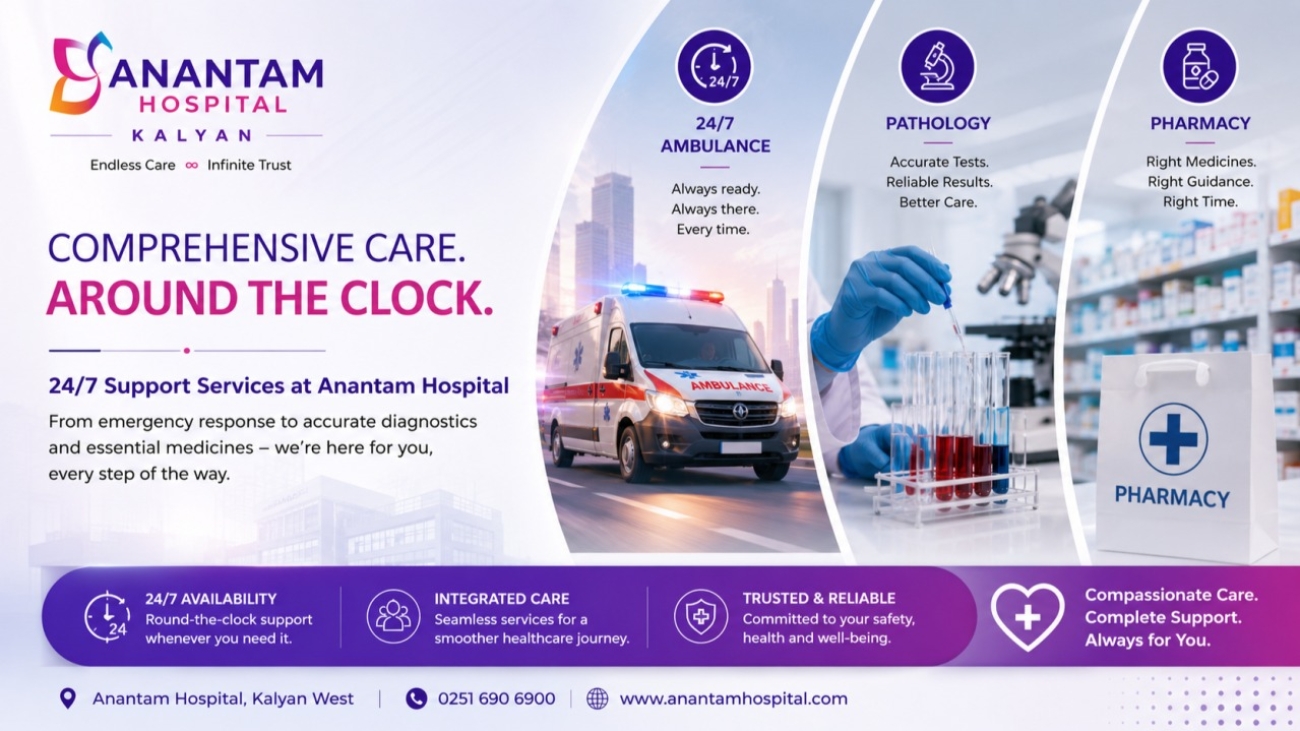
Comprehensive Healthcare Support at Anantam Hospital: 24/7 Ambulance, Pathology & Pharmacy Services

Comprehensive Healthcare Support at Anantam Hospital: 24/7 Ambulance, Pathology & Pharmacy Services

Access to timely and reliable healthcare is essential, especially during medical emergencies. While expert doctors, advanced treatments, and modern facilities play an important role in patient care, supporting services such as ambulance transportation, diagnostic pathology, and pharmacy services are equally important for ensuring a smooth healthcare journey. At Anantam Hospital, these essential services are designed to provide patients and families with convenient, timely, and coordinated medical support under one roof.

24/7 Ambulance Services for Timely Emergency Care
Medical emergencies can occur at any time, and timely transportation can often make a significant difference in a patient’s treatment journey. Anantam Hospital provides 24/7 ambulance services to support patients who require urgent medical attention or safe transportation to the hospital.

A hospital ambulance is more than just a mode of transport. It serves as an important link between the patient and emergency medical care. Trained personnel and essential medical support help ensure that patients receive appropriate care during transportation, depending on their condition and medical requirements.

Whether it is a cardiac emergency, accident, sudden illness, or any other urgent medical situation, timely ambulance support can help reduce delays in reaching the hospital. With round-the-clock availability, Anantam Hospital aims to ensure that patients can access emergency medical support whenever they need it.

Reliable Pathology Services for Accurate Diagnosis
Accurate diagnosis is the foundation of effective medical treatment. Pathology and laboratory investigations help doctors understand a patient’s health condition, identify diseases, monitor treatment progress, and make informed clinical decisions.

At Anantam Hospital, pathology services support a wide range of diagnostic requirements. From routine blood tests and urine examinations to specialized investigations, laboratory testing provides valuable insights into a patient’s overall health. Accurate and timely reports help doctors begin appropriate treatment and monitor the patient’s response over time.

Pathology services are also important for preventive healthcare. Regular health check-ups and diagnostic tests can help identify conditions such as diabetes, infections, anemia, kidney disorders, liver conditions, and other health concerns at an early stage. Early detection allows timely medical intervention and better management of various diseases.

Pharmacy Services for Convenient Access to Medicines
Access to prescribed medicines is an important part of every patient’s treatment journey. Anantam Hospital’s pharmacy services help patients and families conveniently access the medicines recommended by their doctors.

A hospital pharmacy plays an important role in supporting treatment continuity. Patients can obtain prescribed medications while receiving care at the hospital, reducing the need to search for medicines elsewhere. Proper guidance regarding prescriptions and medication requirements also supports safe and effective treatment.

For patients undergoing long-term treatment, timely access to prescribed medicines is particularly important. The pharmacy supports patients by helping ensure that necessary medications are available as part of their overall healthcare experience.

Integrated Healthcare Support Under One Roof
Healthcare involves more than consultation and treatment alone. From the moment a patient requires emergency transportation to the time they undergo diagnostic testing and begin their prescribed medication, every stage of care contributes to the overall treatment experience.

At Anantam Hospital, 24/7 ambulance services, pathology facilities, pharmacy services, emergency care, and specialized medical departments work together to provide integrated healthcare support. This coordinated approach helps reduce delays, improve convenience, and ensure that patients receive comprehensive medical assistance throughout their healthcare journey.

As the best multispeciality hospital in Kalyan West, Anantam Hospital is committed to providing comprehensive medical care supported by essential healthcare services. The hospital also provides access to 24 hour emergency care in Kalyan West, ensuring that patients can receive timely medical attention when urgent care is required.

With its multidisciplinary healthcare services, Anantam Hospital serves as a trusted super speciality hospital in Kalyan West. Patients can access specialized services including cardiology, nephrology, oncology, critical care, surgery, diagnostics, pharmacy, and emergency medical support.

For patients looking for a best hospital near Khadakpada Kalyan West, access to essential support services such as 24/7 ambulance assistance, reliable pathology testing, and convenient pharmacy facilities can make the healthcare experience more efficient and coordinated.

Supporting Better Healthcare Through Every Step
At Anantam Hospital, every aspect of patient care is focused on safety, convenience, and timely medical support. From emergency ambulance services to accurate pathology investigations and accessible pharmacy services, these facilities play an important role in delivering complete healthcare.

With experienced medical professionals, modern facilities, and patient-focused services, Anantam Hospital continues its commitment to providing dependable healthcare support to individuals and families in Kalyan and surrounding areas.

Because quality healthcare is not just about treating illness it is about being there for patients at every step.

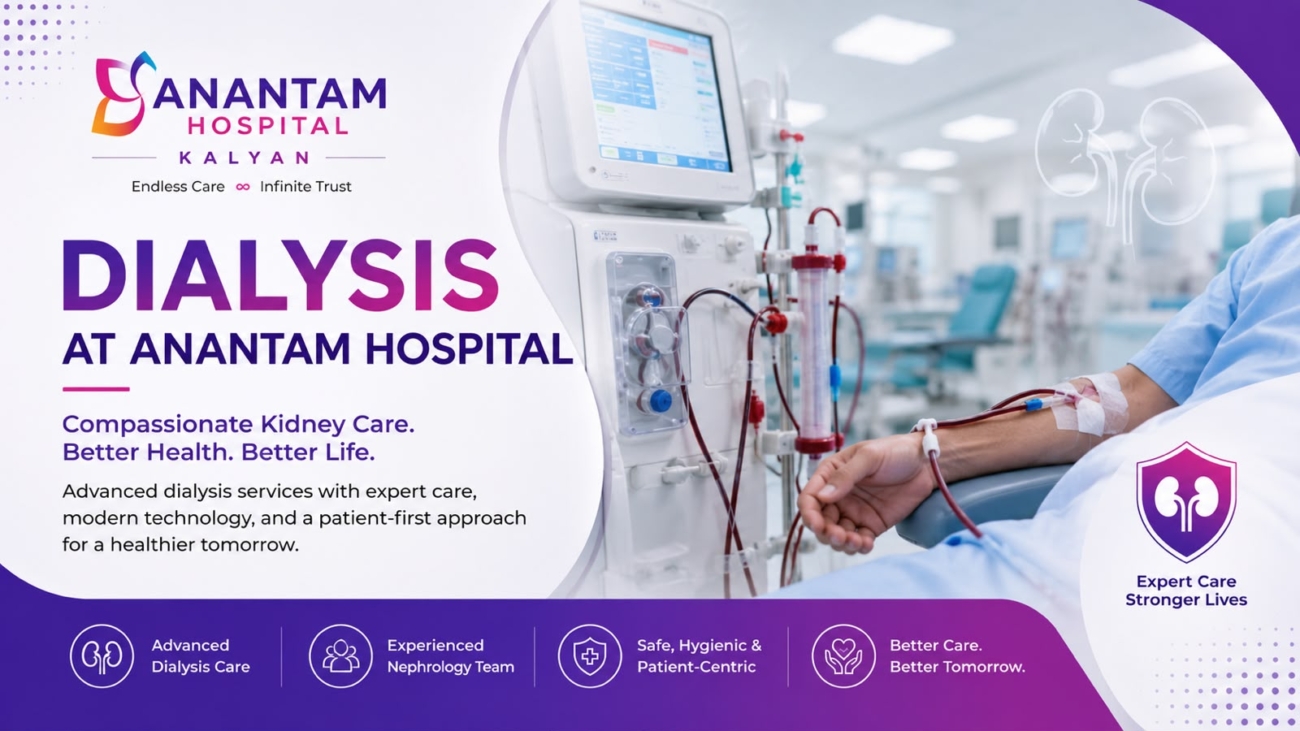
Patient receiving Advanced Dialysis Care at Anantam Hospital

Dialysis Care at Anantam Hospital: Comprehensive Kidney Care for Better Living

Kidney health plays a vital role in maintaining the body’s overall well-being. When the kidneys are no longer able to effectively remove waste products, excess fluids, and toxins from the blood, dialysis becomes an essential treatment that helps patients lead healthier and more comfortable lives. At Anantam Hospital, we provide advanced dialysis services supported by experienced medical professionals, modern technology, and compassionate patient care to ensure every individual receives safe and effective treatment.

Dialysis is a life-saving procedure that performs many of the functions of healthy kidneys. It helps remove waste, balance electrolytes, regulate fluid levels, and maintain the body’s overall stability when kidney function is significantly reduced. Dialysis is commonly recommended for patients with chronic kidney disease (CKD), end-stage renal disease (ESRD), acute kidney injury, or severe kidney dysfunction that cannot be managed through medication alone.

There are different types of dialysis, with Hemodialysis being the most commonly performed treatment. During hemodialysis, blood is circulated through a specialized dialysis machine that filters out toxins and excess fluids before returning the purified blood to the body. Each dialysis session is carefully monitored by trained healthcare professionals to ensure patient safety and treatment effectiveness. Regular dialysis not only supports kidney function but also helps improve energy levels, reduce complications, and enhance the overall quality of life.

At Anantam Hospital, every dialysis patient receives personalized care based on their medical condition, lifestyle, and treatment requirements. Our experienced nephrology team closely monitors each session while maintaining strict infection control protocols and patient comfort throughout the treatment process. From initial assessment to long-term kidney care, we focus on delivering safe, reliable, and compassionate healthcare.

Kidney disease often progresses silently, making regular health check-ups extremely important for individuals with diabetes, high blood pressure, obesity, or a family history of kidney disorders. Symptoms such as swelling in the legs, persistent fatigue, reduced urine output, nausea, difficulty breathing, or uncontrolled blood pressure should never be ignored. Early diagnosis and timely medical intervention can help slow the progression of kidney disease and improve long-term outcomes.

As the best multispeciality hospital in Kalyan West, Anantam Hospital offers comprehensive kidney care supported by advanced diagnostic facilities and experienced specialists. Our hospital is recognized as a trusted kidney specialist hospital in Kalyan West, providing dialysis services alongside complete nephrology care under one roof. Patients also benefit from access to our 24 hour emergency hospital in Kalyan West, ensuring immediate medical support whenever required.

In addition to nephrology services, Anantam Hospital functions as a super speciality hospital in Kalyan West, offering integrated care across cardiology, oncology, critical care, surgery, orthopaedics, and multiple other specialties. This multidisciplinary approach ensures that patients with kidney disease receive coordinated treatment for associated health conditions, leading to better overall outcomes.

Managing kidney disease extends beyond dialysis alone. Patients are guided on proper nutrition, fluid management, medication adherence, lifestyle modifications, and regular follow-up consultations to support long-term health. Our healthcare team works closely with every patient and their family to provide education, emotional support, and individualized treatment plans throughout the dialysis journey.

At Anantam Hospital, we believe that every patient deserves expert medical care delivered with compassion and dignity. Through advanced dialysis services, experienced specialists, and patient-centered healthcare, we remain committed to helping individuals manage kidney disease effectively and enjoy a healthier, more fulfilling life.

2d echocardiography heart care

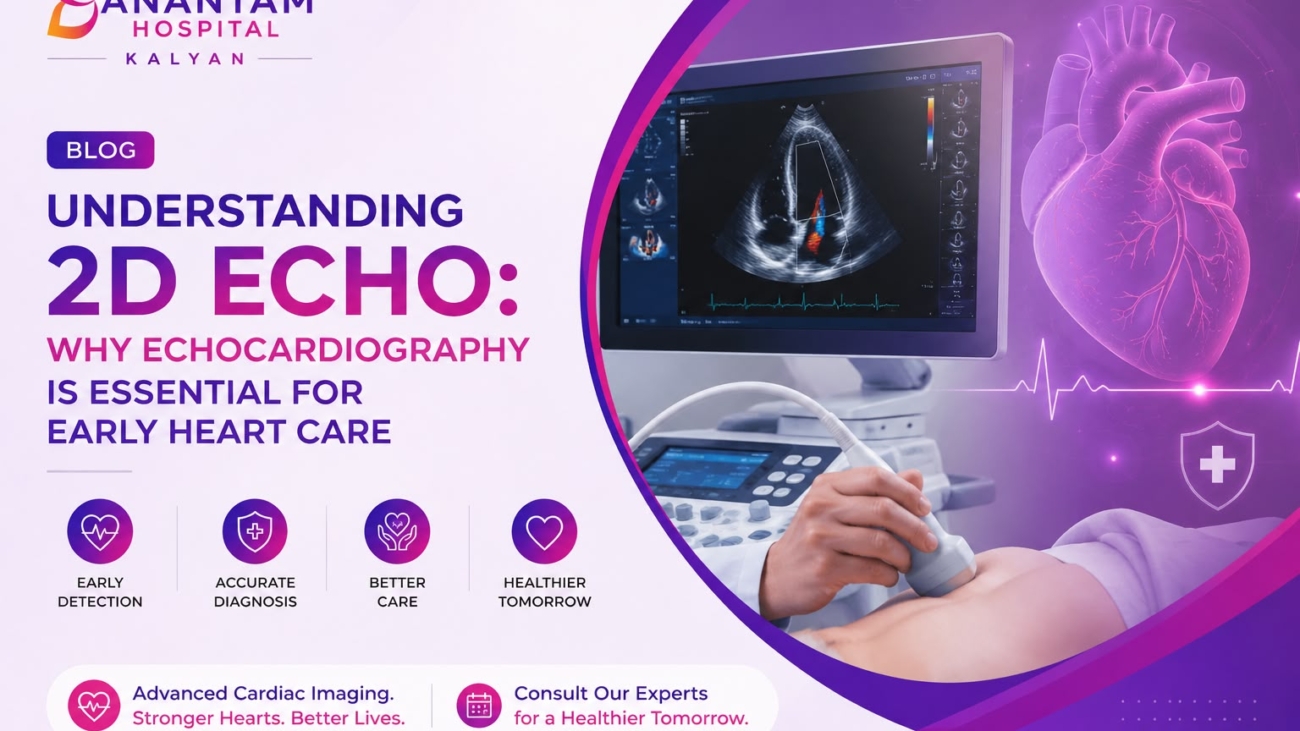
Understanding 2D Echo: Why Echocardiography is Essential for Early Heart Care

Heart diseases continue to be one of the leading health concerns worldwide, making early diagnosis more important than ever. Many heart conditions develop gradually and may not show obvious symptoms until they become serious. Advanced diagnostic tests such as a 2D Echocardiography (2D Echo) help doctors detect heart problems at an early stage, allowing timely treatment and better patient outcomes. At Anantam Hospital, we offer advanced cardiac diagnostic services with a focus on accurate diagnosis, compassionate care, and personalized treatment plans for every patient.

A 2D Echo, also known as Echocardiography, is a safe, painless, and non-invasive ultrasound test that uses sound waves to create real-time images of the heart. Unlike procedures that involve radiation or surgery, a 2D Echo is completely non-invasive and provides valuable information about the heart’s structure, function, valves, chambers, and blood flow. It allows cardiologists to assess how efficiently the heart is pumping and identify abnormalities before they progress into serious conditions.

Doctors often recommend a 2D Echo for patients experiencing symptoms such as chest pain, shortness of breath, palpitations, dizziness, swelling in the legs, unexplained fatigue, or irregular heartbeats. The test is also advised for individuals with high blood pressure, diabetes, previous heart attacks, congenital heart disease, or a family history of cardiovascular conditions. Early evaluation through echocardiography can help detect heart valve disorders, weakened heart muscles, heart failure, congenital abnormalities, and fluid around the heart.

The procedure itself is simple and comfortable. During the examination, a trained cardiac technician places a small ultrasound probe on the patient’s chest using a special gel. High-frequency sound waves produce detailed images of the heart, enabling the cardiologist to evaluate heart function in real time. The test usually takes between 20 and 40 minutes and does not require any recovery time, allowing patients to resume their daily routine immediately after the examination.

At Anantam Hospital, our cardiology department combines experienced specialists with advanced diagnostic technology to deliver accurate and reliable cardiac assessments. Every patient receives a detailed evaluation followed by expert guidance based on their individual health condition. Our goal is not only to diagnose heart diseases but also to help patients understand their heart health and take preventive steps to reduce future risks.

Regular heart check-ups and timely diagnostic investigations play a crucial role in preventing serious cardiovascular complications. Lifestyle-related conditions such as obesity, stress, hypertension, diabetes, and unhealthy eating habits have significantly increased the risk of heart disease across all age groups. Early diagnosis through tests like 2D Echo enables doctors to initiate treatment before complications become life-threatening.

As the best multispeciality hospital in Kalyan West, Anantam Hospital is committed to providing comprehensive cardiac care supported by modern diagnostic facilities and experienced medical professionals. From preventive heart screenings to advanced treatment and emergency cardiac care, patients receive complete support under one roof. Our hospital is also recognized as a trusted cardiology hospital in Kalyan West, offering patient-centric healthcare focused on safety, accuracy, and long-term heart wellness.

In addition to cardiac services, Anantam Hospital offers multidisciplinary care as a super speciality hospital in Kalyan West, with dedicated departments for oncology, critical care, nephrology, surgery, and emergency medicine. Whether you require preventive health check-ups, advanced diagnostics, or specialized treatment, our experienced healthcare team is committed to delivering quality care with compassion.

Your heart deserves timely attention. If you experience symptoms related to heart health or have risk factors for cardiovascular disease, consult a specialist without delay. Early diagnosis through a simple 2D Echo can make a significant difference in preventing future complications and ensuring a healthier life.

At Anantam Hospital, we remain committed to providing advanced cardiac diagnostics, expert medical care, and personalized treatment to help every patient live a healthier, stronger, and more confident life.

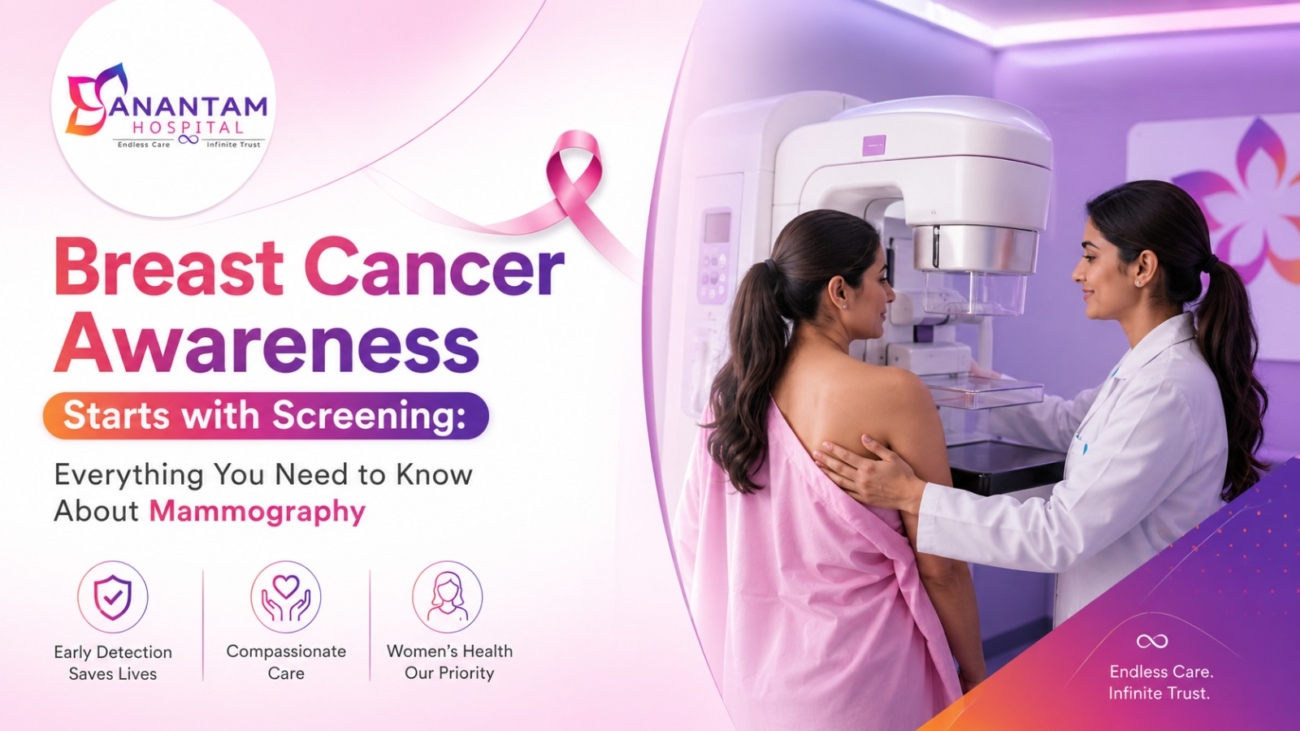
Woman undergoing breast cancer screening with mammography at Anantam Hospital, Kalyan West for early breast cancer detection.

Breast Cancer Awareness Starts with Screening: Everything You Need to Know About Mammography

Most of us do not think about our breast health until we notice something when it comes to breast cancer waiting for symptoms is not always the best choice. Breast cancer often develops silently in its stages without causing pain or a noticeable lump. That’s why regular screening through mammography is one of the effective ways to detect breast cancer early.

The earlier breast cancer is diagnosed, the the chances of successful treatment and recovery. A simple screening today can make a difference to your health tomorrow.

What Is Mammography?

A mammogram is a low-dose X-ray that creates images of the breast. It helps detect changes in breast tissue that may not be visible or felt during a self-examination or routine physical check-up. This makes mammography a trusted tool for early breast cancer screening.

It is essential to understand that a mammogram is not recommended when there is a problem. It is a screening that helps identify changes before symptoms appear giving doctors the opportunity to diagnose and treat breast cancer at its earliest stage.

Why Early Detection Matters

Breast cancer found early is often easier to treat. May require less treatment. In cases early detection improves treatment outcomes & increases survival rates.

Many women diagnosed through mammography had no pain, no lump and no obvious symptoms. This is why regular breast cancer screening is crucial it helps detect what cannot yet be seen or felt.

Who Should Consider a Mammogram?

Regular mammography is generally recommended for women aged 40 years and above or earlier if advised by a doctor based on family history.

You should also consult a healthcare professional if you experience:

  • A new lump in the breast. Underarm
  • Changes in the size or shape of the breast
  • Nipple. Nipple inversion
  • Skin dimpling, redness or thickening
  • Persistent pain in one area of the breast

These symptoms do not always indicate breast cancer. They should never be ignored. Breast cancer screening is vital.

Is Mammography Safe?

Yes. Mammography uses a dose of radiation and is considered a safe and effective screening test. The procedure is quick. While some women may experience mild discomfort for a few seconds the benefits of early detection far outweigh this temporary inconvenience.

Looking After Your Breast Health

Along with breast cancer screening maintaining a healthy lifestyle staying physically active and being aware of any changes in your breasts are all important steps towards better breast health. Importantly do not postpone a screening because you feel healthy. Preventive care is about identifying problems before they become serious.

Your Health Deserves Timely Attention

Breast cancer awareness is not just about knowing the signs, it is about taking action at the time. A mammogram is a screening that can provide reassurance detect concerns early and potentially save lives. Mammography is key.

At Anantam Hospital we believe that quality healthcare begins with awareness and timely diagnosis. With mammography services, experienced specialists and a patient-first approach we are committed to supporting every woman in making informed decisions, about her breast health. Because when breast cancer is detected early hope becomes stronger treatment becomes more effective. Lives can be changed.