
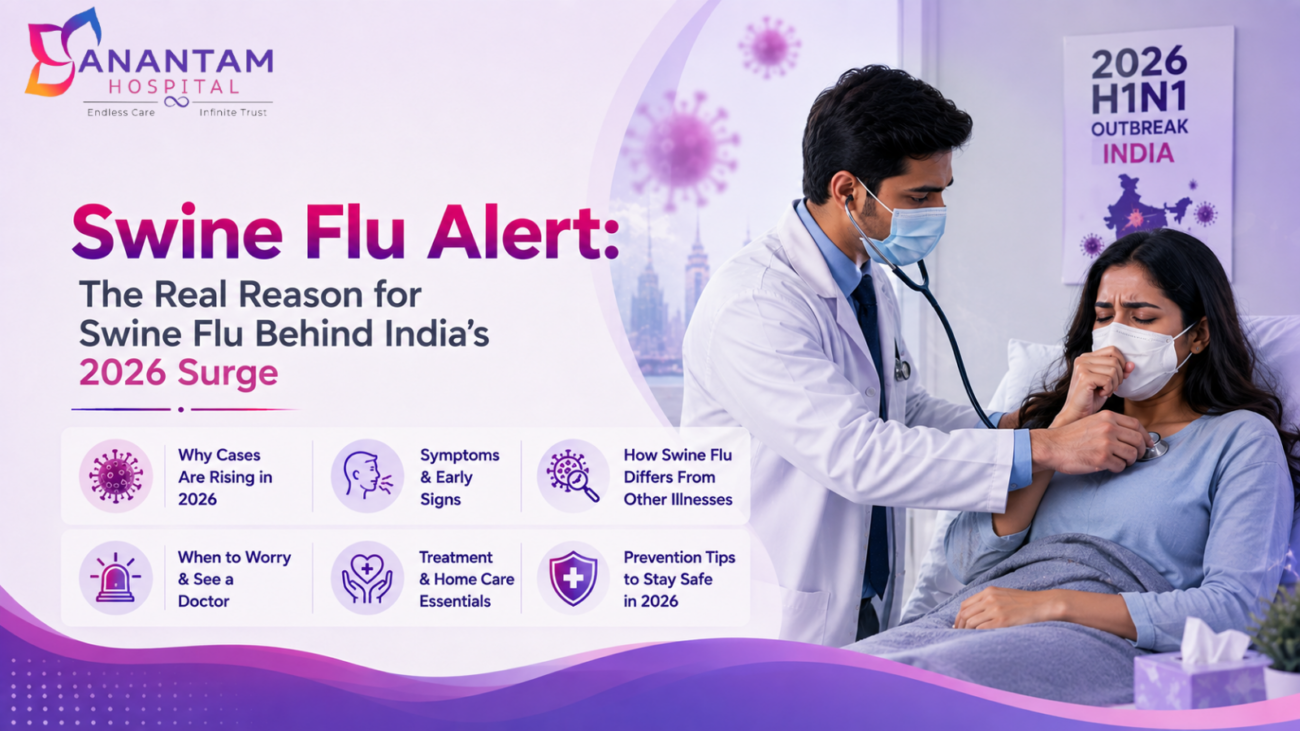
Turn on the news this month and you’ll probably catch a headline about H1N1 cases climbing across the country. It’s not your imagination, and it’s not just another flu season scare story either.
Delhi alone has seen its H1N1 numbers shoot up dramatically compared to last year, and states like Rajasthan are logging their highest monthly case counts of 2026 right now. So what’s actually driving this, and more importantly, should you be worried?
What’s Actually Happening Right Now
Health authorities across India have flagged a sharp rise in H1N1 cases this monsoon season. Delhi’s case count this year is running nearly eight times higher than the same period last year, and the Health Ministry has urged anyone with persistent flu-like symptoms to get checked early instead of waiting it out.
Here’s the reassuring part though. Health officials have confirmed there’s no new or more dangerous strain behind this spike. It’s the same seasonal H1N1 virus that’s circulated in India for years, just showing up in higher numbers this season.
What Exactly Is Swine Flu?
Let’s back up for a second. Swine flu, medically known as H1N1, is a strain of influenza that originally jumped from pigs to humans years ago. Knowing this origin is the first step in understanding the reason for swine flu today.
These days, it spreads person to person just like any other flu virus. You don’t need to be anywhere near a pig to catch it, and eating pork has nothing to do with it either.
The Real Reason for Swine Flu Spreading This Season
This is what everyone actually wants answered. The reason for swine flu surging right now comes down to a mix of seasonal, biological, and everyday factors working together.
Monsoon Weather Conditions
- Humidity and fluctuating temperatures create ideal conditions for flu viruses to spread and survive longer
- This is exactly why India sees seasonal spikes every year between July and November
- Your body’s natural defenses also tend to dip during sudden weather shifts
Airborne Transmission in Crowded Spaces
- The virus spreads through droplets when an infected person coughs, sneezes, or talks
- Crowded trains, offices, and markets let one infected person expose dozens of others within minutes
- This is a major reason for swine flu spreading so quickly in dense cities
Dipping Immunity Levels
- Seasonal illness and weather changes leave many people more vulnerable than usual
- Existing health conditions like diabetes, asthma, or heart disease weaken your body’s ability to fight off infection
- Kids, elderly folks, and pregnant women fall into higher-risk categories for this reason
Delayed Testing and Reporting
- Many mild cases never get tested, which means official numbers likely understate how widespread it actually is, adding another layer to the reason for swine flu case counts looking the way they do
- People often mistake early symptoms for a regular cold and delay seeking care
- This delay is part of why case counts appear to jump suddenly once people do get tested
Population Density and Poor Ventilation
- Cities like Mumbai and Delhi see faster transmission simply due to how many people share tight indoor spaces
- Offices, schools, and public transport become natural hotspots during outbreak season
Put it all together, and there isn’t one single reason for swine flu spreading this hard. It’s several factors piling up at exactly the same time of year.
Symptoms You Shouldn’t Brush Off
Swine flu often looks like a regular flu at first, which is exactly why people delay getting checked.
Watch out for:
- Sudden high fever, often above 100.4°F
- Chills and body aches
- Sore throat and persistent cough
- Runny or stuffy nose
- Headache and fatigue that hits harder than a normal cold
- In some cases, vomiting or diarrhea
Not everyone develops every symptom, and fever doesn’t always show up either, so don’t rule it out just because one symptom is missing.
Who Should Be Extra Cautious
Higher-risk groups include:
- Children under 5 years old
- Adults over 65
- Pregnant women
- People with asthma, diabetes, heart disease, or weakened immune systems
- Healthcare workers with frequent patient exposure
If you fall into any of these categories, don’t wait around hoping symptoms fade on their own.
How to Protect Yourself This Season
Prevention isn’t complicated, it just needs consistency, especially with case numbers climbing.
- Wash your hands frequently, especially after commuting or being in crowded places
- Avoid touching your face without washing your hands first
- Wear a mask in crowded or poorly ventilated indoor spaces
- Get vaccinated, particularly if you’re in a high-risk category
- Stay home when unwell instead of pushing through work or school
- Boost your immunity with proper sleep, hydration, and a balanced diet
None of these guarantee complete immunity, but together they significantly cut your risk during a season like this one.
When to See a Doctor
Most cases resolve with rest, fluids, and basic care within a week. But given the current surge, certain signs mean it’s time to stop self-managing.
Seek medical attention if you notice:
- Difficulty breathing or chest pain
- Fever that doesn’t improve after 3 to 4 days
- Severe weakness or dizziness
- Symptoms that suddenly worsen after initially improving
- Bluish tint to lips or face
These aren’t symptoms to sit on, especially with hospitals across the country already reporting increased flu-related admissions this season.
The Takeaway
Swine flu isn’t a new threat, but this season’s numbers are a real reminder to take it seriously. Understanding the reason for swine flu spiking each year, from monsoon weather to crowded spaces to dipping immunity, puts you a step ahead instead of caught off guard when symptoms show up.
If you or someone in your family is running a fever that won’t quit or showing flu symptoms that just won’t let up, don’t wait it out. Anantam Hospital, recognized as the best multispeciality hospital in Kalyan and the best critical care hospital in Kalyan, is among the 24×7 hospitals in Kalyan offering dedicated consultations for flu-related illnesses to help you get diagnosed and treated without delay.

