
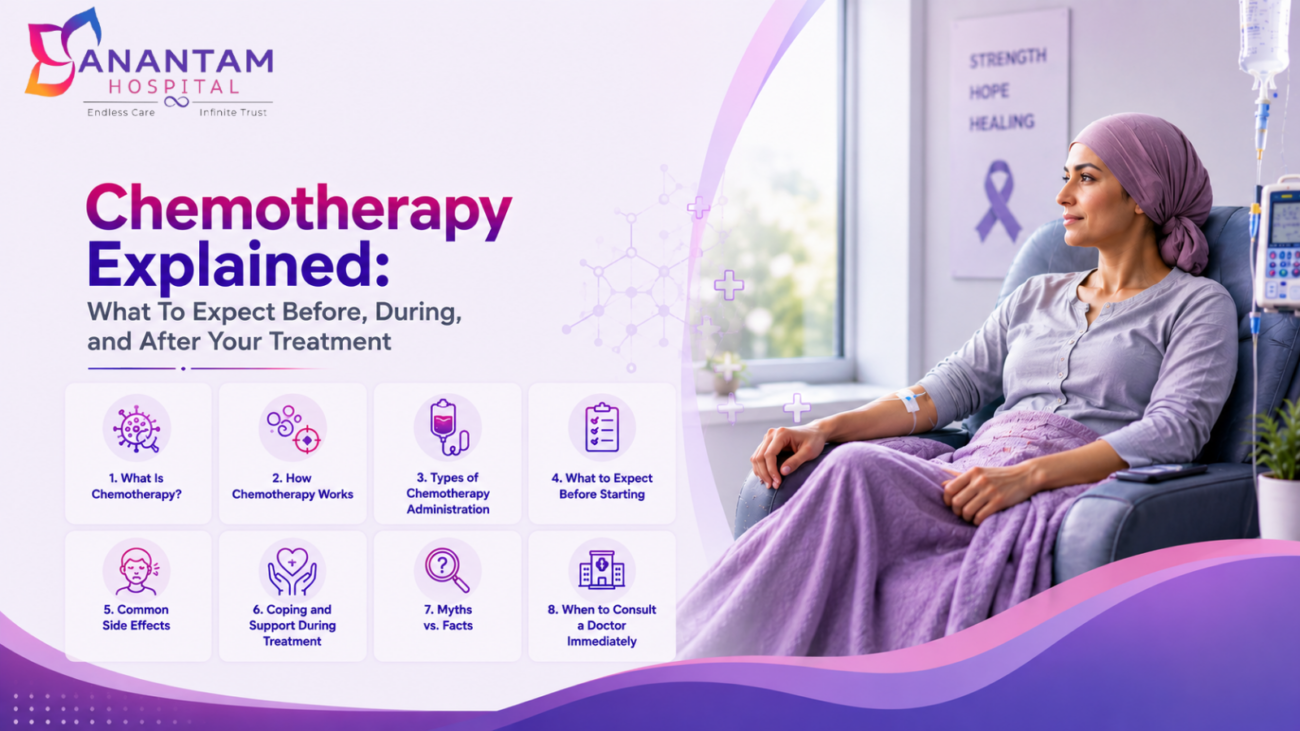
Finding out you or a close one has to go through chemotherapy may cause a lot of questions at once. Most of them are related to what actually will happen now.
This article provides a comprehensive overview of chemotherapy and will help to understand what to expect, how to cope with it and how this type of treatment may affect you.
What Is Chemotherapy?
The very definition of chemotherapy is using chemicals to eliminate cancerous cells or stop them from growing. In everyday conversation, this treatment is often shortened to the “chemo”. As a rule, it’s one of the treatment methods for cancer.
Sometimes it’s used alone, sometimes with other types of treatment such as surgery, radiation, etc.
How Does It Work?
Cancer cells tend to grow very fast, and chemotherapy targets precisely this property. However, there are some other cells in our body which grow equally fast, and they are affected by treatment. Those cells are hair follicles, blood cells and the mucosa of the gastrointestinal tract.
The most common ways of using this treatment are:
- Primary treatment. That is chemotherapy only.
- Neoadjuvant therapy. It’s used before surgery to reduce the size of the tumor and make it easier to operate.
- Adjuvant therapy. This is chemotherapy after surgery to kill the residual cancer cells not visible on the scan.
Knowing how the treatment works takes a lot of the uncertainty away.
How Is It Administered?
There are some different ways to administer chemotherapy to the patient, and each method has its advantages and disadvantages.
Here they are:
- Oral administration. The patient gets pills to take at home.
- Intravenous administration. It’s done at the hospital or specialized clinic. The medication is delivered intravenously.
- Injection. The medicine is injected directly into the muscle or under the skin of the patient.
The vast majority of treatments is conducted according to the cycle scheme.
Pre-treatment Tests and What You Can Expect Before Chemotherapy
Before starting your treatment, you will have to undergo a number of tests in order to get a full picture of your health condition. They are blood tests, scans, general examination and others.
After that, the specialists design the personalized chemotherapy plan for you including the necessary drugs, dosages and frequency of treatments. Each person and each case of cancer is unique, and so is the treatment plan.
Possible Side Effects of Chemo
This is the part where the majority of people have doubts. Let’s be honest about it.
Here they are:
- Fatigue that can vary from mild to severe
- Nausea that is now usually managed with anti-nausea medication
- Hair loss, but not all of the chemo drugs cause hair loss
- Changes in appetite and taste and others
The thing is that side effects differ a lot depending on the specific type of drugs and the response of your body. Some people have mild symptoms, some – more serious.
Coping with Chemotherapy
Going through this type of treatment involves not only coping with it itself but also with the impact it makes on your everyday life.
Some useful tips are as follows:
- Stay hydrated and eat light meals even when you don’t feel hungry;
- Take breaks and get enough sleep whenever you need it, because fatigue is a normal part of treatment;
- Go to your follow-ups because the plan of your treatment is adjusted depending on your condition;
- Rely on the support of your family members, friends or support group;
- Communicate your feelings both physical and psychological.
The truth is cancer treatment not only impacts the patient, but it impacts the whole family. That’s the emotional burden which needs to be addressed as well.
Chemo Myths
There are many myths related to chemotherapy. Here are some of them debunked.
- Myth: Chemo means that you will feel severely ill.
Fact: This is not necessarily true because severity of symptoms differs from one drug type and individual to another. - Myth: You will certainly lose your hair.
Fact: Not all of the chemo drugs cause hair loss, and it depends on your particular drugs. - Myth: You won’t be able to work during this period of your life.
Fact: Yes, there are people who can continue working while undergoing chemo.
Warning Signs to Seek Immediate Medical Help
Most of the side effects can be managed at home. However, there are some signs when you should immediately contact your doctor. Here they are:
- High fever and signs of infection
- Severe vomiting and inability to keep fluids
- Bleeding or unexplained bruising
- Sudden severe weakness and confusion
This is the symptom list that should not be ignored, especially during active treatment period when your immunity is vulnerable.
Conclusion
Chemotherapy is a scary process for a lot of people. But when you understand how this type of treatment works, what to expect and how to cope with the journey, everything becomes less frightening. Every chemotherapy treatment plan is different, and that is why personalized treatment and communication with your doctor are so important.
If you or your loved one is facing a cancer diagnosis and thinking about the treatment options, you are not alone. Anantam Hospital, one of the best multispeciality hospitals in Kalyan with 24/7 emergency care provides you with professional Oncology consultations for chemotherapy and other treatment steps.

