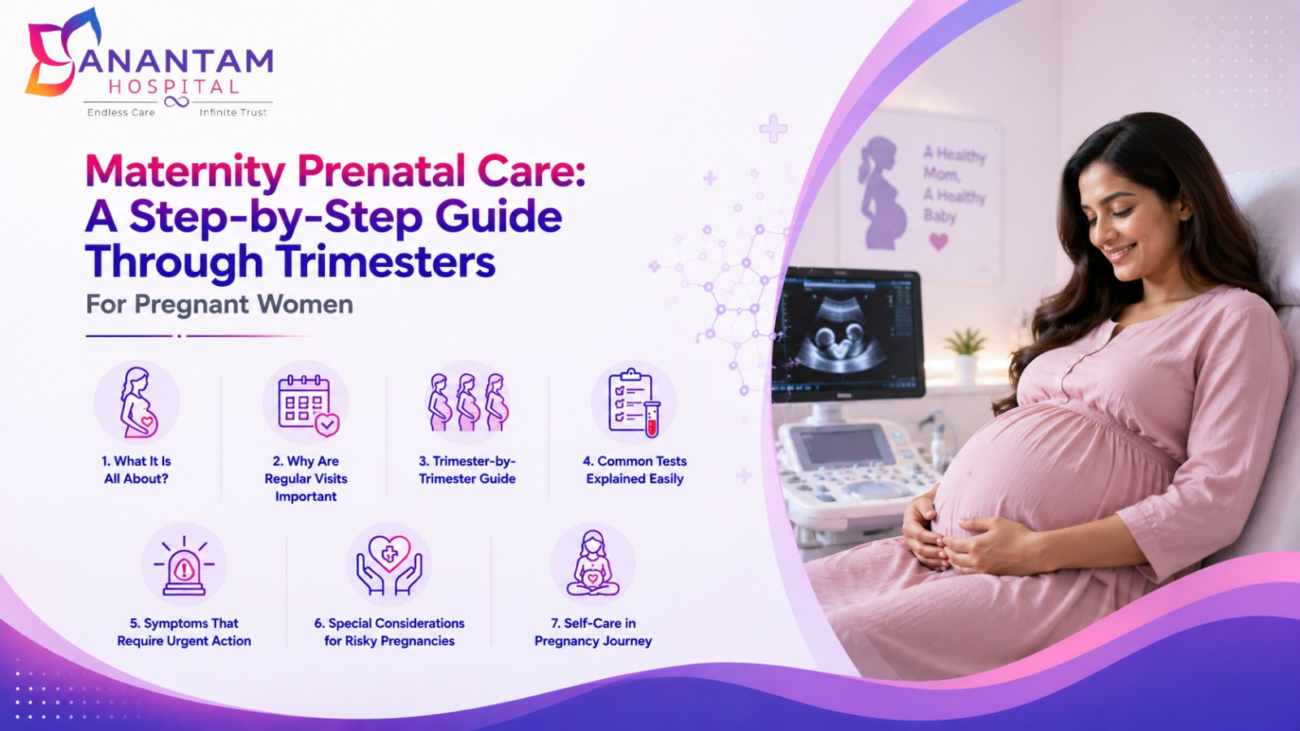
Discovering one is pregnant is an incredibly exciting but also scary experience. However, there is no need to worry because maternity prenatal care can help expectant mothers navigate the experience easily.
What Maternity Prenatal Care Is All About
This approach will ensure that a woman receives the right care during her pregnancy at all times. Maternity prenatal care provides comprehensive information on what needs to be done at every stage.
Why Are Regular Visits To Your Doctor Important
Checkups provide an opportunity to detect problems at early stages. That is why they play a very important role in maternity prenatal care.
Every trimester has its own priorities and tests.
First Trimester: Proper Start is Half Done
In fact, this period determines whether future nine months of pregnancy will be easy or challenging.
What happens in this trimester:
- Blood tests for confirmation and initial ultrasound
- Introduction of folic acid and other prenatal vitamins and supplements
- Risk assessment based on the examination of personal and medical history
- Basic blood tests for establishing blood group and hemoglobin level; checking if there are any infections
Morning sickness and fatigue can become serious problems during this period. Do not hesitate to discuss them with your doctor.
Second Trimester: The Comfortable Period
Usually this period is described by expectant mothers as the most comfortable. At the same time, many important tests take place during this period.
Tests include:
- Anomaly scan in 18-20 weeks
- Glucose test to rule out gestational diabetes
- Regular monitoring of the development of the fetus based on the measurements
- Constant measurement of blood pressure
This trimester gives enough opportunities to discuss with a doctor some concerns about pregnancy.
Third Trimester: Monitoring During Delivery
In this trimester checkups become more frequent: every two weeks until the last month, and then once a week. Third trimester is characterized by the closest monitoring.
Things to expect:
- Increased monitoring for potential complications, including blood pressure and edema
- Checks on position, ensuring the baby will be born head-first
- Birth plans, discussing your preferences and what happens during delivery
- Final examinations, confirming that both mother and baby are prepared for birth
This period often seems the longest but frequent visits are made for precaution reasons.
Common Maternity Prenatal Care Tests Explained Easily
Most of the prenatal tests sound scary because you have no idea what they actually are checking.
- Ultrasound scans: checking on baby’s development and position
- Blood tests: checking for anemia, infections, and blood type compatibility
- Glucose tolerance test: checking for gestational diabetes
- NST (non-stress test): monitoring baby’s heart rate and movements
Symptoms That Require Urgent Action
In most cases, pregnancy progresses without problems but there are some symptoms that require an immediate visit to the hospital.
If you have the following signs, contact your physician immediately:
- Vaginal bleeding at any stage of pregnancy
- Headaches
- Face or hands swelling
- Decreased or ceased baby’s movements
- Severe abdominal pain
These are symptoms that can’t be tolerated.
Special Considerations for Risky Pregnancies
Some pregnancies require extra precautions due to certain risk factors.
- Age: under 18 years or above 35 years
- Medical history: diabetes, high blood pressure, thyroid problems, etc.
- Multiple pregnancies: twins or triplets
- Previous pregnancy problems
If your pregnancy involves one of the risks mentioned above, then your obstetrician will certainly suggest you visit your clinic more frequently.
Self-Care in Your Pregnancy Journey
Besides attending all prenatal appointments, you should pay attention to your daily activities as well.
- Consume a healthy diet consisting of iron-rich, calcium-rich and folic acid products
- Perform pregnancy-safe exercises if there are no restrictions in doing so
- Ensure enough rest as your body has extra work now
- Reduce your stress level by means of your favorite relaxing methods
- Keep yourself hydrated as the need for water rises as your pregnancy goes
Conclusion
Not every pregnancy is the same; however, regular prenatal care can ensure you will have a problem-free pregnancy from its beginning till the very end. Being aware of everything related to each stage of your pregnancy makes the entire journey much easier than it would be if you didn’t know anything about it. That is the main benefit of good maternity prenatal care.
If you are pregnant or plan on having a baby soon, do not hesitate to start your prenatal journey as soon as possible. Anantam Hospital, being a well-known best multispeciality hospital in Kalyan with 24/7 emergency services, offers special antenatal consultations of the Obstetrics & Gynaecology department.